From check in to first consultation: how a clinical spa day really starts
Your medical spa hotel daily programme schedule begins long before the first massage appears on the calendar. The most serious health-focused spa resorts treat arrival as a clinical intake, not a welcome drink, and that shift in design changes the entire day. Expect a calm reception floor where the front desk, medical office and spa coordination desk sit side by side rather than in separate silos.
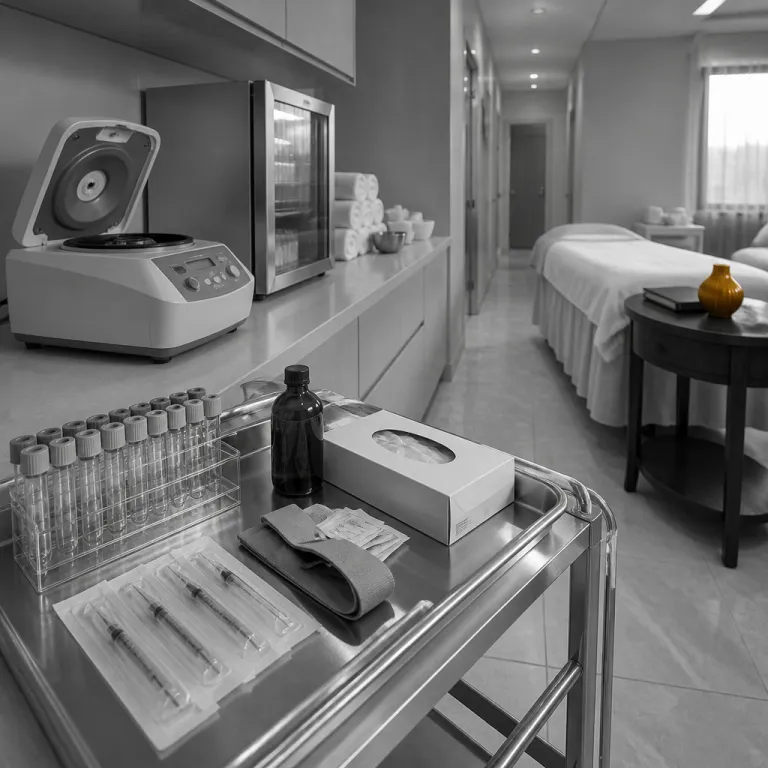
Within the first hour of your stay, a nurse or other licensed medical professional will usually record vital signs, take baseline measurements and, where appropriate, draw blood in a discreet treatment room close to the main spa. At Lanserhof Lans in Austria, for example, guests complete digital questionnaires that map health history, aesthetic treatment goals and weight management objectives into a preliminary wellness itinerary before they even change into a robe. This is where the team starts to translate your three main priorities — health, appearance and stress — into concrete plans for the day and for any three day or longer programme.
After this intake, you typically meet a board certified physician or supervising doctor who will review your data and refine the clinic-spa schedule into a personalised plan. This consultation often happens in a quiet office-style room rather than a typical salon cabin, underlining that you are in a medically supervised environment with real clinical oversight. One of the most common questions at this stage is practical; guests ask “What should I bring to a medical spa hotel?” and the answer from experienced teams is simple and consistent: “Comfortable clothing, swimwear and personal toiletries.” As one spa director in Switzerland puts it, “If you can move easily, sleep well and feel at ease at dinner, you packed correctly.”
Morning clinical blocks: diagnostics, IV therapy and structured treatments
Once the agenda is set, the morning becomes the engine of your medical spa hotel daily programme schedule. Cortisol is naturally higher earlier in the day, so serious wellness clinics reserve these hours for diagnostics, targeted therapies and focused consultations rather than leisurely spa rituals. You might move between a compact diagnostics floor, a medical treatment room and a more traditional spa area, but the choreography is deliberate and time efficient.
A typical sequence runs in three stages: first, medical assessments such as bloodwork review, body composition analysis and sometimes cardiometabolic testing; then clinician-led therapies like IV infusions or oxygen sessions; and finally shorter aesthetic procedures such as a clinical facial or targeted skin laser work. For example, an IV drip often lasts 30–60 minutes according to protocols used at destination clinics like SHA Wellness Clinic in Spain, while a focused facial may take 45–60 minutes. For couples, this is when one partner may follow a tightly timed treatment plan while the other uses the hotel pool, hot tub or steam room as a leisure guest, yet both still feel anchored in the same resort. If you are booking these blocks through a premium online platform, look for a system that shows the exact room type, the length of each treatment and the gap between appointments, as explained in our guide to seamless online premium spa appointment booking.
Operationally, this morning structure only works when the spa business has a robust back office plan that aligns medical staff, spa therapists and nutritionists on one shared schedule. The best integrated med spa teams run their day-to-day operations like a small clinic, with clear handovers documented between each professional. Guest feedback from these properties consistently highlights how reassuring it feels to have around three core treatments per day built into the stay rather than sold as last minute add ons, and how much smoother the day runs when everyone works from the same timetable.
Midday transition: from clinical intensity to restorative circuits
By late morning, the medical spa hotel daily programme schedule usually softens, shifting from needles and numbers to water and warmth. After a main meal of the day that has been aligned with your nutritional plan, couples often regroup and compare notes on their respective treatments while still respecting different energy levels. Nutritionists in these properties do more than count calories; they design meal plans that support detoxification, weight loss or muscle repair without leaving you light headed for the afternoon.
The early afternoon is where the spa side of the med spa comes into its own, with hydrotherapy circuits, thermal pools and carefully timed massage sessions that complement rather than replace the medical work. A well designed spa floor will place the steam room, hot tub and relaxation lounges close to treatment rooms so that you can move from a deep tissue massage to a short nap without crossing the entire hotel. A classic pattern might be a 60–90 minute massage, followed by 15–20 minutes in a warm pool and then quiet time in a darkened lounge. This is also the window for more indulgent spa services such as longer facial rituals, body scrubs or salon-style grooming, which are still integrated into your overall treatment plan rather than treated as random add ons.
For couples on a three day programme, this midday pattern repeats with subtle adjustments as the medical team refines your data and your body adapts. Some properties already start planning your next visit during these quieter hours, building what we call a return protocol that extends beyond a single stay. Our analysis of this approach in why the best medical spa hotels design your second visit before the first one ends shows how long term plans can transform a one off spa day into a structured health journey.
Afternoon and evening: review, recalibration and asymmetric stays for couples
Late afternoon in a medical spa hotel daily programme schedule is less about new treatments and more about integration. This is when you might join a gentle fitness class, a guided relaxation session or a short educational talk on skin health, weight loss strategies or stress management. The tools are simple — yoga mats, light fitness gear, perhaps a small salon-style space for hair or nail care — but the intent is to help your body and mind absorb the day.
As evening approaches, the physician or senior medical staff member often schedules a brief review to assess how your body responded to the day’s spa treatments and medical interventions. These debriefs can be surprisingly data rich, covering sleep quality, digestive comfort, skin reactions and emotional state, and they directly shape the next day’s plan. One of the most reassuring aspects for many guests is the clarity around insurance and medical boundaries; as the on site teams explain, “Are medical spa treatments covered by insurance? Coverage varies; consult your insurance provider.” A guest who recently completed a cardiometabolic assessment and IV protocol at a clinic-style resort in Germany described this review as “the moment when all the numbers finally made sense.”
Couples frequently ask whether one partner can follow a full med spa programme while the other treats the property as a classic luxury spa resort. The answer is yes, provided the hotel has enough resort-style facilities — pools, hot tubs, quiet lounges and grooming corners — to keep the leisure partner genuinely occupied. The key is transparent communication at the time you book, so that the medical spa coordination team can design parallel but different plans that respect both the clinical schedule and the shared moments you want to protect during your stay.
Designing your own programme: what to ask before you book
For a couple planning a stay, the most powerful tool is a clear view of the medical spa hotel daily programme schedule before you commit. Ask the hotel or resort to share a sample one day and three day itinerary that shows when medical assessments, spa treatments, meals and free time usually occur. This will help you understand whether the rhythm suits your body clock, your work obligations and your expectations of a romantic trip.
When reviewing options, pay attention to how the spa business describes its integration of medical and spa services rather than the size of the pool alone. A serious health resort will specify which treatments are overseen by board certified physicians, which are delivered by spa therapists and how nutritionists weave meal plans into the overall treatment plan. If a property in a destination like San Diego or another coastal city can explain exactly how many treatments fit into a safe spa day, how long you spend on each floor of the facility and how they separate medical rooms from relaxation areas, you are looking at a mature operation rather than a marketing exercise.
Finally, consider how the property handles advanced protocols such as IV infusions or regenerative therapies, which require precise timing within the day. Our in depth guide to NAD IV therapy at medical spa hotels explains why these treatments must sit within a structured schedule, not be bolted onto a random afternoon. When you book with this level of detail in mind, you transform a simple spa stay into a coherent health journey where every massage, facial and hydrotherapy session has a clear role in your broader medical and lifestyle goals.
FAQ
How many treatments fit into a typical medical spa hotel day?
Most integrated medical spa hotels build around three core treatments into a standard day, balancing medical assessments, targeted spa treatments and restorative sessions. This average allows enough time for diagnostics, a massage or facial and some hydrotherapy without overwhelming your body. Properties that push significantly beyond this number in a single day may be prioritising revenue over results.
Can I choose my own treatments or is everything prescribed?
Guests usually have considerable input, but the final treatment plan is shaped by medical assessments and physician guidance. As many properties explain to new visitors, “Can I choose my treatments? Yes, treatments are often customizable.” The most effective programmes blend your preferences with clinical priorities rather than treating the menu like a simple à la carte spa list.
What should couples ask when one partner wants a full medical programme?
Couples should request a sample medical spa hotel daily programme schedule and ask how the non clinical partner can use the spa, pool and leisure facilities during treatment blocks. Clarify whether you can share a room category that suits both of you and how meal times align with the medical schedule. A well organised property will propose parallel plans that protect shared evenings and key moments together.
How should I pack for a structured medical spa stay?
Pack lightweight, comfortable clothing for moving between the medical floor, spa areas and dining spaces, plus swimwear for pools, hot tubs and hydrotherapy circuits. Bring any personal medical documents, current prescriptions and basic toiletries, even if the hotel provides amenities. This keeps your focus on the programme rather than on small practical inconveniences during your stay.
Are medical spa hotels suitable for a first time spa guest?
They can be ideal for first timers who prefer structure and clear guidance over unstructured pampering. The presence of board certified physicians, nutritionists and trained spa therapists means your day is carefully planned and monitored. If you value measurable outcomes as much as relaxation, a medical spa hotel offers a more directed and reassuring experience than a conventional resort spa.