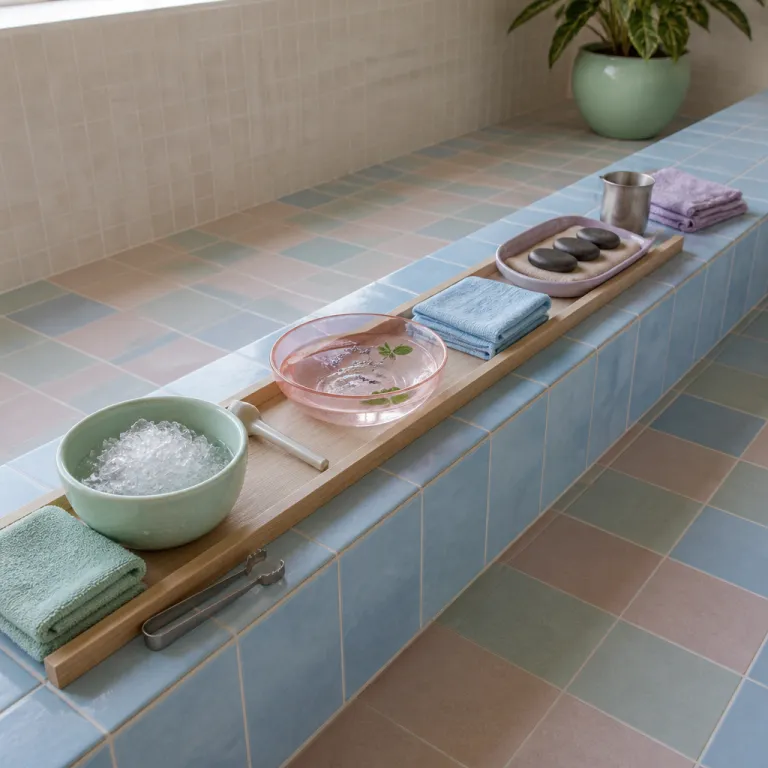
Why the thermal circuit is the real prescription at a medical spa hotel
In a serious thermal circuit medical spa hotel, the hydrotherapy journey is not a side activity but the backbone of the clinical programme. A physician or senior spa thermal specialist will usually map your circulation, inflammation profile and recovery needs before prescribing a specific sequence of heat, cold and rest. That is the moment when the thermal experience stops being a generic spa day and becomes a measurable intervention for your body and mind.
At its core, a thermal circuit is a structured progression through heat, cold and neutral phases that manipulate blood vessels through vasodilation and vasoconstriction. The heat phase, often in a dry sauna or aromatic steam room, opens peripheral vessels and drives blood toward the skin, while the cold plunge or cold pool snaps them back, pushing blood toward the core and improving vascular tone. Over 60 to 120 minutes, this alternation can support muscular recovery, reduce perceived pain and trigger a deep relaxation response that standard spa treatments rarely achieve. Small clinical trials on contrast hydrotherapy and sauna bathing, including pilot studies in sports medicine and cardiovascular rehabilitation, suggest benefits for muscle soreness and conditioning when protocols are applied cautiously and under guidance.
Medical spa hotels that take this seriously design their thermal baths and thermal suites around diagnostic spaces, not the other way around. You might move from a consultation room where a doctor reviews your bloodwork straight into a thermal spa zone with a Finnish sauna at around 80 °C, followed by a 10 °C cold plunge pool calibrated to hydrotherapy guidelines from organisations such as the International Sauna Association and national physiotherapy bodies. In a typical case, a guest recovering from endurance training might be prescribed two short sauna exposures, each followed by a brief cold immersion, with blood pressure and perceived exertion checked between rounds to document how the body adapts.
In this context, the spa experience is less about scented candles and more about controlled exposure to heat and cold. A well run thermal hotel will brief you on contraindications, from uncontrolled hypertension to pregnancy, before you even step into the first steam bath or thermal bath, and will document that screening in your medical file. For families, especially those travelling with older relatives or teens, that structured intake is the difference between a safe wellness stay and a risky experiment with extreme temperatures.
The physiology of heat and cold: what your body actually does in the circuit
Every phase of a thermal circuit in a medical spa hotel has a clear physiological target. When you enter a sauna or herbal steam room, your core temperature rises gradually, your heart rate increases and blood vessels in the skin dilate to shed excess heat. That vasodilation is why a 10 to 15 minute heat phase in a thermal suite can ease muscle stiffness and prepare joints for more intensive spa treatment or physiotherapy, a pattern echoed in small trials on heat therapy for musculoskeletal pain.
The cold phase reverses the process in seconds, and that shock is the point rather than a gimmick. A plunge into a 10 °C cold pool or a brief walk through a cold mist corridor triggers vasoconstriction, pushing blood back toward vital organs and encouraging a powerful pump effect when you later return to heat. Over several cycles, this hot cold alternation can support lymphatic flow, reduce post exercise soreness and modulate inflammation markers that drive chronic discomfort. Reviews in sports medicine and rehabilitation journals describe contrast water therapy as a promising, though still evolving, tool for recovery when combined with appropriate exercise and medical oversight, while cardiology position papers emphasise cautious use in people with heart disease.
Medical grade thermal spas now integrate these responses into broader recovery protocols that go far beyond a simple bath. At properties influenced by what some clinicians call a Deep Recovery model—a framework that layers hydrotherapy with light, sound and movement therapies—you may see 38 °C hydrotherapy pools paired with 630 nm red light panels and carefully tuned acoustic frequencies in the relaxation room to deepen parasympathetic activation. Wavelengths around 630 nm fall within the red light spectrum often used in low level light therapy research, where early data suggest potential benefits for tissue repair and sleep regulation when exposure is timed and dosed carefully.
For travellers used to classic wellness hotels, the precision can feel almost clinical at first. Yet when a doctor explains how alternating heat, cold and rest can support vascular function, reduce muscle soreness and enhance mental clarity, the logic of the thermal circuit becomes hard to ignore. If you want to understand how such protocols fit into a broader results focused medical spa stay, look for properties that publish their methodology as transparently as the best longevity clinics do and study a detailed guide to a results focused medical spa stay before you book.
Inside a well designed thermal circuit: sequence, timing and architecture
A well designed thermal circuit medical spa hotel does not leave you wandering between pools and saunas without a plan. The architecture itself nudges you through a sequence that usually starts with a warm shower, moves into moderate heat, then progresses toward more intense thermal suites before introducing cold immersion and structured rest. The goal is to build physiological stress gradually, then release it in carefully timed waves so the cardiovascular system is challenged but not overwhelmed.
Most medical spa hotels that specialise in thermal baths work with a four phase model. You begin with a warm up in a tepidarium or mild sauna at around 50 to 60 °C, then move into a hotter Finnish sauna or herbal steam bath closer to 80 °C for 10 to 15 minutes, followed by a 10 °C cold plunge or cold shower for 30 to 60 seconds, and finally a 10 to 15 minute rest in a quiet room. That full thermal circuit may be repeated two or three times, with therapists adjusting duration based on your cardiovascular response and subjective comfort, in line with conservative recommendations from cardiology and sports medicine societies that favour shorter, supervised exposures over extreme self experimentation.
Design matters as much as temperature in these thermal spas, and the best properties treat spa design as a clinical tool. Some longevity focused luxury spas, for example, integrate Finnish and herbal saunas, steam rooms, Turkish baths and cryotherapy based therapies into a coherent thermal suite that sits beside diagnostic spaces rather than in a separate leisure wing. In other destinations, biophilic architecture brings irrigated greenery and natural light into the thermal spa, softening the transition between hot springs inspired pools, steam rooms and rest lounges while still supporting observation, emergency access and safety checks.
Families travelling to destinations such as Mallorca will notice that newer thermal hotel projects carve out separate circuits for adults and children. A child friendly thermal experience might use lower heat, shorter cycles and playful water features, while adults follow a stricter sequence of saunas, steam baths and hot cold immersions. If you are considering pairing such hydrotherapy with more intensive protocols such as NAD IV therapy, consult a detailed overview of serious NAD IV therapy programmes at medical spa hotels and discuss timing with the on site medical team, as cardiology and infusion medicine guidelines generally recommend spacing vigorous heat exposure and intravenous treatments to avoid undue circulatory stress.
Where thermal circuits excel: European traditions, Asian precision and family stays
Across Europe, the thermal circuit is woven into daily life rather than reserved for rare wellness escapes. In Central European thermal baths, you will see locals moving methodically between hot pools, cold plunge basins and steam rooms with the same ease that others navigate a gym floor. Medical spa hotels in these regions often sit on natural hot springs, using mineral rich water in both communal baths and targeted spa treatments for joints, skin and respiratory conditions, a practice reflected in balneotherapy studies from countries such as Germany, Hungary and Italy.
Italy’s lakes region, parts of Germany and the spa towns of Central Europe have refined the thermal spa into a hybrid of clinic and social club. A typical day might include a physician consultation in the morning, followed by a prescribed sequence of thermal circuits, mud packs and supervised exercise in a dedicated pool, with families reconvening in the afternoon for gentler wellness activities. Properties in Mallorca and along the Mediterranean increasingly borrow this model, pairing sea facing hot tubs and thermal suites with diagnostic labs and nutrition consults that appeal to health conscious parents who want both medical oversight and holiday ease.
Asian traditions bring a different precision to the thermal experience, especially in Japan and Korea. Onsen culture, with its emphasis on ritualised bathing and respect for water temperature, aligns naturally with the medical spa hotel approach where each bath and each room has a defined therapeutic purpose. In high end Korean jjimjilbang inspired facilities, you may move from a charcoal lined sauna to a jade stone thermal suite, then into alternating hot and cold pools that echo the contrast therapy protocols of European clinics while preserving local bathing customs.
For families, the key is to choose a thermal hotel that can flex between clinical rigour and practical comfort. Look for clear signage on temperatures, supervised children’s pools and staff trained to guide first time guests through the spa experience without diluting medical standards. When in doubt, ask whether the property treats its thermal circuits as prescribed treatments or as optional leisure facilities, because that answer will tell you how seriously they take your long term wellness.
Safety, screening and how to use thermal circuits like a clinician
Using a thermal circuit medical spa hotel as a genuine health tool starts with honest screening. Before you step into the first sauna or steam room, a physician or senior therapist should review your cardiovascular history, medications and current symptoms, then decide whether full heat and cold exposure is appropriate. People with uncontrolled hypertension, unstable heart disease, acute infections or certain skin conditions may need modified protocols or should avoid extreme temperatures entirely, in line with cautions from cardiology associations and dermatology guidelines that flag sudden thermal stress as a potential trigger for adverse events.
Once cleared, you can treat each thermal circuit as a structured session rather than a casual wander between facilities. Aim for short, focused heat exposures of 10 to 15 minutes in a sauna or steam bath, followed by 30 to 60 seconds in a cold plunge or cold shower, then at least 10 minutes of rest in a neutral temperature room where you can hydrate and let your heart rate settle. Over a 60 to 120 minute period, that pattern of heat, cold and rest can be repeated two or three times, with therapists adjusting intensity based on how your body responds and documenting any symptoms such as dizziness, palpitations or unusual fatigue.
Hydration and pacing are non negotiable in any serious thermal spa. You should drink water before entering the thermal suite, sip between circuits and avoid alcohol, which can blunt your perception of heat and strain your cardiovascular system. For families, it is wise to keep children in milder pools and lower temperature thermal baths, skipping the hottest saunas and the coldest plunges unless a paediatric specialist has designed a specific spa treatment plan and confirmed that the child understands basic safety rules.
Therapists who guide you through these programmes are more than attendants handing out towels. In many medical spa hotels, spa therapists act as clinical guides who lead clients through thermal circuits, while clients engage in thermal therapies with clear objectives such as enhancing circulation, promoting relaxation and supporting recovery. If you want to understand how these protocols fit into a broader diagnostic stay, consult a detailed guide to what a first diagnostic stay at a medical spa hotel includes and how the programme is costed before you commit to a multi day package.
Design and ambiance: how architecture turns thermal circuits into family friendly rituals
The most compelling thermal circuit medical spa hotel properties treat design as a form of clinical choreography. Corridors curve gently from warm showers to saunas, then open onto pools and hot tubs with clear sightlines so families can stay visually connected while following different protocols. Lighting shifts from brighter, more social zones near the main pool to softer, cocooned spaces in the relaxation room where nervous systems can finally downshift and guests can integrate the effects of the thermal circuit.
Current spa design trends position thermal hydrotherapy as a medical grade offering, which means buildings must accommodate diagnostic equipment alongside hydrotherapy facilities. You might see a cardiology consultation room just steps from a thermal suite, or a small lab where blood markers are checked before and after a series of thermal circuits to track real outcomes such as changes in resting heart rate, perceived stress or sleep quality. Biophilic design can soften this clinical edge, using greenery and natural materials to frame hot and cold pools, steam rooms and thermal baths without losing the sense of precision.
For families, zoning is everything in a thermal spa. Adult only thermal circuits can include higher heat saunas, intense steam baths and very cold plunge pools, while family zones focus on moderate temperatures, playful water jets and shorter cycles that still introduce children to the rhythm of heat, cold and rest. In destinations such as Mallorca, where beach days compete with wellness time, this kind of layered design lets parents move between serious medical spa treatments and relaxed pool sessions without ever leaving the same hotel wing.
When you evaluate a potential thermal hotel online, look beyond the glossy images of pools and baths. Study the floor plans if available, check whether the thermal spa is adjacent to clinical spaces or hidden like a leisure annex, and ask how therapists guide guests through the thermal experience from arrival to final rest. A property that can answer those questions clearly is far more likely to deliver the kind of structured, evidence based spa experience that justifies travelling specifically for hydrotherapy.
FAQ
What is a thermal circuit in a medical spa hotel ?
A thermal circuit in a medical spa hotel is a prescribed sequence of hot, cold and rest phases that uses saunas, steam rooms, pools and showers to manipulate circulation and recovery. In clinical and spa medicine literature, it is typically defined as a structured alternation of heat and cold exposures designed to influence vascular tone, muscle relaxation and nervous system balance. In a serious medical setting, that sequence is tailored to your cardiovascular status, inflammation profile and treatment goals rather than left to chance, and may be documented in your treatment plan alongside other therapies.
How long should a full thermal circuit session last ?
Most medical spa hotels structure a full thermal circuit session to last between 60 and 120 minutes. That window allows for two or three cycles of heat, cold and rest, with each heat phase lasting around 10 to 15 minutes and each cold immersion 30 to 60 seconds, followed by at least 10 minutes of recovery. The exact duration is adjusted by therapists based on your age, fitness level and how your body responds during the first circuit, in line with conservative guidance from cardiology and sports medicine groups that favour gradual progression.
Are thermal circuits safe for everyone in the family ?
Thermal circuits are not automatically safe for every guest, which is why responsible properties insist on medical screening. People with uncontrolled high blood pressure, unstable heart disease, acute infections or certain skin conditions may need modified protocols or should avoid extreme heat and cold altogether. Children and older adults can often enjoy milder thermal experiences, but only within lower temperature pools and baths, shorter sessions and under close supervision, following advice from paediatric and geriatric specialists and the spa’s own medical director.
How should I prepare for a thermal spa session during my stay ?
Preparation for a thermal spa session starts with practical steps such as checking spa availability, bringing appropriate attire and staying well hydrated before you arrive. You should also avoid heavy meals and alcohol in the hours before your thermal circuit, as both can affect circulation and heat tolerance. If you have any chronic conditions or take regular medication, speak with your doctor and share that information with the medical spa team so they can adapt the sequence safely and decide whether additional monitoring is needed.
What types of methods and tools are used in modern thermal circuits ?
Modern thermal circuits use a mix of traditional methods such as sauna sessions, cold plunges and contrast showers, combined with newer tools like ice fountains, infrared cabins and cryotherapy chambers. Facilities may integrate hot tubs, cold pools and steam baths into a single thermal suite so therapists can build varied sequences for circulation, muscle recovery or stress relief. Some advanced programmes also pair hydrotherapy with technologies such as red light therapy or acoustic treatments to deepen the overall effect, always within protocols reviewed by the on site medical team and informed by emerging clinical studies.