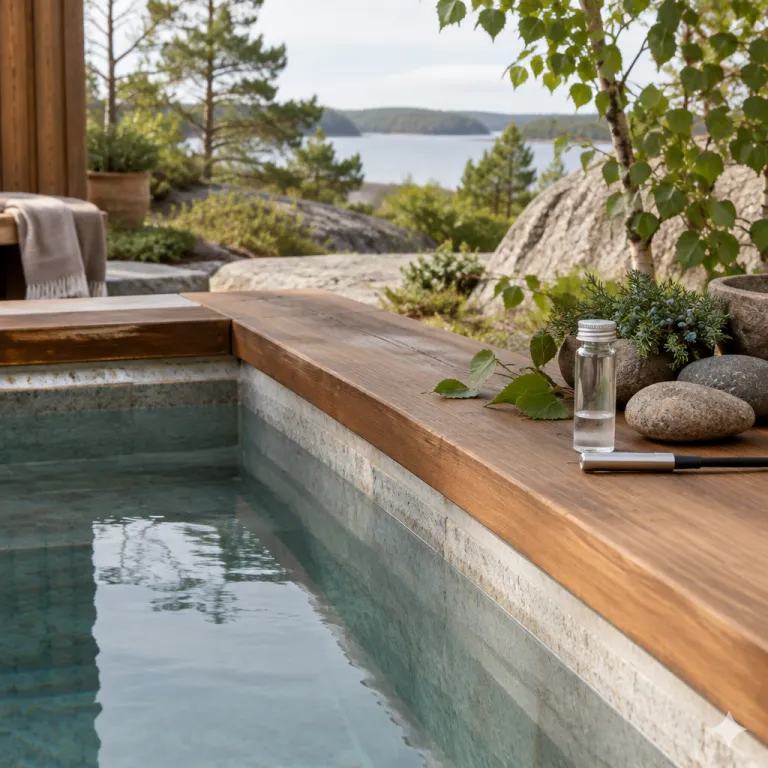
The Nordic medical spa hotel model: where diagnostics meet cold water
A Nordic medical spa hotel does not start with scented candles; it starts with data. These health-focused spa resorts in Sweden, Norway and Denmark use structured diagnostics to shape every wellness protocol, then layer in heat and cold exposure with clinical discipline. Guests arrive at these Nordic spa destinations for a curated programme, not a generic menu of treatments.
Across the region, physicians and medical directors review full body imaging, advanced biomarkers and stress markers before prescribing any hot–cold circuit. Typical assessments include high‑sensitivity C‑reactive protein (hs‑CRP) for inflammation, HbA1c and fasting glucose for metabolic health, lipid profiles, heart rate variability (HRV) and VO₂ max or cardiopulmonary exercise testing, sometimes combined with DEXA scans for body composition and bone density. This diagnostics‑first approach means the spa inside the hotel behaves more like a preventive clinic, using saunas, cold plunge pools and biofeedback tools to test how your body responds. In a 2022 narrative review of cold‑water immersion in the International Journal of Circumpolar Health, Huttunen and colleagues summarised 104 publications and concluded that evidence for lifespan extension is lacking, with most benefits “small and short‑term,” while a 2021 overview of spa diagnostics in the International Journal of Biometeorology by Bender et al. (covering 30+ clinical spa centres) noted that reliability “depends on clinic; best with physician oversight,” and a 2018 review of contrast hydrotherapy in the European Journal of Applied Physiology by Tipton and co‑authors reported that protocols are “generally safe with screening; risk for CVD patients,” based on pooled data from several hundred participants.
For travelers used to Mediterranean thalasso or Alpine hot springs resorts, the Nordic model feels stripped back and precise. You move between hot saunas, cold immersion pools and sometimes an outdoor pool under the northern lights, with staff tracking heart rate, HRV and recovery rather than simply offering relaxation. These medical spa hotels are popular with guests who want measurable outcomes, from reduced inflammation to a more resilient immune system, even if the long‑term longevity data remains uncertain.
Cold, light and public health: why the Nordics built a different spa culture
Nordic medical spa hotels grew out of a culture that treats public health as a shared responsibility. Long winters, limited daylight and a tradition of communal saunas shaped a wellness philosophy where cold, heat and light are everyday tools rather than occasional indulgences. In Sweden and its neighbours, the spa is as much about mental resilience and social connection as it is about pampering.
This background explains why many spa hotels in Sweden and along the Danish coast integrate seasonal light therapy, structured sauna experience sessions and supervised cold‑water immersion into their spa packages. You might move from a bright light treatment room to a series of saunas and then into cold pools, with staff explaining how these types of exposure can modulate mood, sleep and immune function. The same clinical mindset that underpins German thermal medicine, now seen in places like the new integrated medical spa in Bad Griesbach’s thermal triangle described on our page about medical spa development in Germany, is increasingly visible in Nordic spas.
For guests, this means a spa experience that feels both elemental and supervised. A day might include forest bathing in pine woods, a Swedish massage to soothe muscles after cold immersion, and time in hot saunas followed by brief cold plunges. These spa offers are not framed as miracles; they are presented as structured experiments, where your reactions are observed and your programme is adjusted rather than sold as a one‑size‑fits‑all cure. As one Norwegian physician, Dr. Ingrid Solheim of a coastal clinic near Tromsø, put it to a recent guest, “We are not promising to change your life in a weekend; we are teaching you how your body reacts so you can change your habits over time.”
From saunas to hot springs: what to expect from leading Nordic destinations
When you book a Nordic medical spa hotel, expect the landscape to be part of the treatment plan. Many of the most popular destinations sit beside lakes, fjords or the Baltic Sea, turning natural cold water into an extension of the spa. Some properties even use nearby hot springs or geothermal pools to create contrast therapy circuits that feel rooted in place.
In Swedish Lapland, for example, Arctic Bath on the Lule River and Treehotel’s partner wellness programmes might offer guided hot–cold rituals that alternate between wood‑fired saunas and ice holes cut into the water. Guests move in small groups, learning how different types of exposure affect circulation, recovery and perceived stress, while therapists monitor for safety. In coastal Denmark, beach hotels with integrated spas such as Kurhotel Skodsborg sometimes combine morning sea swims, heated outdoor pool sessions and Swedish massage, creating spa packages that link movement, temperature and touch.
Compared with Alpine medical spa hotels built around high‑altitude hot springs and diagnostics, as explored in our guide to medical spa hotels in the Alps, the Nordic approach is closer to everyday life. Locals use public saunas, plunge into cold water and walk forest trails year‑round, so luxury spa wellness resorts simply refine these rituals with better testing and more comfortable hotels. For travelers, that means the line between clinical protocol and local habit is pleasantly blurred, especially when you step from a design‑led spa into the snow and watch the northern lights between sessions.
Who thrives here: matching your profile to a Nordic medical spa stay
Nordic medical spa hotels are not for everyone, and that is part of their appeal. If you hate the cold, prefer long beach days and want only gentle pools, you may be happier in a warmer spa hotel elsewhere. These Nordic spa destinations suit travelers who are curious, cold‑tolerant and more interested in recovery metrics than in theatrical wellness.
Solo guests who train hard, travel frequently or work under pressure often find the structured spa wellness programmes particularly useful. A typical day might start with lab work or wearable data review, move into a guided sauna experience with hot and cold cycles, then end with a Swedish massage designed to soothe muscles after contrast therapy. Between sessions, you might join forest bathing walks, sit by an outdoor pool or, in coastal properties, walk along a quiet beach rather than lounge at crowded beach hotels.
These hotels also attract travelers who have already explored popular destinations such as Alpine clinics or North American integrated resorts and now want a different climate. Readers familiar with the diagnostic‑led model at places like the integrated medical wellness resort in Texas, profiled in our feature on integrated medical wellness in the United States, will recognise the same emphasis on testing before treatment. The difference in the Nordics is the central role of cold water, saunas and outdoor exposure, which shapes both the spa packages and the rhythm of each stay.
How to book wisely: safety, season and value in the far north
Booking a Nordic medical spa hotel requires more preparation than choosing a standard luxury resort. You are travelling further north, paying for diagnostics and exposing yourself to hot–cold protocols that demand proper screening. A careful pre‑stay checklist will protect both your health and your budget.
Start by confirming that the spa within the hotel has an on‑site medical director and clear safety protocols for saunas, cold plunges and any hot springs or pools. Ask which types of diagnostics are included in spa packages, how results are interpreted and whether follow‑up is offered after you leave, especially if you are using the stay to understand your immune system or cardiovascular risk. Clarify hygiene standards for cold immersion facilities, since contrast therapy circuits rely on repeated use of the same pools by many guests.
Season matters as much as the property. Winter brings the drama of the northern lights, frozen lakes and intense cold, which amplifies the spa experience but may limit daylight and beach walks, while late spring and early autumn offer milder temperatures and more flexible outdoor programmes. Look for transparent spa offers and special offers that spell out what is included, from Swedish massage sessions to guided forest bathing, and compare them with packages in other popular destinations to judge value rather than headline price alone.
FAQ
Does cold plunge therapy in Nordic spas really extend lifespan ?
Current evidence does not show that cold plunge therapy directly extends lifespan, even in highly structured Nordic spa programmes. Systematic reviews of cold‑water immersion and whole‑body cryotherapy report small short‑term benefits for circulation, mood and perceived recovery, but no proven long‑term longevity effect. In Nordic medical spa hotels, cold exposure is best viewed as one tool within a broader lifestyle and diagnostic strategy rather than a stand‑alone anti‑aging solution.
How safe are hot and cold contrast circuits for people with heart conditions ?
Contrast therapy using hot saunas and cold pools can stress the cardiovascular system, so anyone with known heart disease, uncontrolled hypertension or arrhythmia needs medical clearance before participating. The more serious Nordic medical spa hotels screen guests, adjust protocols and sometimes exclude high‑risk clients from intense hot–cold cycles. If you have any doubt, choose a property with on‑site physicians and share your medical history in advance.
What should I check before booking a diagnostic led Nordic spa package ?
Before committing to a diagnostic‑heavy stay, ask who interprets your tests, how results are shared and what follow‑up is available once you return home. Confirm that the spa located in the hotel partners with accredited laboratories and that a physician, not just a therapist, explains your biomarkers, including key measures such as hs‑CRP, HbA1c, lipid profile and HRV. You should also understand which elements are included in spa packages, from imaging to Swedish massage, so you can compare value across different hotels and destinations.
Is a week long stay enough to benefit from a Nordic medical spa programme ?
For most healthy guests, a stay of three to seven nights is sufficient to complete baseline diagnostics, experience structured sauna and cold‑water protocols, and learn practical routines to continue at home. Longer programmes may be useful if you are combining multiple assessments with supervised training or recovery work. The key is to choose a Nordic medical spa hotel that focuses on education and realistic goals rather than promising dramatic transformations in a few days.
How do Nordic medical spa hotels compare with Alpine or Mediterranean wellness resorts ?
Nordic properties lean heavily on cold exposure, saunas, light therapy and outdoor immersion, while Alpine resorts often centre on altitude and mineral‑rich hot springs, and Mediterranean spas focus more on thalassotherapy and sun. All three regions now integrate diagnostics to varying degrees, but current reports suggest that Nordic facilities place a particularly strong emphasis on structured hot–cold protocols. Your choice should depend on climate preference, medical needs and whether you are more drawn to snow and northern lights, mountain air or warm sea breezes.