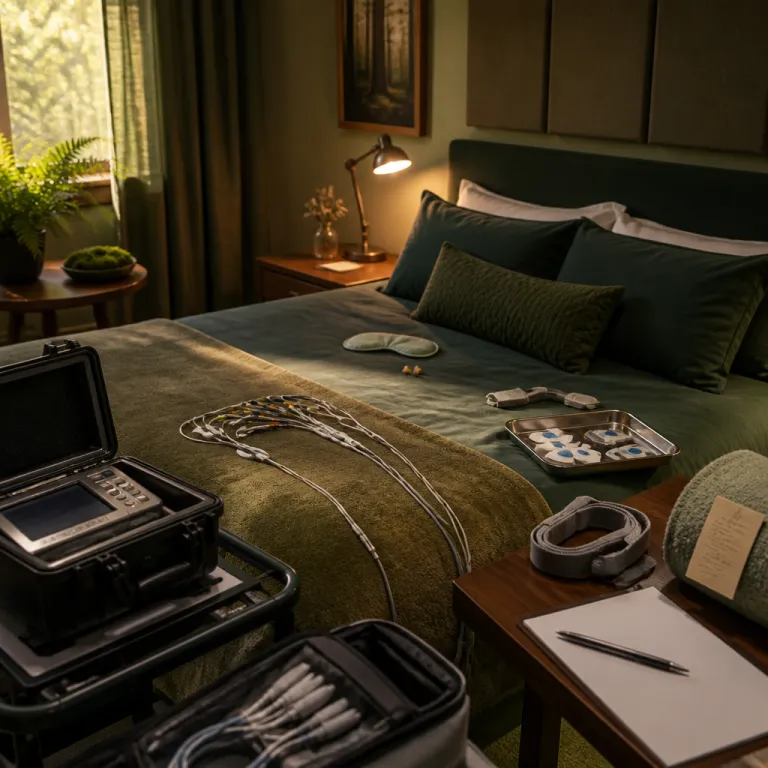
Why medical spa hotels are building real sleep laboratories
Sleep has moved from soft amenity to hard metric in luxury wellness travel. A small group of medical spa hotels now run genuine sleep laboratories where guests undergo overnight polysomnography rather than just aromatherapy before bed. For families planning a wellness retreat, this shift means your hotel choice will directly influence long term health outcomes, not only how pampered you feel for one night.
In these hotels, a sleep study is treated like any other clinical diagnostic, with a physician or sleep scientist reviewing data on sleep stage patterns, sleep wake cycles and potential sleep disorders. The best properties integrate a medical spa clinic with a sleep lab, so a guest with suspected sleep apnea can move from consultation to monitored night sleep without leaving the building. This is a different proposition from hotels sleep marketing that promises restorative sleep through pillows alone, because the focus is measurable performance and nervous system regulation.
Global wellness trends show travellers now expect evidence based programmes that help them sleep well and travel better. Industry analysts track a steady rise in wellness tourism, and sleep optimisation retreats are emerging as a distinct category within medical spa hotels. For premium families, that means you will increasingly compare spa hotels not only on pool size or kids’ menus, but on whether an on site clinic can run a full sleep study and coordinate follow up care for sleep apnea or other conditions.
From sleep themed marketing to science backed sleep lab programmes
Not every hotel sleep offer deserves to be called a medical spa hotel sleep laboratory. Many luxury hotels will dim the lights, add a lavender turndown and label it a sleep retreat, yet no sleep scientist ever reviews your data. A true clinical programme uses polysomnography equipment to track brainwaves, breathing, heart rate and every sleep stage across the night.
Equinox Hotels has become a reference point here, especially at Equinox Hotel New York, where the brand’s positioning around performance and health is backed by technology rather than slogans. Rooms are engineered as controlled environments, with temperature regulation, blackout design and smart bed systems that support the nervous system by stabilising core body temperature through the night. When equinox properties talk about helping guests sleep well, they connect that promise to measurable changes in sleep wake rhythms and next day performance, not just scented oils in the spa.
Other leaders include Park Hyatt Chicago, where Bryte Sleep Suites use an adaptive smart bed to respond to micro movements, and Four Seasons Hotel Westlake Village, which partners with CURE Medical to run in room sleep studies. These hotels show how a medical spa clinic can be layered into an existing luxury hotel without losing the sense of retreat. For travellers comparing options, this is where you separate cosmetic wellness from clinically anchored programmes, and where you start to see which hotels sleep offers justify a premium nightly rate for your family.
For readers tracking the broader evolution of wellness led hospitality, our guide to new medical spa openings rewriting the destination playbook shows how sleep laboratories are influencing future hotel design. These developments underline that a medical spa hotel sleep laboratory is no passing trend, but part of a structural shift in how luxury hotels define wellness and health.
Inside the room: circadian lighting, smart beds and nervous system resets
Step into a serious medical spa hotel sleep laboratory room and the difference is immediate. Circadian lighting systems shift colour temperature and intensity across the day to cue your sleep wake cycle, while acoustic design keeps urban noise from fragmenting each sleep stage. The goal is restorative sleep that supports immune function, cognitive performance and emotional balance for every guest, including jet lagged teenagers.
At Equinox Hotel New York, circadian aligned lighting and precise temperature control are standard, not upgrades reserved for a single flagship suite. The brand’s collaboration with experts such as Dr. Matthew Walker is part of a wider movement where hotels work with recognised sleep scientist teams rather than generic wellness consultants. When equinox hotels talk about performance, they mean quantifiable changes in heart rate variability, sleep disorders screening and next day training capacity, not vague relaxation.
Smart bed technology is another defining feature, from Bryte systems at Park Hyatt Chicago to other adaptive mattresses that redistribute pressure points through the night. For families, this matters because a child with undiagnosed sleep apnea or restless legs can finally complete a full sleep study in a comfortable hotel bed rather than a sterile clinic. If you are planning an off season wellness retreat, pairing a nervous system reset with a diagnostic programme can be especially effective, and our analysis of why autumn is the smartest season for a diagnostic stay explains how quieter hotels will support deeper night sleep.
How to evaluate a hotel’s sleep offer before you book
Before committing to a medical spa hotel sleep laboratory stay, interrogate the details with the same rigour you would apply to a medical clinic. Ask whether the property runs full polysomnography or only simplified screening, and whether a qualified sleep scientist or physician interprets the sleep study. Clarify if suspected sleep apnea or other sleep disorders can be formally diagnosed on site, or if the hotel will simply refer you elsewhere after your night sleep.
Families should also ask how the programme adapts to different ages, because adolescent sleep wake cycles and screen habits require tailored protocols. A credible hotel will explain how they help teens wind down, from blue light management to structured pre bed routines that support the nervous system rather than stimulate it. If the spa claims to optimise global wellness, you should hear clear links between sleep, cardiometabolic health and long term mental resilience, not only references to relaxation.
Cost transparency is another marker of seriousness, and most science backed programmes price a three to five night retreat between roughly 1 000 and 2 500 euros per person, excluding tests. That range usually covers consultations, at least one monitored sleep study, follow up interpretation and a personalised plan to help you sleep well at home. For families, check whether the hotel offers bundled rates for multiple guests undergoing sleep studies, and whether insurance will reimburse any part of the clinical component when sleep apnea or other diagnosable conditions are involved.
Family focused sleep programmes: from teen circadian chaos to multi generational health
Premium families now treat a medical spa hotel sleep laboratory stay as an investment in collective health rather than a solo indulgence. Parents arrive exhausted from work travel, children bring irregular sleep wake patterns and late night screen habits, and grandparents may already struggle with sleep disorders or early stage sleep apnea. A well designed programme meets each generation where they are, then uses diagnostics and coaching to align the whole household around restorative sleep.
Some hotels structure family retreats around shared education sessions led by a sleep scientist or physician, followed by individual sleep study nights staggered across the stay. Teens might wear actigraphy devices to track movement and sleep stage estimates, while adults undergo full polysomnography in a dedicated sleep lab suite. The spa and clinic teams then coordinate to design daytime activities that support the nervous system, from low intensity movement to hydrotherapy, rather than over scheduling guests with performance style workouts.
For families loyal to global luxury brands such as Ritz Carlton or long term favourites like a trusted hotel in New York or London, the key is to compare how seriously each property treats sleep. Some hotels sleep offers will remain at the level of pillow menus, while others integrate clinic grade diagnostics into their wellness retreats. When you find a property that can help every family member sleep well, you are not only buying a better night sleep, you are investing in future health trajectories across generations.
Where to book now: three benchmark medical spa hotels with sleep laboratories
Equinox Hotel New York has become the reference point for performance driven travellers who want a medical spa hotel sleep laboratory embedded in an urban flagship. The property’s rooms are engineered for quiet, dark and cool night sleep, while the spa and fitness floors support daytime nervous system regulation. With equinox hotels, the promise is that you will sleep well enough to train, work and travel at a higher level the next day.
Park Hyatt Chicago offers Bryte Sleep Suites that bring smart bed technology into a classic luxury hotel setting on the shores of Lake Michigan. Here, the adaptive mattress continuously adjusts firmness and temperature to maintain optimal comfort across every sleep stage, while circadian informed lighting supports a healthy sleep wake rhythm. For guests who want a softer entry into sleep science, this is an elegant way to test how technology can help without committing to a full clinic style sleep study on the first night.
Four Seasons Hotel Westlake Village, outside Los Angeles, integrates a serious medical spa clinic with CURE Medical, allowing guests to undergo in room sleep studies without sacrificing privacy or comfort. This property is particularly strong for multi day wellness retreats, where nutrition, movement and stress management programmes are aligned with sleep lab findings to support long term health. If you are planning a broader wellness journey that includes skin health and thermal circuits, our guide on whether the sauna is good for your skin during a luxury medical spa stay pairs well with a sleep focused itinerary.
Key figures shaping the rise of sleep laboratories in medical spa hotels
- Approximately 35 % of adults report insufficient sleep, according to data from the Centers for Disease Control and Prevention, which helps explain why demand for hotel based sleep study programmes and sleep labs has accelerated.
- The Global Wellness Institute has tracked around 6.5 % annual growth in the wellness tourism market, a trend that supports investment in medical spa hotel sleep laboratory infrastructure such as polysomnography suites and smart bed technology.
- Industry analysts now identify sleep optimisation holidays as one of the fastest growing segments within wellness travel, encouraging more luxury hotels to integrate clinic grade diagnostics for sleep disorders and sleep apnea.
- Urban properties offering 36 hour nervous system tune ups and 48 hour circadian resets report strong repeat bookings, suggesting that guests value short, intensive retreats that measurably improve night sleep and daytime performance.
FAQ about medical spa hotels with in house sleep laboratories
What is a sleep lab in a hotel ?
A hotel sleep lab offers rooms equipped with technology and programs designed to enhance sleep quality. In a medical spa hotel sleep laboratory, this usually includes polysomnography equipment, smart bed systems and clinical oversight from a sleep scientist or physician. Guests can undergo a full sleep study while enjoying the comfort and service standards of a luxury hotel.
How do adaptive mattresses and smart beds improve sleep ?
Adaptive mattresses adjust firmness and temperature to individual preferences, promoting better sleep. In a hotel context, a smart bed can respond to micro movements, reduce pressure points and maintain stable thermal conditions across each sleep stage. This helps the nervous system stay calm through the night, which is particularly valuable for travellers adjusting to new time zones.
Are hotel sleep programmes scientifically backed or mainly marketing ?
Yes, many are developed in collaboration with sleep experts and based on scientific research. The most credible medical spa hotel sleep laboratory programmes publish their clinical partners, such as universities, sleep clinics or named experts like Matthew Walker. Before booking, guests should ask whether the hotel runs full polysomnography, how sleep apnea is diagnosed and what kind of follow up support is offered after the stay.
Who should consider a medical spa hotel sleep laboratory stay ?
Travellers who struggle with chronic insomnia, suspected sleep apnea, jet lag or general fatigue can benefit from a structured sleep study in a hotel environment. Families may use a sleep focused retreat to address teen circadian disruption, while executives often seek performance gains through better night sleep. Anyone interested in long term health and global wellness, rather than short term pampering, will find these programmes particularly relevant.
How much does a sleep focused stay in a medical spa hotel cost ?
Prices vary by destination and programme depth, but a three to five night medical spa hotel sleep laboratory package in a luxury property typically starts around 1 000 euros per person and can exceed 2 500 euros when multiple sleep studies and specialist consultations are included. This usually covers diagnostics, interpretation and a personalised plan to help you sleep well after returning home. Guests should ask in advance whether any part of the clinical component is eligible for insurance reimbursement, especially when sleep disorders such as sleep apnea are formally diagnosed.