Slow longevity wellness for couples who are tired of chasing numbers
Slow longevity wellness is emerging as a quiet rebellion against hyper quantified health retreats. Instead of asking you to track every heartbeat and breath, certain luxury medical spa hotels now design stays where your long term health, longevity and life satisfaction matter more than dashboard screenshots. For couples booking a romantic escape, this means wellness that feels intimate and human while still grounded in medical science and preventive medicine.
Over optimisation in this space usually looks like relentless testing, constant performance exercises and training blocks that leave you wired rather than restored. Guests arrive hoping for help with strength, aging and stress, then leave with anxiety about every data point their body produced during the stay. Metric obsession in wellness hotels has been defined as an overemphasis on KPIs, diagnostics and optimisation over guest experience, and you can feel that shift the moment a consultation becomes a sales pitch for more tests or add on procedures.
The new wave of properties takes a different stance on health and wellness, especially for couples who want to live longer together without turning their vacation into a lab trial. Physicians still review your medical history, heart risk factors and existing health conditions, but they focus on a few key markers that genuinely change outcomes, such as blood pressure, fasting glucose, lipid profile and sleep quality. Large cohort studies, including work published in The Lancet and the New England Journal of Medicine, consistently link these indicators to cardiovascular events and mortality. The aim is to help you live better, not to chase every possible number across the years of life you still have.
What over optimisation looks like when your holiday becomes a lab
Walk into an over optimised clinic hotel and you will feel it before you see it. The main content of your stay becomes a sequence of scans, blood draws and performance tests, while the relaxation spaces feel like an afterthought you could almost skip; main pool, main terrace, main restaurant, all secondary to the next measurement. For couples, the romance of a shared wellness journey gets replaced by parallel appointments and printouts, each of you shuttled between cardiology, metabolism and fitness testing rooms.
In these environments, every exercise session is framed as data collection rather than joyful movement of the body. You might wear multiple devices during each exercise, track micro changes in blood pressure and heart rate, then receive a report that reads like a corporate KPI dashboard. What begins as a desire for healthy aging and anti aging strategies can slide into orthorexia, data fatigue and a constant fear that you are not doing enough to live longer, a pattern some psychologists now link to increased anxiety and reduced adherence to simple habits in studies on self tracking and perfectionism.
Restraint minded medical spa hotels still use diagnostics, but they treat them as tools rather than the entire trip. A physician may run targeted tests to understand your immune system, cardiovascular health and stress load, then translate those findings into easy ways to move the body and help stay active at home. In a well designed programme, you leave with clarity about a few key behaviours, not a binder of numbers you will never read again, and you might pair this with a focused skincare protocol such as a Corthe based facial regimen that supports long term skin health without endless product layering.
Designing slow longevity wellness programmes with fewer, better metrics
The most interesting luxury medical spa hotels now design slow longevity wellness programmes the way a good physician structures a long term care plan. They start with a clear philosophy about health, longevity and wellness, then choose a small set of measurements that genuinely predict how long and how well you might live. Everything else, from spa rituals to movement sessions, is built to support those priorities rather than to generate more data, echoing guidance from organisations such as the American College of Lifestyle Medicine and the European Society of Cardiology on focusing on modifiable risk factors.
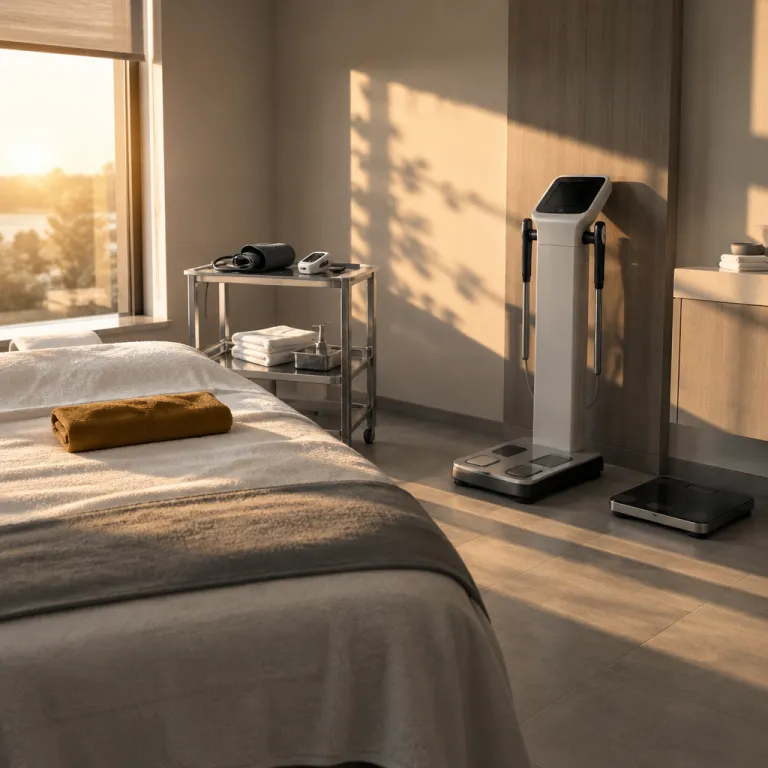
In practice, that might mean one comprehensive medical intake, a focused blood panel and a body composition scan instead of daily testing. A typical panel might include fasting glucose, HbA1c, lipid fractions, high sensitivity C reactive protein and vitamin D, which research links to cardiovascular and metabolic risk in large reviews from journals like Circulation. Clinicians then translate these results into a personalised mix of low impact exercises, strength training and nervous system regulation sessions that fit into a normal day back home. The goal is to help you find small, sustainable habits that add years of life and quality, not to create a regime you can only follow in a clinic.
Couples often appreciate how these programmes respect their ability to perform real world tasks, from carrying groceries with ease to hiking together without worrying about blood pressure spikes. Movement sessions emphasise functional fitness and joint friendly exercise that support living longer, rather than punishing workouts that leave you exhausted. Some properties pair this with thoughtful skin health protocols, such as a cucumber hydration toner ritual or a mandelic brightening serum sequence, treating the skin as another organ that reflects internal balance rather than a separate beauty project.
Nervous system first: when doing less is the most clinical choice
The nervous system first approach is not a spa cliché when it is done properly. In the best medical spa hotels, physicians recognise that chronic stress, poor sleep and constant alertness quietly erode health, longevity and the ability to live better together. They understand that no amount of high intensity training or advanced exercises will compensate if your body never feels safe enough to repair, a view supported by large sleep and stress studies from institutes such as Harvard Medical School and the American Academy of Sleep Medicine.
Programmes built around nervous system regulation use evidence based tools rather than vague relaxation promises. You might see heart rate variability used as a key marker, with clinicians adjusting movement, breath work and even meal timing to support recovery instead of constant activation. Reviews in journals like Frontiers in Physiology describe HRV as a non invasive window into autonomic balance, and many programmes consider a resting HRV trend that improves over several days, rather than a single high number, as a sign that your system is adapting. Guests learn easy ways to move the body, breathe and rest that help stay calm on busy days, which in turn supports healthy aging, lower blood pressure and a more resilient immune system.
This is where the paradox becomes clear: sometimes the most evidence based move is to measure less, not more. By focusing on a few signals that truly matter for living longer, such as sleep quality, stress response and functional strength, these clinics avoid overwhelming you with years of life projections that no one can interpret. As one expert summary from a European spa medicine conference puts it, “Overemphasis on KPIs, diagnostics, optimization over guest experience” is exactly what the new wave of properties is trying to avoid, and couples feel that difference in every quiet, unhurried hour of their stay.
How to spot disciplined minimalism versus simple cost cutting
Not every low tech spa stay is an example of slow longevity wellness done well. Some properties simply do less because advanced diagnostics are expensive, hoping guests will not notice the gap between the marketing language and the actual medical offer. Your task, as a couple investing in a premium stay, is to separate disciplined minimalism from bare bones wellness theatre by asking a few precise questions.
Start by asking how the clinic defines its health and longevity philosophy, and which metrics they consider key for adding years of life. A serious property will explain why they prioritise certain tests, how those relate to specific health conditions and what kind of follow up support you receive after check out. They should also be transparent about the balance between softcare experiences, such as massages and thermal circuits, and hardcare interventions like targeted exercise training or medical consultations, ideally led by physicians with internal medicine, cardiology or sports medicine backgrounds.
Pay attention to how they talk about daily life once you leave, because living longer and longer live projections mean little if you cannot integrate the advice. Do they offer practical guidance on movement, such as short sessions that fit into a work day and help you maintain strength for carrying groceries or playing with children, or do they simply hand you a generic fitness plan that ignores your current ability to perform tasks, your immune system status and your existing exercise habits, a red flag that the programme is more template than true longevity medicine.
Planning your stay: practical questions for couples who want to live better, not just longer
When you plan a medical spa escape as a couple, frame your goals around how you want to live better together, not just how long you want to live. Ask each other which parts of health and wellness feel most fragile right now; maybe one of you worries about heart health, while the other feels their strength fading during everyday movement. Those concerns should shape the programme more than any generic longevity promise or anti aging slogan.
Before booking, request sample schedules that show how a typical day unfolds, including time for rest, exercise and unstructured movement. A balanced day might include a morning medical review, a 30 minute strength session, a short HRV informed breath work class and a long, device free walk. For example, some European medical spa hotels now design days that start with a fasting blood pressure and glucose check, move into a supervised circuit of functional exercises and finish with contrast hydrotherapy and guided stretching. Look for programmes that weave in short, functional exercises you can repeat at home, rather than complex training blocks that only work in a controlled environment. The best clinics will help you find small, realistic changes that support healthy aging, from adjusting meal timing to adding micro sessions of walking that gently raise the heart rate without stressing blood pressure.
After your stay, the real test of value is whether you feel more confident in your ability to perform daily tasks and maintain an active life. If the clinic has done its job, you will leave with clarity about a few key behaviours that support living longer, not a sense that you must constantly monitor every signal your body produces. Those final thoughts, shared over a quiet dinner or a walk, often matter more than any report, because they shape how many good years of life you can realistically add together and how sustainable your new longevity habits will feel.
FAQ
How is a medical spa hotel different from a traditional wellness resort ?
A medical spa hotel combines hospitality with clinical oversight, offering physician led assessments, targeted diagnostics and evidence based treatments alongside spa facilities. Traditional wellness resorts usually focus on relaxation, fitness classes and nutrition without formal medical evaluation. For couples interested in slow longevity wellness, the medical structure provides clearer guidance on health conditions and long term risk factors, often including cardiometabolic screening and personalised movement prescriptions.
How can I tell if a programme is over optimised ?
Programmes are often over optimised when the schedule is dominated by tests, scans and performance assessments, with little time left for rest or unstructured movement. If every exercise session is framed as data collection and you feel pressure to track every metric, you are likely in a metrics obsessed environment. A balanced programme uses a few key measurements to guide simple, sustainable changes rather than overwhelming you with numbers, and it leaves space for shared experiences that feel like a holiday, not a hospital stay.
Are fewer diagnostics always better in a longevity focused stay ?
Fewer diagnostics are not automatically better, but targeted diagnostics are usually more useful than broad, unfocused testing. The most effective medical spa hotels choose tests that clearly relate to cardiovascular risk, metabolic health and healthy aging, then explain how results will change your daily habits. If a clinic cannot articulate why a test matters for your specific goals, it may be unnecessary or primarily revenue driven rather than part of a thoughtful longevity strategy.
What should couples ask before booking a medical spa hotel ?
Couples should ask how the property defines its health and longevity philosophy, which metrics it prioritises and how programmes are adapted to different fitness levels. It is also worth asking about follow up support, such as teleconsultations or personalised movement plans you can use at home. Finally, clarify how much unstructured time you will have together, because a meaningful stay balances clinical work with shared rest and gives you space to integrate what you learn.
Can a short stay really impact long term health and aging ?
A short stay can influence long term health if it helps you adopt a few realistic habits that fit into daily life. When clinicians focus on functional strength, nervous system regulation and simple movement routines, couples often maintain those practices for years. The key is leaving with clarity and confidence, not with a complex protocol that only works inside the hotel, and choosing a property that treats slow longevity as a long term partnership rather than a one off retreat.