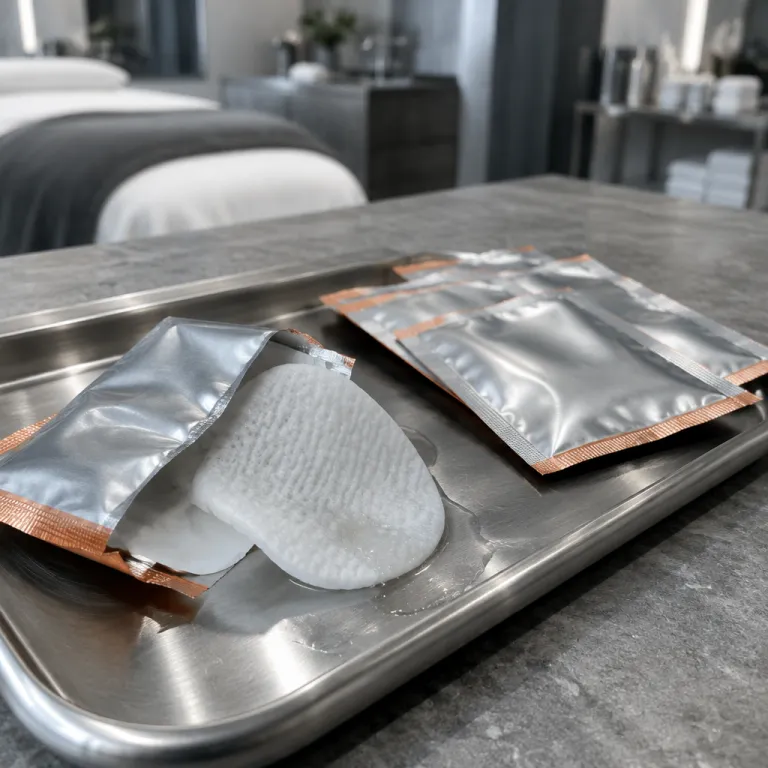
Why luxury medical spas now spotlight peel step PHA deep peeling pads
High end medical spas increasingly highlight the peel step PHA deep peeling pad as a signature amenity for guests who expect clinical results with hotel level comfort. In Seoul, leaders in dermatology focused hospitality now design entire facial protocols around this product title because it bridges gentle exfoliation and visible clarity for texture prone skin. For travellers comparing properties online, the presence of professional peeling pads in the spa menu has become a quiet but powerful title unit that signals serious skincare expertise.
Behind this trend sits Leaders Cosmetics, a South Korean brand whose leaders peel technology was developed for oily and combination skin that struggles with congestion and enlarged pores. Their peel step PHA deep peeling pad uses a triple acid system with PHA, LHA and a plant AHA complex, giving exfoliation support while maintaining a hydrating base that helps improve barrier comfort during a stay. According to the brand’s published product specifications, each pad is pre soaked in a controlled concentration of these acids, designed for at home use between professional visits. Luxury booking platforms now treat this example product as a benchmark when curating medical spa partners, because it offers deep peeling benefits without the downtime that would disrupt a short city break or wellness weekend.
For guests, the appeal is simple yet sophisticated, since a single pad can act as both a mild peeling toner and a targeted treatment for prone areas such as the T zone or jawline. The dual texture pad design allows one smooth side for all over swipe exfoliation support and a more textured side for deep work on blackhead prone areas that need extra care. When a booking website clearly explains how this step PHA treatment fits into a spa itinerary, travellers can better match their skin goals with the right property and avoid cart items that do not align with their routine.
How booking platforms present product title, unit price and clinical value
On a refined medical spa booking website, the way a peel step PHA deep peeling pad appears in the interface matters as much as the spa photos. Guests expect a clear product title, transparent unit price per treatment and precise information about how many pads or related items are included in a facial package. When the title unit is written with clinical accuracy yet remains easy to read, it reassures travellers that they are not just buying ambience but a medically guided peeling experience.
Consider an example where a Seoul medical spa lists a "Leaders Cosmetics peel step PHA deep peeling pad express facial" in its online menu. The description should specify that each pad contains PHA, LHA and plant derived AHAs, that the pad count per tub is seventy units with a total volume of two hundred fifteen millilitres and that therapists use one to two pads per guest depending on skin condition. These figures are based on the manufacturer’s publicly available SKU data and represent a typical configuration rather than a universal industry standard. By linking to complementary treatments such as a hydrating acai berry moisturiser ritual described in this luxury medical spa moisturiser experience guide, platforms help guests understand how exfoliation support and nourishment combine to improve appearance and maintain fresher radiance.
Pricing transparency extends beyond the treatment room, because travellers also want clarity on product price when they add retail peeling pads to their cart items before check out. A well designed booking engine will show the unit price per pad, estimated shipping cost to the hotel or to the guest home and any return policy for unopened items. A simple pricing table, for example listing standard retail price, bundled package price and per pad breakdown, allows guests to compare options at a glance. When the product card is optimised so that images, texture descriptions and example product usage steps load smoothly, it subtly reinforces trust in both the spa and the booking platform.
From consultation to checkout: integrating peel step into the guest journey
Luxury medical spas that work with advanced booking websites now map the entire guest journey around the peel step PHA deep peeling pad, from pre arrival questionnaires to post stay care. Before travellers confirm an order, many platforms invite them to share skin concerns such as texture prone areas, dullness or congestion so that therapists can decide whether a PHA deep formula suits their skin. This early dialogue ensures that the peel step is not a generic add on but a tailored step pha treatment aligned with medical guidance.
During the stay, therapists often begin with a detailed skin assessment, then choose between a quick pad swipe for light exfoliation support or a deeper protocol where peeling pads are left on specific prone areas for one to three minutes. For oily or combination skin, this targeted deep peeling helps improve the look of enlarged pores and uneven texture without the harshness of stronger acids that might compromise comfort during a holiday. Guests are usually advised that "Can sensitive skin use it?" and "How often to use?" and "Can you use with retinol?" are key questions, and the expert guidance is that sensitive skin is not ideal for this product, usage should be one to three times per week and it should not be combined with retinol on the same night.
After checkout, sophisticated platforms keep supporting guests by suggesting complementary content such as a guide on how a mandelic brightening serum can elevate a luxury medical spa stay, available through this mandelic serum spa enhancement article. They may also recommend non invasive aesthetic options, linking to resources like this overview of how cheek filler reshapes your face during a luxury medical spa stay for guests considering facial contouring. By weaving educational content around the peel step PHA deep peeling pad, booking sites transform a simple pad purchase into a structured skincare journey that extends well beyond the hotel room.
Technical anatomy of the peel step PHA deep peeling pad for travellers
Understanding the technical side of a peel step PHA deep peeling pad helps travellers judge whether a spa menu truly matches their expectations. Each pad is soaked in an essence that combines polyhydroxy acids, lipid hydroxy acids and plant based alpha hydroxy acids, creating a layered exfoliation support system that works on the surface while respecting the skin barrier. Published dermatology literature on PHA and LHA indicates that these molecules can provide effective yet relatively gentle exfoliation compared with some traditional acids, although individual responses still vary. For guests who plan to enjoy sunlit city walks or poolside relaxation, this balance between deep peeling and hydration is crucial because it reduces the risk of over processed skin during a short stay.
The dual texture pad design is another detail that matters when comparing example product options across different spas. One side offers a smoother texture that behaves like a gentle peeling toner, ideal for a first step pha sweep over the entire face, while the other side has a more pronounced texture that targets prone areas such as the nose, chin and jawline where blackheads and roughness often accumulate. When a booking website explains this texture logic clearly in the product title and description, guests can visualise how the treatment will feel and how it helps improve both clarity and fresher radiance.
From a practical standpoint, travellers should also note storage and usage guidance, especially if they plan to buy a full tub of seventy pads as part of their cart items. The lid must be sealed tightly, the tub stored upright and kept away from direct sunlight to preserve the integrity of the pha deep formula and maintain consistent unit performance from the first pad to the last. Clear instructions about avoiding use on very sensitive skin and not combining the product with retinol on the same night allow guests to integrate the peel step safely into their existing routines while away from home.
How booking engines handle stock, shipping and return for spa grade peeling pads
Behind every elegant spa listing that features a peel step PHA deep peeling pad lies a complex layer of inventory and logistics management on the booking website. Platforms must track how many units of Leaders Cosmetics peeling pads each partner spa holds, how many items are reserved for in room amenities and how many remain available as retail products for guests to order. When this flow of operational data is accurate, travellers can trust that the product they add to their cart items will actually be waiting at check in.
For international guests, clarity around shipping and return policies is just as important as the advertised product price. Some luxury booking sites allow travellers to pre purchase a tub of peeling pads at a preferential unit price and choose whether shipping should be to the spa, to their home address or split between both locations. Transparent timelines, such as estimated delivery windows and clear conditions for return of unopened items, help guests plan their skincare routine around their travel dates without unpleasant surprises.
Stock visibility also influences how spas design their treatment menus, because they need enough pads on hand to support both professional protocols and retail demand. When a spa runs low on a hero product like the peel step PHA deep peeling pad, a smart booking engine may temporarily limit retail orders while still protecting pre booked facials that rely on this step pha treatment. This behind the scenes coordination ensures that travellers who prioritise deep peeling and texture refinement in their stay can rely on the advertised services, rather than facing last minute substitutions that might not improve appearance or maintain the same level of fresher radiance.
Evaluating value: price, results and real world example stays
For travellers comparing luxury medical spas, evaluating the value of a peel step PHA deep peeling pad treatment involves more than scanning the headline price. A thoughtful booking website will show how many pads are used per facial, what complementary products such as hydrating masks or serums are included and how long the visible results typically last after the stay. When guests see that consistent use one to three times per week can refine texture and clear pores over three to six weeks, they can judge whether to invest in a full tub of seventy pads as part of their order. These timelines are illustrative averages drawn from brand guidance and clinician feedback rather than guaranteed outcomes for every user.
Consider an example stay in a Seoul medical spa hotel where the leaders peel protocol is integrated into a two night package. On the first evening, guests receive a consultation followed by a peel step treatment that focuses on texture prone areas, while the second day includes a lighter peeling toner style application combined with LED therapy to enhance fresher radiance. The booking platform might offer an optional add on where guests can purchase the same example product used in the cabin at a bundled unit price, with shipping either to their room or to their home so they can maintain results after departure.
Value also lies in education, because a well informed guest is more likely to use the peel step PHA deep peeling pad correctly and safely. Booking sites that provide clear routines, such as spacing applications, avoiding use on very sensitive skin and not combining with retinol on the same night, help improve both outcomes and satisfaction. When travellers return home with realistic expectations and a structured plan for their new peeling pads, they are more likely to experience smoother skin, refined pores and a lasting sense of fresher radiance that justifies the investment in a premium medical spa stay.
Key figures shaping peel step PHA deep peeling pad use in luxury medical spas
- Many Korean inspired medical spas now use multi acid peeling pads one to three times per week in their protocols, aligning with dermatologist guidance that strong exfoliants should not be applied daily to maintain barrier health.
- A standard retail tub of Leaders Cosmetics peel step PHA deep peeling pads contains seventy pads and two hundred fifteen millilitres of essence, which typically supports between one and two months of regular use depending on frequency.
- Visible improvements in texture, pore clarity and overall skin tone usually appear after three to six weeks of consistent use, which matches the duration of many post travel maintenance plans recommended by medical spa clinicians.
- Oily and combination skin types with congestion and texture issues represent a significant share of medical spa guests, making targeted exfoliation support with PHA based formulas a high demand category on luxury booking platforms.
FAQ about peel step PHA deep peeling pads in luxury medical spa stays
Can sensitive skin safely use a peel step PHA deep peeling pad during a stay ?
Guests with very sensitive skin are generally not ideal candidates for this product because the combination of PHA, LHA and plant AHAs can still provoke irritation. Medical spas usually reserve these pads for oily or combination skin with congestion, or for normal skin that tolerates acids well. A pre arrival consultation through the booking website helps determine whether a gentler option would be more appropriate.
How often should I use the peeling pads while travelling ?
Most clinicians recommend using the peel step PHA deep peeling pad one to three times per week, even during a short hotel stay. Overuse can compromise the skin barrier, especially when combined with sun exposure, air travel and climate changes. Many spas schedule one professional application during the stay and then provide guidance for continued use at home.
Can I combine the peel step PHA deep peeling pad with retinol or other actives ?
Combining strong exfoliants with retinol on the same night is usually discouraged because it increases the risk of redness, peeling and discomfort. Guests are often advised to alternate evenings, using the peeling pads on some nights and retinol on others, while maintaining a soothing moisturiser and high SPF during the day. This alternating pattern supports results while reducing the chance of over treated skin during and after the trip.
What should I look for on a booking website to judge product quality ?
When browsing a luxury medical spa booking platform, check that the product title clearly states the presence of PHA and other acids, that the unit price and pad count are transparent and that storage and usage instructions are provided. References to reputable brands such as Leaders Cosmetics and clear explanations of which skin types benefit most are strong indicators of quality. Detailed routine guidance and realistic timelines for visible results further signal that the spa takes both safety and efficacy seriously.
Is it better to book treatments that include peeling pads or to buy them as retail items ?
Booking at least one professional treatment that uses the peel step PHA deep peeling pad allows a therapist to assess your skin response and adjust contact time or frequency. After that initial session, purchasing a retail tub through the booking website or at the spa can be cost effective, especially when unit price discounts are offered for guests. Many travellers choose a combination approach, enjoying an in spa protocol during the stay and then maintaining results with at home use guided by the same medical team.