Where sustainable medical spa hotel design quietly begins
Invisible wellness starts long before a guest steps into a spa room. In the most forward thinking medical spa hotels, sustainable medical spa hotel design begins with the site, the architecture and the first draft of the floor plan. Architects, clinicians and engineers sit together to map how health, wellness and energy performance will coexist in every room and corridor.
Biophilic architecture is the backbone of this approach, using nature as a clinical tool rather than a decorative afterthought. Consultation suites open onto planted courtyards, while diagnostic areas use natural light and views to reduce anxiety and support measurable health outcomes. This is not about a themed wellness spa but about a medical spa where daylight, air flow and water management are prescribed as carefully as any treatment.
For travelers choosing a hotel spa today, sustainability is no longer a soft benefit. Data from hospitality analysts shows that a clear majority of guests now prefer hotels with eco friendly credentials when planning travel for health wellness retreats. That shift is pushing design hotels and resort spa properties to treat sustainable medical spa hotel design as a clinical necessity, not a marketing flourish.
Biophilic clinical spaces and the science of calm
Biophilic design in a wellness spa is most powerful when you barely notice it. A green wall in a consultation room, for example, softens acoustics, filters air and connects guests to nature while physicians review bloodwork or imaging. Research in hotel spa environments shows that such biophilic architecture can improve both guest wellness satisfaction and clinical outcomes.
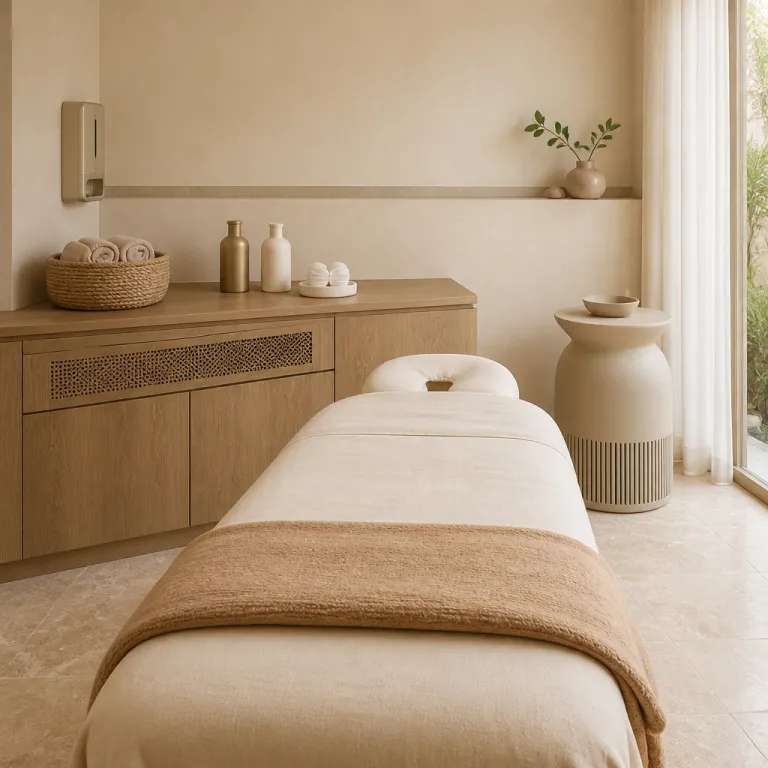
In advanced medical spa properties, spa interior concepts extend biophilia into treatment rooms, hydrotherapy zones and even circulation spaces. You might walk from your room along a corridor lined with natural stone, then enter a spa room where interior design layers warm timber, recycled metals and low VOC finishes. The result is a spa experience that feels quietly luxurious while the materials and design floor choices actively support respiratory health and nervous system regulation.
For a deeper dive into how biophilic architecture shapes clinical results, many travelers now consult specialist guides on biophilic architecture in medical spa hotels before they book. These resources explain why a pool deck with native planting, or a spa wellness garden with shaded paths, can be as important as the latest device led treatment. When sustainable medical spa hotel design is done well, guests feel held by the space, not lectured about sustainability.
Materials, air and water as clinical infrastructure
The most convincing sustainable medical spa hotel design treats air, water and materials as clinical infrastructure. Low VOC paints, adhesives and sealants are specified not to tick a green box but to protect lung function during long spa wellness programmes. Real time air quality monitoring is increasingly visible at reception desks, giving guests hard data on particulate levels, humidity and ventilation rates.
Floor plans in these hotels are drawn to separate high humidity areas, such as thermal suites and the pool hall, from dry consultation and diagnostic zones. Smart climate control systems then maintain precise temperatures and air changes to support specific health protocols, from sleep optimisation to post surgical recovery. Energy efficient systems reduce emissions while still delivering the stable interior conditions that physicians require for accurate assessments.
Water is another quiet hero of sustainable medical spa hotel design, especially in resort spa properties with extensive hydrotherapy circuits. Many hotels now use closed loop filtration, variable speed pumps and heat recovery to reduce water and energy use without compromising the spa experience. As one industry summary puts it, “By using renewable energy, conserving water, and sourcing local products.” medical spa hotels implement sustainability in ways that guests feel as comfort and reliability rather than restriction.
From floor plan to spa room: how luxury and sustainability align
Luxury in a medical spa hotel is increasingly defined by what you do not see. A carefully resolved floor plan keeps service routes, waste handling and technical rooms out of sight, leaving guests with a seamless sense of calm. Behind the scenes, however, design wellness teams coordinate laundry heat recovery, grey water reuse and renewable energy systems that power the entire hotel.
Inside each spa room, sustainable medical spa hotel design shows up as tactile, durable materials that age gracefully. Think responsibly sourced timber underfoot, stone basins that reduce the need for harsh cleaning chemicals and textiles chosen for both skin compatibility and low environmental impact. When these elements are combined with precise interior lighting and acoustic control, the result is a luxury spa environment where health wellness goals and eco friendly practice reinforce each other.
For solo travelers comparing hotels, it pays to read beyond the spa brochure and look at how the wider interior design supports clinical care. Articles on how the right medical spa chair elevates every luxury med spa stay, for example, reveal how ergonomics, adjustability and cleanable materials influence both comfort and infection control. The same thinking applies to design floor choices, where slip resistance, cleanability and acoustic performance matter as much as visual drama.
Choosing a medical spa hotel that walks the talk
Selecting a genuinely sustainable medical spa hotel starts with asking the right questions. Look for recognised certifications such as EarthCheck or Green Globe, and check whether the hotel publishes clear data on energy, water and waste performance. Partners like the Green Spa Network and the Sustainable Spa Association often highlight hotels and resort spa properties that integrate sustainability into every layer of operations.
Real world leaders show what this looks like in practice, from VAMED Vitality World’s Austrian wellness spa portfolio to The Malvern Spa in the United Kingdom and Ayres Hotels in the United States. These hotels use energy efficient lighting, low flow fixtures and, in some cases, solar panels while still delivering a refined spa experience. Their approach proves that sustainable medical spa hotel design can support both guest comfort and long term operational resilience.
When you plan your next travel for a medical spa stay, pay attention to how the hotel talks about its spa design and operations. Properties that explain their architecture, materials and health wellness protocols in detail are usually the ones taking sustainability seriously. Those that simply repeat lifestyle language about a boutique hotel ambience without specifics may be prioritising mood over measurable outcomes.
FAQ
How do medical spa hotels implement sustainability without compromising luxury ?
Medical spa hotels implement sustainability by integrating it into the earliest stages of design and architecture rather than adding it later as a constraint. They use high quality natural materials, efficient climate systems and thoughtful floor plans so that guests experience comfort, quiet and refined interiors while the building quietly reduces energy and water use. In practice, this means luxury spa environments where invisible wellness features, such as air quality monitoring and low VOC finishes, support both health and indulgence.
Why is sustainability important in a medical spa setting ?
Sustainability in a medical spa is directly linked to clinical quality and guest safety. Low emission materials, clean energy and advanced water treatment reduce exposure to irritants and support respiratory and skin health during intensive programmes. At the same time, efficient systems and durable materials help hotels maintain consistent standards over time, which is essential for reliable health wellness outcomes.
What certifications should I look for when booking a sustainable medical spa hotel ?
Travelers should look for internationally recognised certifications such as EarthCheck and Green Globe when assessing sustainable medical spa hotel design. These programmes audit energy use, water management, waste handling and community impact, providing an external check on a hotel’s claims. A property that holds such certifications and publishes clear sustainability data is more likely to align its spa wellness offer with genuine environmental responsibility.
How can I support eco friendly practices during my medical spa stay ?
Guests can support eco friendly operations by choosing hotels with transparent sustainability policies and then engaging with the programmes offered on site. Simple actions, such as reusing towels, respecting water saving requests and selecting locally sourced menus, reinforce the hotel’s efforts. Many properties also provide information on nearby nature based activities, allowing you to extend the principles of invisible wellness beyond the spa into your wider travel experience.
Do sustainable features really improve the spa experience and health outcomes ?
Evidence from hospitality and healthcare design suggests that sustainable features can enhance both subjective spa experience and measurable health indicators. Biophilic interiors, low VOC materials and stable thermal conditions have been linked to reduced stress, better sleep and improved recovery in clinical settings. When these elements are integrated into medical spa hotels, guests often report deeper relaxation and greater trust in the environment supporting their treatment plan.