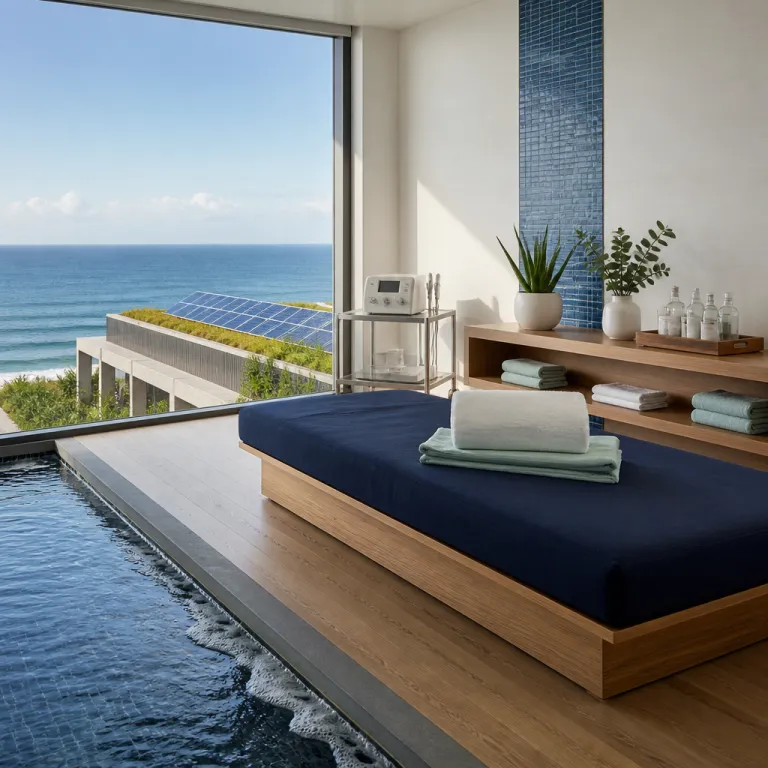
Why low carbon now matters in every medical spa treatment room
Luxury travelers choosing a sustainable luxury medical spa hotel are no longer satisfied with recycled towels and token gestures. They want clinical standards of medical care, measurable health outcomes and a spa experience that respects nature as rigorously as it respects the body. For families planning a wellness retreat, the question has shifted from whether a hotel spa feels relaxing to whether its health spa operations, medical spa diagnostics and resort spa facilities can deliver health wellness benefits without wasting energy or water.
Thermal circuits, vitality pools and hydrotherapy suites inside spa hotels are famously energy hungry. A serious low carbon wellness resort now treats every treatment room as a mini plant room, using heat recovery systems, smart ventilation and low flow fixtures to cut emissions while maintaining precise clinical temperatures. For example, industry benchmarking by the Global Wellness Institute suggests that optimised heat recovery can reduce energy use in wet spa zones by 20–30% compared with conventional layouts. When you read that a hotel spa offers long term wellness clinic programmes or luxury medical diagnostics, ask how those clinical spaces are powered, how the spa treatments are sequenced to minimise water use and whether the spa offers transparent reporting on its carbon footprint rather than relying on vague eco friendly language.
Families booking a spa retreat often prioritise mental health, sleep and immune resilience for both adults and children. The best spa hotels now integrate medical consultations, health screening and tailored spa treatments with low carbon design choices, from natural materials underfoot to biophilic walls that stabilise indoor air quality. Research summarised by the Global Wellness Institute notes that access to greenery and daylight can improve perceived stress scores by up to 15%, which is why serious medical wellness hotels now track both guest wellbeing outcomes and resource use. A genuinely sustainable medical wellness hotel will explain how its spa experience, medical protocols and wellness retreat itineraries protect both your body and the surrounding nature, not just during a single day but across repeated visits and long term programmes.
Inside the low carbon spa: energy, water and invisible engineering
Behind every serene spa experience lies a web of pumps, boilers and filtration systems that can quietly undermine a hotel’s green story. A new generation of eco conscious medical spa resorts is re engineering that back of house, using geothermal loops, solar thermal panels and lower carbon heating systems to warm water for hydrotherapy without the usual emissions. Hoar Cross Hall Hotel and Spa, for example, reports through its biomass facility that it has cut spa and resort energy related carbon emissions by an estimated 40–50% compared with its previous fossil fuel boilers, showing how clinical grade comfort and low carbon engineering can coexist.
Hydrotherapy circuits in spa hotels are especially demanding because water must be kept at tightly controlled temperatures for safety and therapeutic efficacy. Leading health spa properties now pair high efficiency heat pumps with energy recovery ventilation in wet zones, capturing warmth from steam rooms and reusing it to pre heat fresh air for treatment room corridors. Technical case studies shared at European spa energy forums indicate that this kind of energy recovery can save around 25% of heating demand in pool and sauna areas. At Cascada Hotel and Spa in Portland, biophilic centric interiors with hundreds of plants are irrigated by rainwater from a large on site cistern, so guests enjoy a lush spa retreat atmosphere while the hotel reduces mains water consumption in both public spaces and private spa treatments by roughly a third during peak season.
Many of the most advanced medical spa hotels hide this engineering deliberately, so the clinical spaces feel calm rather than technical. As one spa director put it in a recent internal sustainability review, “Guests should feel the benefits of the technology in the air they breathe and the water they touch, not in the machinery they see.” When a low carbon wellness destination explains its energy strategy as clearly as its menu of spa offers, and backs it with figures such as kilowatt hours per guest night or percentage of renewable energy, you can be confident that every wellness retreat, every day pass and every long term programme is supported by infrastructure that respects both your health and the wider environment.
From alpine herbs to marine mud: sustainable materials in medical spa design
The design of a sustainable luxury medical spa hotel now starts with the materials you cannot see as much as the ones you touch. Architects working on health spa and hotel spa projects increasingly specify reclaimed timber, lower carbon concrete mixes and natural insulation to reduce embodied carbon in every room and corridor. Life cycle assessments referenced by the Global Wellness Institute suggest that switching to high recycled content concrete and certified timber can cut structural embodied emissions by 20–30%. When you walk into a medical spa reception clad in warm wood and stone, you are often standing inside a structure where recycled materials and careful sourcing have been prioritised as highly as the clinical equipment.
The Global Wellness Institute has highlighted wellness architecture trends that weave environmental responsibility into clinical design, from daylight optimised treatment rooms to non toxic finishes in diagnostic suites. At Cascada Hotel and Spa, mass timber panels and biophilic planting create a resort spa atmosphere that feels rooted in nature while also locking away carbon for the long term. Lefay Resort & SPA Dolomiti takes a similar approach in the Dolomites, combining a best spa calibre hydrotherapy circuit with natural stone, responsibly harvested wood and a wellness retreat programme that foregrounds both physical health and mental health. Internal reporting from properties of this type often cites double digit reductions in operational energy use per square metre compared with older spa hotels built to less stringent standards.
Materials also matter at the level of each treatment, especially in a medical spa where products are applied directly to the body. Leading spa hotels now favour organic oils, locally harvested herbs and marine extracts that are traceable and produced with minimal environmental impact, rather than anonymous bulk products. Certification schemes such as COSMOS Organic or Ecocert give guests a quick way to verify sourcing claims. When you compare spa offers, look for language about regional botanicals, certified sourcing and health wellness benefits that are backed by clinical research, not just marketing adjectives about nature and purity.
Evidence based wellness: separating serious medical spas from wellness theatre
Not every property calling itself a sustainable luxury medical spa hotel is operating at the same clinical level. Serious health spa destinations combine physician led diagnostics, laboratory testing and structured programmes with a spa experience that supports recovery rather than distracting from it. The difference is obvious when a doctor reviews your bloodwork before prescribing a thermal circuit, instead of sending you straight from check in to a generic massage room. Industry surveys of wellness travelers show that more than 60% now prioritise evidence based therapies and medical oversight when choosing a wellness clinic or medical spa resort.
Clinique La Prairie in Switzerland and SHA Wellness Clinic in Spain are often cited as benchmarks for luxury medical programmes that integrate sustainability into both operations and treatment philosophy. At SHA Spain, nutrition plans rely heavily on seasonal produce, while the architecture of the wellness clinic maximises daylight and natural ventilation to support circadian rhythms and mental health. Publicly shared programme data from clinics of this calibre often report improvements in markers such as blood pressure, weight management or sleep quality over multi week stays. Families booking a wellness retreat there can expect long term lifestyle coaching, medical follow up and spa treatments that are sequenced around diagnostics, not the other way round.
Preferred Hotels’ Preferred Wellbeing designation now requires properties to meet criteria across five pillars, including environmental responsibility in spa hotels and resort spa facilities. That means a hotel spa seeking this label must show how its spa treatments, hydrotherapy pools and clinical spaces minimise waste and emissions while still delivering best spa level comfort. Typical requirements include documented energy efficiency measures, water saving fixtures and responsible product sourcing. When you evaluate a sustainable medical spa resort, ask whether its medical spa credentials are backed by partnerships with recognised wellness clinic operators, or whether the health wellness language is simply painted over a conventional spa retreat.
How to read between the lines of sustainability claims when booking
Marketing copy for a sustainable luxury medical spa hotel can be as soothing as any aromatherapy blend. Your task as a traveler is to translate those promises into concrete questions about energy, water, materials and clinical practice before you book. Start with the basics; ask how the hotel spa heats its pools, whether the health spa uses renewable energy and how often the medical spa reviews its protocols for both safety and environmental impact.
Look for third party certifications that cover the whole property, not just the spa treatments menu or a single wellness retreat package. Green building labels such as LEED, BREEAM or DGNB, renewable energy contracts verified by recognised schemes and transparent reporting on water use in spa hotels are stronger signals than vague references to nature or eco friendly design. When a resort spa publishes data on its biomass system, heat recovery ventilation or rainwater harvesting, even in the form of a simple annual sustainability report, you know that sustainability has reached the treatment room rather than stopping at the lobby.
Repeat guests at a sustainable luxury medical spa hotel should also pay attention to how programmes evolve over time. Serious properties design your second visit before the first one ends, using clinical data and health wellness outcomes to refine long term plans rather than simply upselling more spa offers. Reading a detailed return protocol, such as those analysed in specialist guides to the best spa hotels, can reveal whether a spa retreat is structured around measurable health gains or just a rotating carousel of treatments for the body with little regard for mental health or environmental impact. Over time, this kind of structured follow up is what turns a pleasant weekend away into a genuine wellness journey.
Planning a family stay at a sustainable medical spa hotel
For premium families, the ideal sustainable luxury medical spa hotel balances clinical rigour with genuine warmth. Parents may be pursuing medical diagnostics, physiotherapy or structured health wellness programmes, while children need space, nature and age appropriate activities that do not feel like a hospital. The best spa hotels manage this by zoning their properties carefully, separating quiet clinical corridors from family friendly pools and outdoor play areas.
When comparing spa hotels for a family trip, examine the layout of the hotel spa and health spa facilities as closely as the room categories. A thoughtful design will place high intensity hydrotherapy and adult only spa treatments away from family suites, while still allowing easy access to nature trails, fresh air and daylight for everyone. Properties like Preidlhof Luxury DolceVita Resort and Velvet Spa at Ambiente show how a wellness retreat can feel intimate and restorative for adults, yet still offer enough flexibility for a multi generational spa experience. Internal guest feedback from similar resorts often highlights that clear zoning and outdoor access are among the top factors driving repeat family bookings.
Families planning long term health goals should prioritise medical spa hotels that integrate paediatric aware practitioners, nutrition advice and mental health support into their wellness clinic teams. Ask whether the resort spa offers tailored spa offers for teenagers, movement classes suitable for different ages and clinical staff trained to work with family dynamics rather than just individual guests. A truly sustainable luxury medical spa hotel will see your stay as the start of an ongoing spa retreat journey, where each day in the treatment room contributes to healthier habits and a lighter footprint at home, supported by follow up consultations or digital coaching once you leave.
Key figures shaping low carbon medical spa hotels
- Recent sustainable travel surveys indicate that a clear majority of travelers now actively seek environmentally responsible accommodations, which means demand for every sustainable luxury medical spa hotel is rising faster than for conventional spa hotels. Global polling by major booking platforms regularly reports that around 70–80% of respondents prefer to book properties with visible sustainability credentials.
- Industry case studies show that properties implementing biomass or other renewable heating systems, such as Hoar Cross Hall Hotel and Spa, can achieve substantial reductions in carbon emissions from their hotel spa operations compared with traditional fossil fuel boilers. Reported savings in similar European spa resorts range from 30–60% of heating related emissions, depending on fuel type and system design.
- Wellness architecture research from organisations such as the Global Wellness Institute suggests that integrating environmental responsibility into clinical design can significantly improve perceived spa experience quality, especially in hydrotherapy and treatment room areas. Studies cited by the Institute link access to daylight, natural materials and good air quality with higher guest satisfaction scores and longer average stays.
- Rainwater harvesting systems like the large cistern at Cascada Hotel and Spa demonstrate how a resort spa can irrigate extensive biophilic interiors while cutting potable water use for spa treatments and public spaces. Technical summaries from green building councils indicate that well designed rainwater systems can reduce mains water demand for non potable uses by 30–50% in suitable climates.
- Industry surveys suggest that guests staying at a sustainable luxury medical spa hotel are more likely to book long term wellness retreat programmes when they see transparent reporting on energy, water and materials use. In some wellness travel reports, properties that publish annual sustainability data report repeat booking rates several percentage points higher than comparable spa hotels without such disclosure.
FAQ about low carbon luxury medical spa hotels
What defines a low carbon luxury medical spa hotel ?
What defines a low carbon luxury spa hotel? Hotels offering luxury experiences with minimal environmental impact. In practice, that means renewable energy for pools and treatment rooms, low impact materials in clinical spaces and spa treatments designed to protect both your health and the surrounding nature, often verified through recognised green building or wellness certifications.
How do these hotels reduce their carbon footprint in spa areas ?
How do these hotels reduce their carbon footprint? By using renewable energy, sustainable materials, and eco friendly practices. In a serious sustainable luxury medical spa hotel, you will often find biomass boilers, geothermal loops, rainwater systems and carefully sequenced hydrotherapy circuits that minimise wasted heat and water, supported by regular monitoring of energy use per guest.
Are treatments in these medical spas different from traditional ones ?
Are treatments in these spas different from traditional ones? They often use organic products and sustainable methods. Many medical spa hotels also integrate diagnostics, mental health support and long term coaching into their spa experience, so each treatment for the body is part of a wider health wellness strategy that can be tracked over multiple visits.
Do eco friendly practices reduce the sense of luxury for guests ?
Do eco friendly practices affect the quality of luxury? No, they enhance the experience by promoting wellness and sustainability. Guests at a sustainable luxury medical spa hotel usually enjoy quieter rooms, cleaner air, more natural materials and a deeper connection with nature, all of which elevate the overall spa retreat while also reducing environmental impact.
How can I find genuinely sustainable medical spa hotels when booking ?
How can I find such hotels? Look for green certifications and sustainability initiatives in hotel descriptions. Then go further; ask about energy sources for the hotel spa, water saving measures in the health spa and whether the medical spa publishes clear information about its environmental performance alongside its spa offers and wellness retreat programmes, ideally in the form of a concise annual sustainability summary.