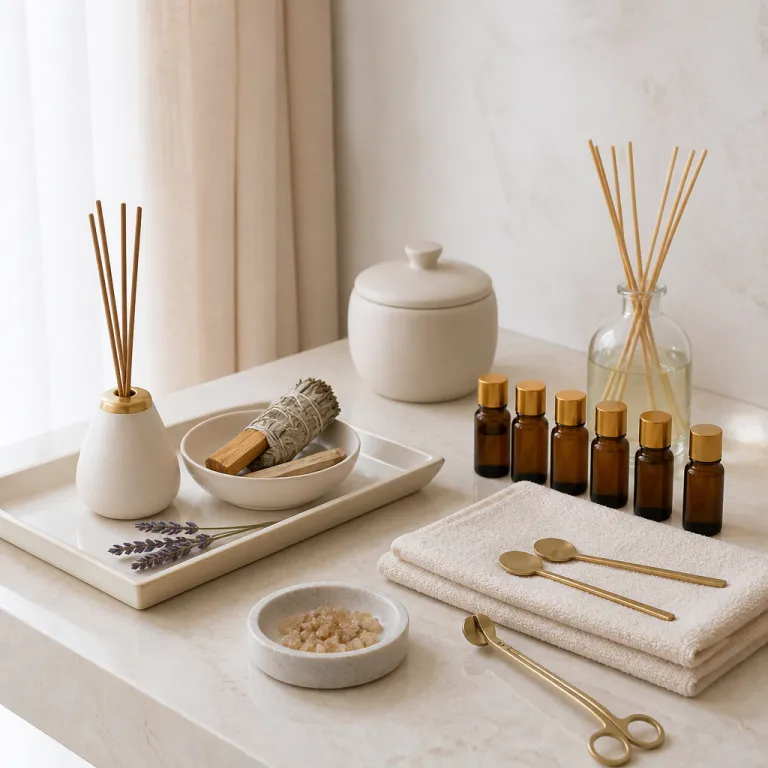
Incense vs candles in medical spa hotels: setting the therapeutic scene
When you compare incense vs candles in a luxury medical spa hotel, you are really choosing how you want the treatment space to feel. In high end wellness properties, the way incense and candles burn, release fragrance, and shape the air is curated as carefully as the medical protocols themselves. Guests notice the first scent within seconds, so the right incense, candle, or diffuser can immediately signal calm, safety, and clinical excellence.
Incense is an aromatic material that is burned so that incense sticks or cones release fragrant smoke into the treatment space. Candles are wax based objects with a wick that burn by melting wax, and modern scented candles in medical spas often use soy candles or other plant based blends to reduce soot and support cleaner air. This incense vs candles choice matters because controlled chamber studies on indoor air quality show that incense particulate emissions can be significantly higher than those from candles, which is why responsible spa hotels design strong ventilation and keep incense burning away from flammable materials.
For guests booking a medical spa stay, the question is not simply whether incense or candles smell better. The real question is which fragrance format supports your breathing, your skin sensitivity, and your style of meditation during long treatment hours day after day. A thoughtful booking platform will therefore highlight whether a property prefers natural incense, low smoke incense candles, or hypoallergenic wax melts and diffusers, so you can align the scent and the vibes with your personal wellness goals.
Designing scent rituals for pre treatment and post treatment moments
Luxury medical spa hotels increasingly choreograph different scents for different stages of care, using incense vs candles strategically rather than decoratively. Before a dermatological consultation or a non invasive procedure, many properties rely on a very subtle diffuser or electric oil system, so fragrance oils and essential oils are released gently without visible burning or smoke. After a long treatment, therapists may light a single candle or place incense sticks at a distance to add a sense of ceremony without overwhelming the clinical air.
On a premium booking website, you should expect detailed descriptions of these scent rituals, just as you would expect clarity about hydrotherapy pools or facial protocols. Some hotels specify that they use only high quality soy candles with cotton wicks and fragrance oil blends that are free from phthalates, while others emphasise natural incense made from resins and woods that burn slowly and create long lasting, grounding vibes. When you compare properties, look for whether they mention oil burners, wax melts, or quiet diffusers in relaxation lounges, because these formats can maintain a consistent scent space for several hours day or night without the visual distraction of open flame.
If you are planning a stay focused on facial rejuvenation, it is worth pairing your room choice with the spa’s olfactory approach to treatment rooms. Guides on how to book luxury spa facial treatments for an exceptional wellness experience often stress that fragrance should never compete with active ingredients or medical grade products. For sensitive guests, a spa that relies more on electric oil diffusers and less on candles incense or heavy incense smoke may offer a better balance between comfort, safety, and therapeutic focus.
Lighting, wax, and clinical safety in treatment rooms
In a medical spa environment, the visual warmth of candles must always be balanced with strict clinical safety standards. Paraffin candle wax can emit volatile organic compounds when burning, so many luxury properties now favour soy candles or other plant based wax blends that burn cleaner and support better indoor air quality. The choice of wax, wick, and fragrance oils is not cosmetic; it directly affects how long lasting the candle is, how much soot it produces, and how suitable it is for enclosed treatment rooms.
Incense vs candles also raises practical questions about where and how each product is placed in relation to medical equipment. Open flames, whether from incense candles, incense sticks, or traditional candles, must be kept away from oxygen lines, alcohol based disinfectants, and any flammable materials used in clinical procedures. Many spa architects now integrate recessed niches, glass lanterns, and dedicated scent shelves so that candles incense and oil burners can operate safely while still contributing to the overall scent space and visual design.
For guests, this means that a room lit by a single lily of the valley candle can feel luxuriously soft, while still complying with rigorous safety protocols. Some hotels explain how a carefully chosen lily of the valley fragrance can elevate luxury medical spa hotel stays by signalling cleanliness and spring like freshness without heavy sweetness. When you read property descriptions, pay attention to whether they mention certified high quality wax, tested fragrance oils, and clear policies on where incense or candles may burn, because these details reveal how seriously the hotel treats both ambience and clinical responsibility.
Air quality, health impacts, and ventilation in wellness suites
For travellers booking a medical spa stay, understanding how incense vs candles affect air quality is essential, especially if you have respiratory concerns. Research on indoor environments shows that burning incense can emit several times more particulate matter per gram than burning candles, which means incense smoke needs robust ventilation and careful time limits. In contrast, candles made from natural wax with clean burning wicks and measured fragrance oil loads can offer a more controlled way of releasing fragrance into the air.
Medical spa hotels that prioritise respiratory comfort often design layered systems that combine diffusers, scented candles, and occasional natural incense in different zones. In hydrotherapy areas, you might find electric oil diffusers using essential oils to maintain a gentle, continuous scent without visible burning or extra heat. In meditation lounges, incense sticks may be used briefly at the start of a session to mark a transition, then extinguished so that the air remains clear while the lingering scents support relaxation.
Responsible properties also communicate openly about ventilation rates, filtration systems, and how long they allow any product to burn in a closed space. They may schedule incense use only during specific hours day or limit it to outdoor terraces, while relying on wax melts and oil burners indoors where air exchange is lower. When you compare listings on a luxury booking website, look for language about indoor air quality, hypoallergenic fragrance oils, and options for fragrance free rooms, because these are strong indicators that the hotel understands the health implications of every scent choice.
Mood, meditation, and the psychology of scent in medical spas
The emotional difference between incense vs candles becomes most apparent in meditation rooms and post treatment relaxation lounges. Incense, especially natural incense made from woods like sandalwood or resins like frankincense, tends to create a ritualistic atmosphere with visible smoke and slowly shifting scents. Candles, by contrast, combine soft light, warm wax, and gentle fragrance to produce a more understated, cocooning mood that many guests associate with private suites and hydrotherapy baths.
When you book a medical spa hotel, consider how you personally respond to different scents and burning formats during meditation or breathwork. Some guests find that incense sticks and incense candles help them focus because the rising smoke gives a visual anchor, while others prefer the stillness of a single candle flame and the quiet diffusion of scented candles or wax melts. High quality fragrance oils and essential oils can be blended differently for incense vs candles, so the same scent family, such as citrus or herbal, may feel sharper in smoke form and rounder when released from melted wax.
Many luxury properties now offer a scent menu at check in, allowing you to add your preferred fragrance to your room via diffusers, candles incense, or electric oil systems. This personalised scent space can support better sleep, calmer pre procedure nerves, or deeper meditation after a long day of treatments. When a booking website explains these options clearly, you can align your choice of incense, candle, or diffuser with your therapeutic objectives rather than leaving such an influential detail to chance.
Curating scent experiences through a luxury medical spa booking platform
A sophisticated booking website for medical spa hotels should treat incense vs candles as part of the core wellness offering, not as an afterthought. Property profiles can specify whether rooms include a curated selection of scented candles, access to a candle shop style lobby boutique, or complimentary natural incense for terrace meditation. They can also indicate whether diffusers, oil burners, or electric oil systems are used in public spaces, and how long lasting each scent program is designed to be.
For travellers, this level of detail turns a simple reservation into a fully informed wellness choice. If you are sensitive to smoke, you might filter for hotels that rely mainly on soy candles, plant based wax melts, and fragrance oils delivered through quiet diffusers rather than incense sticks. If you love the ceremony of incense, you can prioritise properties that offer dedicated outdoor meditation decks where incense can burn safely in the open air, away from flammable materials and clinical equipment.
Behind the scenes, many medical spa hotels are also integrating sustainability into their scent strategies, choosing refillable diffusers, recyclable candle containers, and responsibly sourced essential oils. Articles on invisible wellness and how medical spa hotels build sustainability into clinical spaces without you noticing often highlight these subtle design choices. When a booking platform explains which properties use high quality, ethically sourced fragrance oils and manage burning schedules carefully, it helps you select a stay where every breath, every scent, and every flicker of wax supports both your health and the planet.
Key statistics on incense vs candles in wellness environments
- Studies on indoor air quality have measured incense particulate emissions at around 45 milligrams per gram of product burned, while candle emissions in similar tests are closer to 10 milligrams per gram, indicating that incense can generate several times more airborne particles in enclosed spa rooms (source: Jetter, J. J., Guo, Z., McBrian, J. A., & Flynn, M. R., “Characterization of emissions from burning incense,” Environmental Science & Technology, 36(8), 1953–1964, 2002, doi:10.1021/es011274v).
- Research comparing paraffin candles with soy candles shows that plant based waxes generally produce less soot and fewer volatile organic compounds, which is why many medical spa hotels now specify soy or other natural wax in their procurement standards (source: environmental health and combustion assessments such as Fine, P. M., Cass, G. R., & Simoneit, B. R. T., “Characterization of fine particle emissions from burning candles of various composition,” Environmental Science & Technology, 33(14), 2352–2362, and related candle emission studies).
- Consumer surveys in luxury hospitality indicate that more than half of wellness travellers consider room fragrance and air quality as important as mattress comfort when choosing a spa hotel, underscoring the need for transparent information about incense vs candles on booking platforms (source: global luxury travel and wellness preference surveys by industry research firms such as the Global Wellness Institute and high end hotel brand insight reports).
- Industry trend analyses report a steady shift towards natural incense and high quality fragrance oils in spa settings, alongside a rise in electric diffusers and wax melts that can operate safely for several hours day without open flame (source: spa and wellness market reports tracking product mix and procurement patterns, including annual spa industry outlooks and fragrance category breakdowns).
FAQ about incense vs candles in luxury medical spa hotels
Is incense more harmful than candles in a spa room ?
Is incense more harmful than candles? Incense emits more particulate matter; ventilation is recommended. In a medical spa context, this means incense should be used sparingly, ideally in well ventilated or outdoor spaces, while candles made from clean burning waxes can be a gentler option for enclosed treatment rooms.
Do candles release harmful chemicals during treatments ?
Do candles release harmful chemicals? Paraffin candles can emit VOCs; opt for natural waxes. Luxury medical spa hotels increasingly choose soy candles or other plant based wax blends with carefully selected fragrance oils to minimise emissions and support better indoor air quality for guests undergoing clinical treatments.
Which is better for meditation in a medical spa, incense or candles ?
Neither format is universally better; it depends on your sensitivity and the room design. Incense sticks and natural incense can create strong, ritual like vibes with visible smoke, while scented candles and wax melts offer softer scents and gentle light that many guests find more suitable for long meditation sessions in enclosed spaces.
How do booking websites show scent and air quality information ?
Advanced luxury and premium booking platforms now highlight whether a hotel uses incense vs candles, which diffusers or oil burners are installed, and whether fragrance free or low scent rooms are available. This transparency allows you to match your preferences for fragrance oils, essential oils, and ventilation with the specific design of each medical spa property.
Are electric diffusers safer than open flame options in clinical areas ?
Electric oil diffusers and similar devices remove the risk associated with open flames near flammable materials or medical gases, which makes them particularly suitable for treatment zones. Many medical spa hotels therefore reserve incense candles and traditional candles for relaxation lounges and suites, while relying on electric systems to maintain a consistent, long lasting scent space in clinical corridors and consultation rooms.