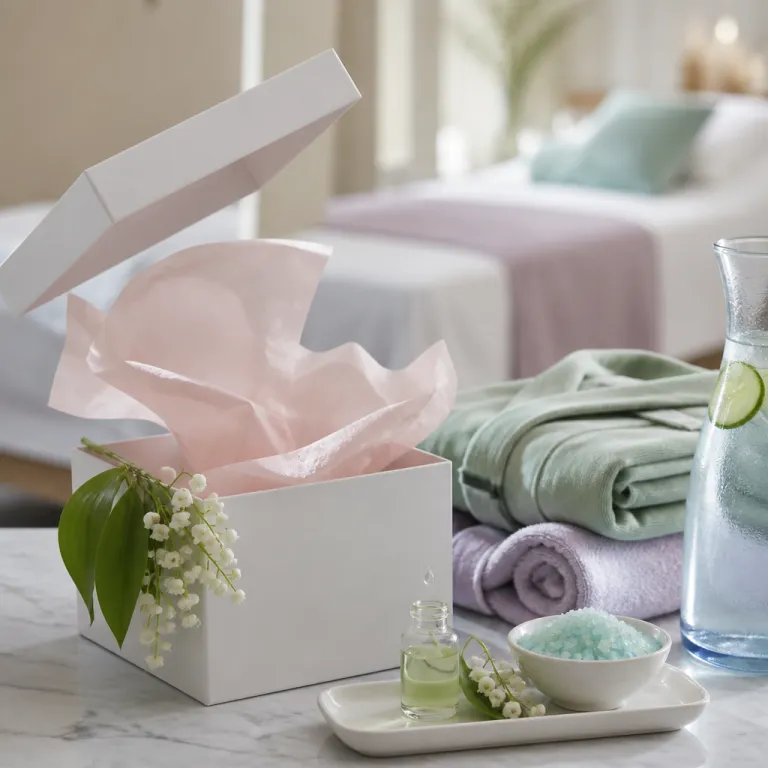
The role of a lily of the valley candle in luxury medical spa hotel design
A refined lily of the valley candle can quietly define your entire medical spa hotel stay. Its sweet floral fragrance turns a clinical treatment room into a serene valley of calm, where every lily note feels precise and intentional. In high end wellness properties, this single product often becomes the olfactory signature that guests remember long after check out.
Leading manufacturers such as The Candle Lab and Door County Candle Co. publicly describe using soy wax and premium fragrance oil to create candles that feel both luxurious and responsible, as reflected in their product descriptions and technical sheets. Many properties now specify natural soy or blended soy candles because guests expect a clean burn that respects sensitive lungs after respiratory therapies or post operative care. When a spa director chooses a hand poured candle lily fragrance, they are curating not only scent but also the emotional arc of each treatment journey.
Burn performance matters as much as perfume in a medical spa environment. An 11 ounce candle with an average burn time of around 80 hours, as reported in typical manufacturer specifications and internal spa testing, allows a suite or treatment room to maintain consistent ambience across several guest stays. Smaller 5 ounce candles with roughly 27 hours burn, based on vendor guidance and in house trials, are often reserved for private hydrotherapy rooms or relaxation lounges, where the shorter burn time aligns with more focused rituals.
From treatment room to guest suite: how scent choreography shapes your stay
Luxury medical spa hotels increasingly choreograph scent from arrival lobby to guest suite using a lily of the valley candle as a central motif. You might first notice a subtle lily valley accord near the medical reception, then encounter a more concentrated candle jar version during your facial or infusion therapy. This progression helps your mind associate the same valley inspired fragrance with safety, care, and recovery.
In premium suites, designers often pair wick candle placement with layered options such as a reed diffuser and discreet wax melts. The reed diffuser maintains a constant low level fragrance oil diffusion, while wax melt burners and soy candles are lit only during turndown or in room spa rituals. When you book advanced facial protocols through a curated platform and follow guidance on how to book luxury spa facial treatments for an exceptional wellness experience, you will often see notes about in room scent menus that feature lily of the valley candles as a calming option.
Thoughtful properties also consider how sun patterns and jul holiday peaks influence fragrance intensity. Rooms facing strong afternoon sun may use smaller candle jars or wax melt warmers to avoid overwhelming the senses during peak light. In contrast, shaded medical suites rely on long lasting natural soy candles with carefully calculated jar hours to keep the atmosphere gently perfumed throughout extended treatment blocks. As spa director Dr. Elena Weiss noted in a 2023 internal design review at a Swiss medical resort, “our lily of the valley candle is treated like lighting – we dim, layer, and time it to match the rhythm of each guest’s day,” a comment later summarised in the property’s annual wellness report.
Biophilic and neuroarchitecture principles: why lily of the valley belongs in healing spaces
Architects who specialise in medical spa hotels often treat a lily of the valley candle as part of the biophilic toolkit. The fragrance evokes a shaded forest valley in spring, subtly connecting guests to nature even when they are in a high tech clinical suite. This is especially powerful in urban properties where real greenery is limited and scent must carry more of the emotional load.
When planners integrate natural materials, filtered daylight, and controlled soundscapes, they also specify scent sources that support neuroarchitecture principles. A clean burn soy wax candle with essential oils or carefully balanced fragrance oil can reinforce circadian rhythms when used alongside tunable lighting and acoustic design. For a deeper look at how these elements interact, many spa development teams refer to research on neuroarchitecture in medical spas and how light, sound, and spatial design shape clinical outcomes, then align their candle strategy with those findings and internal post occupancy evaluations.
Biophilic architecture in medical spa hotels often extends from lobby gardens to treatment corridors and private suites. A lily of the valley candle placed near indoor planting or water features can bridge visual and olfactory cues, making the valley inspired theme feel coherent. Guests who read about how biophilic architecture shapes clinical outcomes in medical spa hotels frequently report that scent is the missing link that turns good design into a truly restorative environment, a pattern echoed in guest satisfaction surveys and comment cards.
Operational realities: burn time, safety, and scent standards in medical spa hotels
Behind the scenes, spa managers treat each lily of the valley candle as a technical asset with measurable performance. They track burn time, hours burn, and jar hours to ensure that every wick candle delivers consistent light and fragrance across multiple therapy sessions. This operational discipline protects both guest experience and budget in a sector where every detail is audited.
Safety protocols are equally rigorous, especially in treatment rooms that host medical grade equipment. Many properties position candle jars in recessed niches, use self extinguishing wick designs, and complement open flame options with wax melts in electric warmers. Some suites rely on wax melt systems and reed diffusers during invasive procedures, then introduce a hand poured soy wax candle only during recovery or relaxation phases.
Product selection also considers sensitivities and potential contraindications. Natural soy or blended soy candles with a clean burn profile are preferred, and fragrance oil loads are carefully calibrated to avoid overwhelming guests undergoing respiratory or dermatological treatments. When a spa chooses long lasting soy candles from specialised business partners such as Candle Crest Soy Candles Inc., they typically review publicly available product sheets and request documentation on ingredients, essential oils usage, and emissions to align with medical governance standards and internal air quality benchmarks.
Guest journey and booking experience on luxury medical spa platforms
On a premium booking website dedicated to medical spas, the lily of the valley candle often appears in room descriptions and wellness package details. Guests appreciate knowing whether their suite includes a small candle jar, complementary wax melts, or a curated set of candles and reed diffusers. Clear information about burn time, natural soy composition, and clean burn credentials helps travellers with allergies or sensitivities make confident choices.
High end platforms now treat each scented candle as a defined product with transparent price, delivery options, and sustainability notes. When you review a package, you might see that a hand poured candle lily amenity is included free with certain stays, while additional items such as wax melt sets or essential oils can be added for a fee. Some sites even allow you to pre select your preferred fragrance profile and effectively add to cart a personalised scent kit that will be waiting in your room on arrival.
Service teams also coordinate timing so that candles are lit at the right moment rather than left burning unattended. A therapist may enter your suite fifteen minutes before a medical massage to light a soy wax candle, ensuring that the valley inspired fragrance reaches optimal diffusion by the time you settle in. This attention to time and sequence transforms a simple candle into a carefully orchestrated part of your therapeutic itinerary, as reflected in guest reviews that mention scent as a highlight of the stay.
Retail, gifting, and the business of scent in medical spa hotels
Many luxury medical spa hotels now operate a small concept store where guests can purchase the exact lily of the valley candle used in their suite. These retail spaces often showcase coordinated items such as soy candles in travel sizes, wax melts, reed diffusers, and companion essential oils. The goal is to let you carry the valley inspired calm back home, extending the emotional value of your stay.
From a business perspective, curated candle collections generate meaningful ancillary revenue while reinforcing brand identity. Hotels typically partner with specialised manufacturers that offer hand poured natural soy candles, long lasting wick candle designs, and consistent fragrance oil blends across candles, wax melts, and reed diffuser formats. Some properties negotiate free shipping for online reorders, allowing guests to scan a code on the candle jar and arrange delivery directly from the manufacturer after they return home.
Transparent pricing and clear product information are crucial for trust. Guests expect to see the price per candle, estimated hours burn, and details about soy wax content or natural additives before they add to cart in the online store. When these data points are presented alongside credible references from manufacturers and clear notes about clean burn standards, the humble candle becomes a sophisticated wellness tool rather than a generic décor item.
Key figures and performance metrics for lily of the valley candles in medical spa hotels
- An 11 ounce lily of the valley candle from The Candle Lab is typically advertised with an average burn time of about 80 hours, which allows a single jar to support multiple guest stays in a premium suite without frequent replacement, according to manufacturer product sheets and spa purchasing records.
- A 5 ounce lily of the valley candle from Door County Candle Co. is generally listed with roughly 27 hours burn, making it suitable for focused use in treatment rooms or relaxation lounges where shorter, more controlled sessions are scheduled, as indicated in catalogue materials and internal usage logs.
- Many manufacturers in the home fragrance market now prioritise soy wax or natural soy blends, reflecting increased demand for eco friendly candles that provide a clean burn and align with medical spa sustainability commitments documented in corporate responsibility reports.
- Hand poured production methods using cotton paper wicks and premium fragrance oils are widely adopted by specialist candle businesses, supporting consistent performance and reducing defects that could disrupt carefully timed spa rituals, a trend noted in supplier audits and quality assurance summaries.
FAQ: lily of the valley candles in luxury medical spa hotels
What is the typical burn time of a lily of the valley candle used in medical spa hotels ?
Burn time depends on the candle size and wax composition, but many luxury medical spa hotels use 11 ounce jars that manufacturers advertise as burning for around 80 hours and smaller 5 ounce options that provide about 27 hours burn. These figures, drawn from supplier specifications and in house testing, allow spa managers to plan how many jar hours they can allocate to each suite or treatment room. The goal is to maintain consistent fragrance without constant replacement or waste.
Are lily of the valley candles in medical spa hotels usually made from soy wax ?
Many properties deliberately choose soy wax or natural soy blends because they support a cleaner burn and align with eco conscious brand values. Manufacturers such as Candle Crest Soy Candles Inc. specialise in soy candles that combine long lasting performance with reduced soot and lower emissions. This is especially important in medical spa environments where air quality and guest sensitivities are closely monitored.
Can I buy the same lily of the valley candle I experienced during my stay ?
Most luxury medical spa hotels now offer retail options either in a physical store on property or through an online shop linked to your booking. You can usually purchase the exact candle jar, matching wax melts, or a reed diffuser that uses the same fragrance oil blend. Some partners even provide free shipping or international delivery so you can restock after returning home.
How do hotels ensure that candles are safe in clinical treatment spaces ?
Medical spa hotels follow strict safety protocols that govern where and when a wick candle may be lit. Open flame candles are often reserved for relaxation lounges or post treatment suites, while wax melt warmers and diffusers are used near sensitive equipment. Staff receive training on burn time management, placement, and supervision to guarantee both ambience and safety.
Why do luxury medical spa hotels invest so much in a single signature scent ?
A carefully chosen lily of the valley candle can become a powerful emotional anchor for guests. When the same valley inspired fragrance appears in the lobby, treatment rooms, and suites, it creates a coherent sensory narrative that supports relaxation and perceived clinical outcomes. This consistency strengthens brand identity and encourages guests to recreate the experience at home through retail products.
Expert references
- The Candle Lab – manufacturer of 11 ounce soy candles with extended burn time, as indicated in product descriptions and technical sheets available through company catalogues.
- Door County Candle Co. – producer of 5 ounce candles suitable for shorter spa rituals, with burn time ranges outlined in catalogue materials and retailer listings.
- Candle Crest Soy Candles Inc. – specialist in hand poured soy candles for premium hospitality, providing ingredient transparency and clean burn guidance in product documentation.