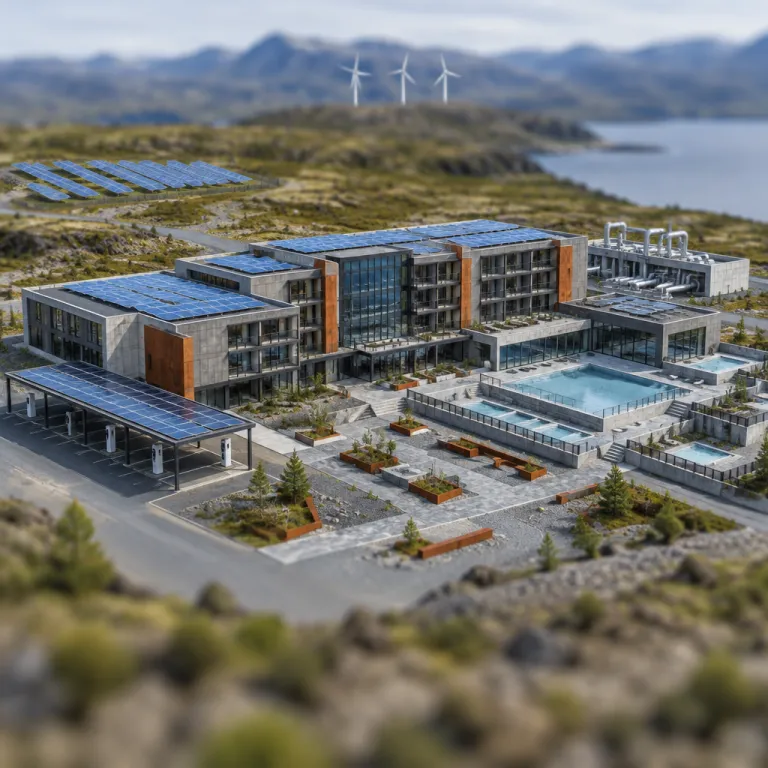
The energy profile of a medical spa hotel
A sustainable medical spa hotel using renewable energy operates very differently from a conventional luxury property. Behind the calm wellness spaces, clinical equipment such as MRI scanners, cryotherapy chambers and hyperbaric oxygen units drive intense energy demand that runs for long hours. For families comparing hotels, this hidden energy profile explains why sustainability claims must be structural, not decorative.
In a serious medical wellness clinic, every diagnostic test, every set of lab results and many spa treatments depend on stable power. That means the hotel spa infrastructure, from imaging suites to climate controlled treatment rooms, often consumes more energy per square metre than a standard resort. When a resort spa commits to renewable energy for these systems, the environmental impact reduction is far more meaningful than simply switching a few lights to LED.
Thermal circuits, hydrotherapy pools and contrast showers add another layer of energy water demand. Heated vitality pools, cold plunge baths and long hydrotherapy sessions for musculoskeletal health all require constant temperature control and sophisticated spa facilities management. Families choosing wellness retreats should understand that a sustainable spa resort must balance clinical reliability, guest comfort and eco friendly engineering in every zone of the property.
Where clinical longevity meets 100 percent renewable power
Some properties now prove that a sustainable medical spa hotel using renewable energy can still deliver rigorous clinical programmes. Six Senses Amaala on Saudi Arabia’s Red Sea coast is designed to operate on 100 percent renewable energy while targeting LEED Platinum certification for its overall sustainability strategy. At the same time, the resort runs a Longevity Centre offering cryotherapy, Pulsed Electromagnetic Field (PEMF) therapy and other advanced treatments that demand constant, high quality power.
This kind of resort spa shows how luxury and sustainability can coexist without compromise. The medical team can prescribe long term protocols for cardiovascular health, metabolic balance and mental health resilience, knowing that the energy supply is backed by large scale solar generation and storage. For guests, especially parents travelling with teenagers or older relatives, it means they can book intensive spa treatments and clinical consultations while supporting a property whose environmental impact is genuinely minimal.
Travellers who care about low carbon operations should look for properties where sustainability starts in the treatment room, not just in the linen policy or the organic restaurant menu. A useful reference is the detailed guidance on low carbon luxury medical spa hotels available in this analysis of how sustainability starts in the treatment room. When a hotel integrates renewable energy into its clinical infrastructure, families can enjoy a wellness retreat that aligns with both their health goals and their environmental values.
Engineering renewable reliability for clinical grade wellness
Running a sustainable medical spa hotel on renewable energy is an engineering challenge before it becomes a marketing story. Clinical equipment in a wellness clinic, from infusion suites to dermatology lasers, cannot tolerate power fluctuations or unexpected outages. Engineers therefore design layered systems that combine on site solar arrays, battery storage and carefully managed grid connections to guarantee uninterrupted care.
During peak hours, when spa resorts run full schedules of spa treatments, diagnostics and hydrotherapy, energy demand can spike sharply. Smart building management systems monitor every wing of the hotel spa, shifting non essential loads and drawing from stored renewable energy to keep critical medical equipment stable. Families rarely see this orchestration, yet it is what allows guests to enjoy complex programmes without ever thinking about voltage, backup generators or energy water optimisation.
Water management is equally technical in a high end spa resort. Thermal pools, hammams, Vichy showers and contrast circuits use large volumes of water, which sustainable properties treat, filter and recirculate through advanced systems that minimise waste while maintaining strict health standards. For a deeper look at how these invisible systems shape the guest experience, see the specialist feature on how medical spa hotels build sustainability into clinical spaces, which explains why the most eco friendly properties often look completely conventional on the surface.
Water, materials and the quiet work of sustainability
Energy is only half the story in a sustainable medical spa hotel powered by renewable sources. The other half lies in how the property handles water, natural materials and the full lifecycle of its spa facilities. For families booking multi day wellness retreats, these choices shape both comfort and conscience over the long term stay.
Hydrotherapy circuits and resort spa pools rely on complex filtration, heat recovery and grey water systems that reduce overall consumption without compromising health standards. Many leading spa resorts now use low chemical treatment regimes, rainwater capture for irrigation and closed loop systems that recycle energy water from back of house operations into heating for pools or domestic hot water. When combined with renewable energy, these measures significantly cut the environmental impact of each guest night.
Material choices matter just as much as engineering. Properties that prioritise natural materials such as sustainably sourced timber, stone and organic textiles create calmer spaces while reducing off gassing and long term waste. Families should look for hotel spa designs where finishes are durable, repairable and chosen for minimal environmental footprint, rather than for short lived visual drama that demands frequent replacement.
How to read sustainability claims when you book
For travellers scanning booking sites, sustainability language can feel vague and interchangeable. A truly sustainable medical spa hotel using renewable energy will publish specific data on its energy mix, water use and waste reduction, rather than relying on generic eco friendly labels. Families should approach these claims with the same scrutiny they apply to medical credentials or wellness programme descriptions.
Certifications provide a useful filter. LEED and BREEAM ratings assess whole building sustainability, while independent audits and property specific reports often detail how much renewable energy the hotel actually uses across clinical spaces, spa facilities and guest rooms. When a resort spa shares clear numbers on energy, water and emissions, it signals a culture of transparency that usually extends to medical governance and guest safety.
It is also worth distinguishing between a sustainable spa concept and a fully integrated sustainable property. A hotel might offer organic spa treatments and plant based menus while still relying on fossil fuels for its MRI suite, pools and air conditioning. Families who want their wellness retreat to align with environmental values should prioritise hotels where renewable energy powers both the wellness clinic and the wider resort infrastructure.
The guest experience: does sustainability change how a stay feels ?
From a guest perspective, a sustainable medical spa hotel powered by renewable energy should feel quietly efficient rather than worthy or austere. The best properties integrate sustainability so deeply into their operations that families simply notice excellent sleep quality, stable room temperatures and calm spa environments. Clinical programmes run on time, water pressure is strong and spa offers feel generous, not rationed.
Where sustainability becomes tangible is in the narrative your family takes home. Parents can explain to children how the resort spa pools are heated by solar energy, how natural materials in the rooms reduce chemical exposure and how the hotel spa recycles water without compromising hygiene. For guests who care about mental health as much as physical health, this alignment between values and environment often enhances the sense of restoration.
Evidence based wellness also benefits from sustainable design. When a wellness retreat uses daylight, acoustic insulation and organic textiles to support circadian rhythms and reduce sensory overload, clinical outcomes for stress, sleep and long term resilience often improve. Guests enjoy knowing that their personal health gains are not coming at the cost of a heavy environmental footprint, especially when they engage with advanced therapies such as those explained in this guide to how red light therapy earned its place in the medical spa protocol.
Choosing the right property for a family medical spa stay
When you filter options for a family focused wellness clinic or spa resort, start with clarity on your priorities. If renewable energy and sustainability sit alongside clinical depth on your checklist, look for hotels that publish both medical team biographies and environmental performance data. A sustainable medical spa hotel using renewable energy should be proud to share details of its physicians, its diagnostic capabilities and its energy systems in equal measure.
Families planning long stays should pay attention to how sustainability supports comfort over time. Ask whether rooms use natural materials and organic bedding, how the property manages water in pools and hydrotherapy zones, and whether spa treatments are designed for long term health rather than short term spectacle. Properties that belong to curated collections such as Green Pearls or similar sustainability focused portfolios often provide more granular reporting on minimal environmental impact and long term commitments.
Finally, consider how the resort spa integrates children and teenagers into its wellness narrative. Some spa resorts offer age appropriate spa facilities, educational nature walks and gentle movement classes that introduce younger guests to wellness without over medicalising their experience. When these programmes run in hotels powered largely by renewable energy, the stay becomes a quiet lesson in how luxury, health and environmental responsibility can coexist.
Key figures on sustainable medical spa hotels and renewable energy
- According to the World Green Building Council, buildings account for roughly 37 percent of global energy related CO₂ emissions, which makes the shift to renewable energy in energy intensive medical spa hotels particularly impactful for climate goals.
- Data from the International Energy Agency shows that renewable energy sources generated around 30 percent of global electricity recently, a share that is rising steadily and enabling more hotels and resorts to power spa facilities and clinical equipment with low carbon electricity.
- Studies from the U.S. Environmental Protection Agency indicate that water efficient fixtures and recycling systems can reduce hotel water use by up to 30 percent, a crucial figure for spa resorts operating multiple pools, hydrotherapy circuits and high demand laundry services.
- Research published by the Global Wellness Institute highlights that wellness tourism has been growing faster than overall tourism, with travellers increasingly willing to pay a premium for properties that combine evidence based health programmes with credible sustainability practices.
- Certification bodies such as LEED report that green buildings can deliver energy savings of 25 to 30 percent compared with conventional properties, which directly supports the business case for investing in renewable energy systems in medical spa hotels.
FAQ about medical spa hotels powered by renewable energy
Do renewable powered medical spa hotels compromise on clinical quality ?
No, serious properties design their energy systems so that clinical quality is non negotiable. Renewable energy is integrated with storage and grid backup to ensure that MRI suites, cryotherapy chambers and other sensitive equipment receive stable power. Guests should expect the same or higher clinical standards compared with conventional luxury hotels.
How can I verify that a spa hotel really uses renewable energy ?
Look for specific data rather than generic eco friendly language. Credible hotels publish the percentage of their electricity that comes from renewable sources, often supported by third party audits or certifications such as LEED or BREEAM. You can also ask the property directly about on site solar, purchase of green tariffs and any public sustainability reports.
Are sustainable medical spa hotels more expensive for families ?
Room rates at high end sustainable properties can be similar to other luxury hotels in the same destination. While investment in renewable energy and advanced water systems is significant, these measures often reduce operating costs over the long term. Some resorts reinvest those savings into better spa facilities or family focused wellness programmes rather than charging a visible premium.
Does staying at a renewable powered spa resort really reduce my footprint ?
Yes, especially when the property uses a high share of on site or contracted renewable electricity and efficient water systems. Your personal footprint per night is lower because the hotel emits less CO₂ and consumes fewer natural resources to deliver the same level of comfort and clinical care. Choosing such properties consistently sends a clear demand signal that supports wider decarbonisation in the hospitality sector.
What should families prioritise when choosing a sustainable wellness retreat ?
Start with medical credibility, then layer sustainability on top. Check the qualifications of the wellness clinic team, the evidence base for spa treatments and the suitability of programmes for each family member, including children. Once those boxes are ticked, focus on renewable energy use, water management, natural materials in rooms and transparent reporting on environmental impact.