Why floatation tanks are moving into serious medical spa hotels
Luxury medical spa hotels once invested mainly in visible technology and dramatic hydrotherapy suites. Now a quieter asset, the floatation tank, is reshaping how physicians think about stress relief and deep relaxation within a clinical programme. For couples used to marble hammams and panoramic pools, stepping into a floatation tank sensory deprivation spa hotel can feel like entering a different category of care.
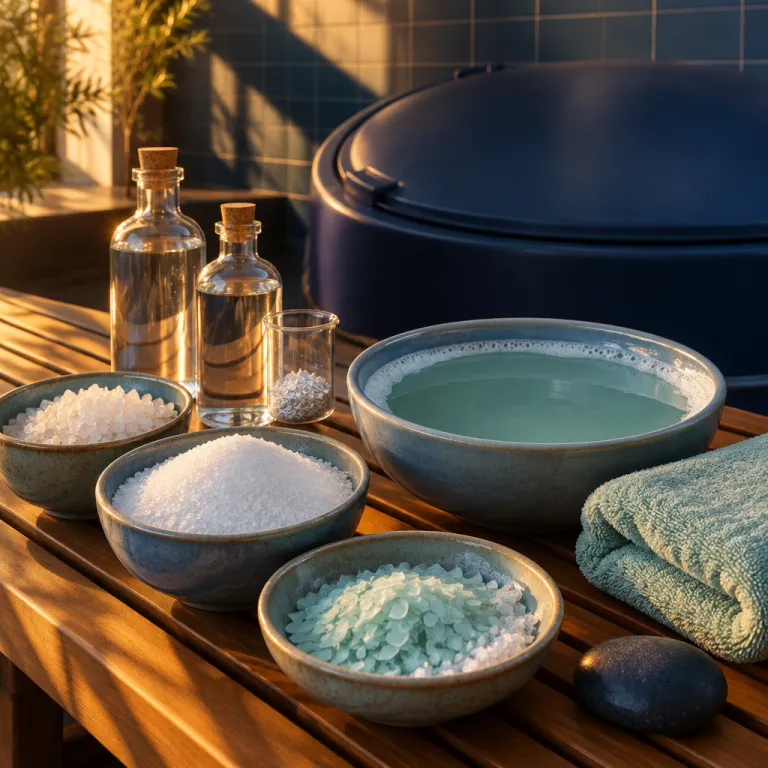
In these properties, float therapy is framed not as a novelty but as Restricted Environmental Stimulation Technique, where a float tank is filled with highly concentrated Epsom salt to create a perfectly buoyant float surface. The water is warmed to skin temperature, the air is still, and the tank or sopod is engineered so that light and sound almost vanish, allowing the brain to shift into a state that many guests describe as mentally physically lighter. When medical spa hotels invest in multiple float tanks or a dedicated sopod floatation suite, they are signalling a commitment to measurable outcomes rather than theatrical wellness.
For travelers comparing spa services, the presence of float sessions alongside hyperbaric oxygen therapy or clinical sleep labs is becoming a subtle marker of seriousness. Fouquet's Mykonos, for example, opened with a Rock Spa designed by Dr Barbara Sturm that includes a floatation tank next to ice baths and advanced oxygen therapy, positioning sensory deprivation as part of a physician led toolkit rather than a fringe experiment. When you book a stay in this kind of place, the float experience is usually integrated into a broader diagnostic journey, not sold as a stand alone single float with vague promises.
The science of floating: REST, magnesium and the neurology of silence
Behind the serene marketing images, floatation is grounded in a body of research on REST, or Restricted Environmental Stimulation Technique. In a clinical float therapy protocol, the tank or sopod is filled with hundreds of kilograms of pharmaceutical grade Epsom salt, creating a dense solution that lets people float effortlessly for extended minutes without muscular effort. This reduction in gravitational load is one reason guests with chronic pain often report feeling better after repeated float sessions than after more conventional spa therapy.
When you lie on the float surface at skin temperature, the boundary between body and water starts to blur, and the brain receives far fewer sensory signals to process. That deprivation float state appears to reduce activity in regions associated with anxiety and depression anxiety, which is why some medical spa hotels now position floats as an adjunct to psychological care rather than a replacement. Early data suggest that cortisol levels may drop after a session, while mental clarity and sleep quality can improve, especially when floats are scheduled at the right time within a structured programme.
For couples planning a medical spa stay focused on skin health, the same properties that make float tanks effective for neuromuscular relaxation can complement dermatological protocols. A carefully timed float session can follow a non ablative resurfacing treatment, extending deep relaxation and supporting recovery without adding mechanical stimulation to already sensitised skin ; for more detail on evidence based aesthetic planning, see this refined guide to skin resurfacing for luxury medical spa travelers hosted on medical spa stay. In serious floatation tank sensory deprivation spa hotel settings, physicians will usually review your medical history, current medications and pain profile before recommending how many floats to book and how to space them across your stay.
Design and acoustics: what a float room reveals about a property
A true floatation tank sensory deprivation spa hotel does not simply drop a pod into a spare treatment room. Architects and acoustic engineers work with the clinical équipe to create a place where external vibration, plumbing noise and stray light are controlled as carefully as water chemistry. When you read a property description, look for details about dedicated float rooms, separate filtration plant and staff training ; these are more telling than any mood lighting.
The best float tanks are installed in rooms with decoupled walls, silent ventilation and carefully managed humidity, so the floating experience remains consistent from the first to the last minutes of your session. Many couples underestimate how much a faint door slam or corridor footfall can pull the nervous system out of deep relaxation, especially when anxiety or chronic pain is already present. Hotels that invest in multiple tanks, separate waiting areas and precise lighting controls are usually the ones treating float therapy as part of a medical protocol rather than a third party add on.
Design also shapes how comfortable you feel sharing the ritual as a couple while still having a clinically sound single float in your own tank. Some medical spa hotels now offer adjacent float rooms, allowing partners to start their deprivation float at the same time and then regroup in a consultation lounge where a physician or therapist reviews how they felt mentally physically during the float sessions. When planning a broader aesthetic or regenerative stay that might include procedures such as lip fillers in New Jersey or other targeted treatments, as outlined in this planning guide for a luxury medical spa stay, a well designed float suite becomes a quiet anchor between more intensive appointments.
The guest journey: from pre float briefing to post session review
Arriving at a floatation tank sensory deprivation spa hotel, you should expect a process that feels closer to a medical intake than a casual spa check in. Before your first float therapy appointment, a clinician will usually ask about anxiety levels, sleep patterns, chronic pain, medications and any history of claustrophobia or depression anxiety. This pre float conversation shapes how long your initial session lasts, how warm the skin temperature water will be set and whether the tank lid remains fully closed or slightly open.
During the float itself, most programmes start with a shorter single float of around forty five to sixty minutes, giving people time to adjust to the absence of sound and light. You step into the tank, lie back on the Epsom salt saturated float surface and feel the body rise until joints and spine are almost unloaded, which is where many guests first notice stress relief in the neck and lower back. Some properties offer sopod floatation systems with subtle in tank lighting and gentle music for the first few minutes, then fade both to allow a full deprivation float once you feel secure.
After the session, a therapist or physician will usually guide a brief review, asking how you felt mentally physically and whether any pain shifted during the float. This is where the medical framing matters, because the team can adjust future float sessions, other spa services or even diagnostic priorities based on your responses. At more advanced properties that integrate full body imaging and laboratory work, such as the medical spa hotels featured in this screening vacation guide on medical spa stay, float tanks are often scheduled after demanding tests to help the nervous system reset before the next clinical step.
How to choose and book a float focused medical spa stay
For couples ready to book a stay at a floatation tank sensory deprivation spa hotel, the first filter is always clinical governance. Ask whether float therapy is overseen by in house physicians or delegated entirely to a third party operator, and whether the tanks are integrated into written protocols for anxiety, chronic pain or sleep disturbance. A serious property will be transparent about who designed the programme, how many floats are recommended and what outcomes they track over time.
When you read hotel descriptions, look for specific language about float tanks, Epsom salt concentration, water skin temperature and the duration of each session in minutes rather than vague promises of deep relaxation. Properties that mention mental clarity, measurable stress relief and structured follow up tend to treat floating as a clinical tool, not just a spa add on for people who are curious. It is also worth asking whether the hotel offers both single float options and multi session packages, so you can test your response before committing to a full series.
Finally, consider how the float experience fits into the rest of your stay, especially if you are combining it with dermatology, metabolic testing or aesthetic procedures. A well run medical spa will help you book float sessions at times that support recovery, such as after long haul flights, between more intensive treatments or on evenings when anxiety tends to peak. In a sector crowded with impressive hardware, the quiet room with the tanks, the sopod and the almost invisible float surface may be the clearest signal that a hotel is investing in nothingness for results that you can actually feel.
FAQ
How long should a first float session last in a medical spa hotel ?
Most medical spa hotels recommend that a first float session lasts between forty five and sixty minutes. This gives your nervous system enough time to adapt to sensory deprivation without becoming overwhelmed. After assessing your response, clinicians may extend later float sessions toward ninety minutes for deeper therapeutic effects.
Can float therapy help with chronic pain and stress related anxiety ?
Float therapy can support people living with chronic pain and stress related anxiety by reducing muscular tension and sensory load. The combination of Epsom salt buoyancy, skin temperature water and silence allows joints and the spine to decompress, which often eases pain. Many guests also report improved sleep and mental clarity when floats are scheduled regularly within a broader medical programme.
Is a float tank safe if I feel claustrophobic ?
Guests with mild claustrophobia can usually float safely when the tank or sopod lid is left partially open and soft lighting is maintained. Medical spa staff will brief you carefully, stay nearby and encourage you to exit at any time if anxiety rises. If your claustrophobia is severe, a physician may suggest alternative spa services that offer deep relaxation without full sensory deprivation.
How should couples integrate float sessions into a longer medical spa stay ?
Couples often benefit from scheduling float sessions after flights, between more intensive treatments or on evenings when stress tends to peak. Many medical spa hotels offer adjacent float rooms so partners can float at the same time while still following individual protocols. A physician or therapist will usually help you map floats across your itinerary to support both recovery and emotional balance.
What should I look for when booking a floatation tank sensory deprivation spa hotel ?
When booking, prioritise hotels where float tanks are integrated into physician led programmes rather than operated by a third party without clinical oversight. Look for clear information about Epsom salt concentration, water skin temperature, session length and post float review. Properties that discuss outcomes such as pain reduction, stress relief and improved sleep are generally more serious about the therapeutic potential of floating.