Why luxury medical spa hotels now start with your gut
At the top tier of medical spa hotels, the check in now often includes a quiet conversation about your gut rather than just your room category. Clinicians have realised that gut health sits alongside blood panels and genetic reports as a third diagnostic pillar, because the gut microbiome influences metabolic health, skin clarity, mood regulation and the immune system in ways that guests can feel during and after a stay. For travellers used to classic wellness retreats, this shift toward a microbiome gut testing medical spa model signals a move from generic detox promises to measurable medicine grounded in the digestive system.
When a property positions itself as a microbiome gut testing medical spa destination, it is effectively saying that your bacteria are as important as your biomarkers. The gut microbiome is the vast community of gut bacteria, viruses and fungi that live in the digestive tract, and its balance or imbalance can drive digestive issues, systemic inflammation and even subtle symptoms like brain fog or low energy. In a hotel setting, this means that microbiome testing and broader health testing are no longer add ons but part of a structured arrival protocol that shapes your treatment plan, your food and even your sleep schedule.
For the solo explorer booking a premium medical spa hotel, this evolution has practical implications for how you choose a property. You are no longer just comparing hydrotherapy circuits and facial menus, because you now need to understand how each center integrative clinic on site uses gut testing, functional medicine and nutrition to help improve gut function and overall wellness. When a hotel can explain clearly how microbiome testing, blood work and lifestyle coaching interact, you gain confidence that the medicine behind the marketing is sound and that your stay will support both immediate comfort and long term digestive health.
How microbiome testing works during a hotel stay
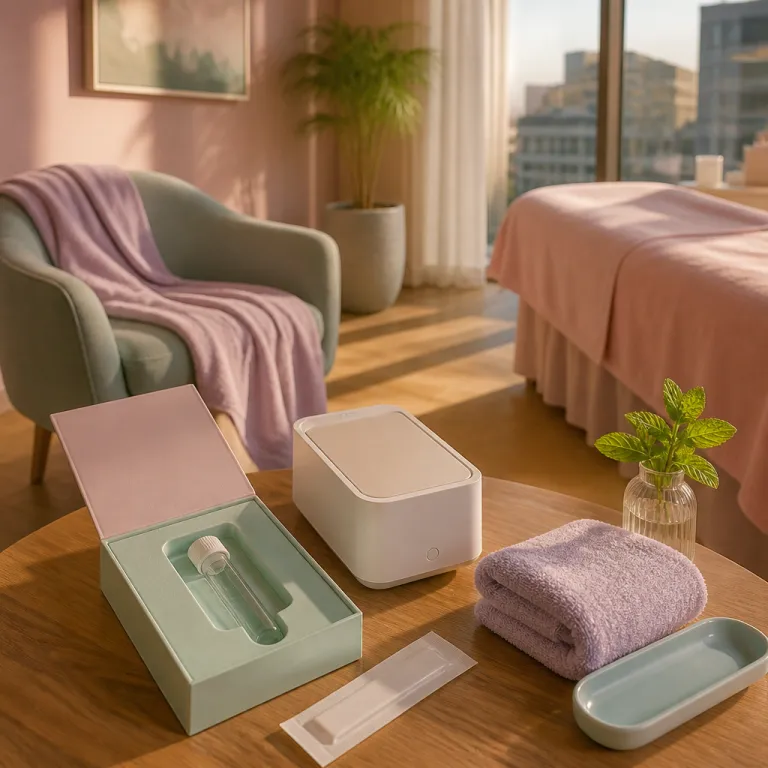
In a serious microbiome gut testing medical spa programme, the process usually starts before you even arrive. Many properties send a microbiome test kit to your home, asking you to collect a stool sample and sometimes complete breath testing for small intestinal bacterial overgrowth, so that microbiome testing results are ready when you reach the health center. This pre arrival health testing allows the clinical équipe to map your gut microbiome, screen for food sensitivities and flag digestive issues or inflammation markers that might otherwise remain hidden during a short stay.
If pre arrival logistics are not possible, the microbiome test and broader gut testing are performed on day one, alongside blood draws and sometimes saliva or urine tests. The sample is shipped to a specialist laboratory, where technicians sequence the gut bacteria and other microbes, then generate a report that links specific bacteria patterns to potential digestive health issues, immune system modulation and even skin problems. While you wait for these posted Google style digital results to return, physicians rely on functional medicine questionnaires and a detailed review of symptoms, from irritable bowel patterns to unexplained bloating, to shape an interim treatment plan.
Turnaround times vary, but high end medical spa hotels design stays so that at least a preliminary microbiome testing summary is available before you leave. This is where the integration with other diagnostics matters, because your gut health data are interpreted alongside lipid panels, hormone levels and sometimes genetic polymorphisms that affect how your body handles food and inflammation. If you are also using thermal suites or considering whether the sauna is good for skin health during a luxury medical spa stay, a well trained physician will explain how heat exposure, circulation changes and hydration can interact with digestive system status and overall wellness, often sharing educational resources similar to those discussed in in depth sauna and skin health analyses.
The gut as the missing link between symptoms and spa medicine
Most guests do not book a microbiome gut testing medical spa stay because they are fascinated by bacteria; they come because they feel unwell in ways that standard check ups have not resolved. Chronic digestive issues, subtle irritable bowel symptoms, unexplained skin flares and stubborn fatigue often coexist, and the gut microbiome sits at the crossroads of these complaints. When a center integrative clinic inside a hotel uses gut testing as a baseline, it can connect these scattered issues into a coherent picture of digestive health and systemic inflammation.
For example, a guest might arrive with long standing irritable bowel patterns, intermittent bowel syndrome style cramps and a history of food sensitivities that make restaurant dining stressful. Microbiome testing may reveal low diversity of beneficial gut bacteria, overgrowth of certain species linked to gas production and markers of a compromised gut barrier that can aggravate the immune system. In this context, functional medicine physicians can design a treatment plan that addresses both the digestive system and extra intestinal symptoms, such as joint aches or skin eruptions that flare after particular food exposures.
Another frequent scenario involves guests focused on aesthetic wellness who are surprised to learn how strongly gut health influences skin quality and even the way the body handles inflammation after procedures. A well structured microbiome test can highlight imbalances that contribute to acne, rosacea or dullness, which is why many properties now pair gut testing with advanced facial protocols like the oxygen based treatments explored in evidence led oxygen facial programmes. At destination clinics such as the new longevity centre projects on the Red Sea coast, where cryotherapy, PEMF and precision diagnostics converge as described in reports on integrated longevity centres, gut microbiome data are increasingly used to refine metabolic, sleep and recovery protocols.
From lab report to plate: culinary medicine in practice
The most sophisticated medical spa hotels treat the restaurant as an extension of the clinic, not a separate indulgence, and this is where gut focused programmes become tangible. Once your microbiome testing and broader health testing results return, a nutritionist and the executive chef sit down together to translate data into menus that support gut health, immune system resilience and sustainable weight balance. This culinary medicine approach moves beyond generic healthy food to targeted meals that help improve gut function, calm inflammation and respect individual food sensitivities identified during gut testing.
On a practical level, this might mean that two guests at the same table receive subtly different versions of the same dish, tailored to their digestive system needs. One guest with irritable bowel tendencies and a history of bowel syndrome flares may be served a low FODMAP adaptation, while another with skin issues linked to dairy related symptoms will receive a dairy free but still elegant plate. Over several days, this personalised treatment of food becomes part of the wellness journey, reinforcing the functional medicine protocols and helping the body reset its relationship with both nourishment and pleasure.
For solo travellers, this integration of microbiome gut testing medical spa diagnostics with culinary artistry can be transformative, because it removes the guesswork and anxiety around what to eat. When you see your gut microbiome data reflected in the menu, you understand that each meal is a form of medicine designed to support digestive health, energy and emotional balance as well as taste. Guests often say they would highly recommend properties where the chef nutritionist collaboration feels seamless, because the experience teaches them how to maintain a health gut routine at home without sacrificing the joy of eating well.
Limits, expectations and how to choose the right programme
For all its promise, microbiome science is still evolving, and a responsible microbiome gut testing medical spa will be transparent about what current tests can and cannot tell you. A microbiome test can map the relative abundance of gut bacteria and sometimes infer functions, but it cannot yet predict every symptom, guarantee a specific treatment outcome or fully explain complex digestive issues. Guests should be wary of any center integrative clinic that claims microbiome testing alone will cure irritable bowel, erase all skin problems or resolve every aspect of chronic inflammation without considering lifestyle, stress and broader medicine.
When evaluating programmes, pay close attention to how the medical team explains the role of gut testing within a wider diagnostic framework. The strongest clinics use microbiome testing as one layer among many, integrating it with blood based health testing, hormone assessments, body composition analysis and sometimes wearable data to build a nuanced picture of your health. They also schedule follow up, because meaningful changes in the digestive system and gut microbiome composition take time, and a single stay, however luxurious, is only the starting point for long term balance.
As you compare options online, look beyond glossy images and focus on clinical governance, physician credentials and how clearly the property communicates limitations on its posted Google style reviews and medical spa descriptions. A trustworthy team will explain that while targeted nutrition, stress management and evidence based supplements can help improve gut function and reduce symptoms, no programme can promise a complete reset in a few days. Choose a place where the language around gut health, immune system support and treatment outcomes feels measured and realistic, because that restraint is often the best indicator that the medicine behind your wellness stay is genuinely sound.
FAQ
How does microbiome testing at a medical spa differ from at home kits ?
Medical spa hotels typically embed microbiome testing within a broader clinical assessment that includes blood work, physical examination and detailed symptom history. This context allows physicians to interpret gut microbiome data alongside digestive health, skin status and metabolic markers rather than in isolation. At home kits can be useful, but they rarely come with the same level of functional medicine expertise or personalised treatment planning.
Can a short medical spa stay really improve gut health ?
A single stay will not completely remodel your digestive system, but it can provide a precise baseline and a clear plan. During a well designed programme, targeted nutrition, stress reduction and evidence based supplements can reduce digestive issues and inflammation, which many guests feel as lighter digestion and better energy. The real value lies in leaving with a structured protocol that you can continue with your own physician or nutritionist.
Is microbiome testing useful if I do not have obvious digestive symptoms ?
Many guests with skin problems, low mood or unexplained fatigue show subtle gut microbiome imbalances even without classic irritable bowel symptoms. In these cases, microbiome testing can highlight patterns that affect the immune system, hormone metabolism or nutrient absorption, which may be contributing to non digestive complaints. A skilled clinician will always correlate test findings with your history rather than treating the lab report alone.
What should I ask before booking a gut focused medical spa programme ?
Ask who interprets the microbiome test, how results are integrated with other health testing and whether there is follow up after you return home. Clarify how the chef and nutritionist translate gut testing into actual menus, especially if you have food sensitivities or a history of bowel syndrome. It is also reasonable to request sample reports or programme outlines so you understand exactly what the treatment pathway will involve.
Are there risks associated with microbiome based treatments at hotels ?
When programmes are supervised by qualified physicians and grounded in conservative functional medicine principles, risks are generally low. Most interventions focus on food, lifestyle and gentle supplements rather than aggressive procedures, which supports the body without overwhelming the digestive system. Problems arise when properties overpromise, use unproven therapies or neglect to review your full medical history, so always prioritise clinics with clear medical oversight and transparent communication.