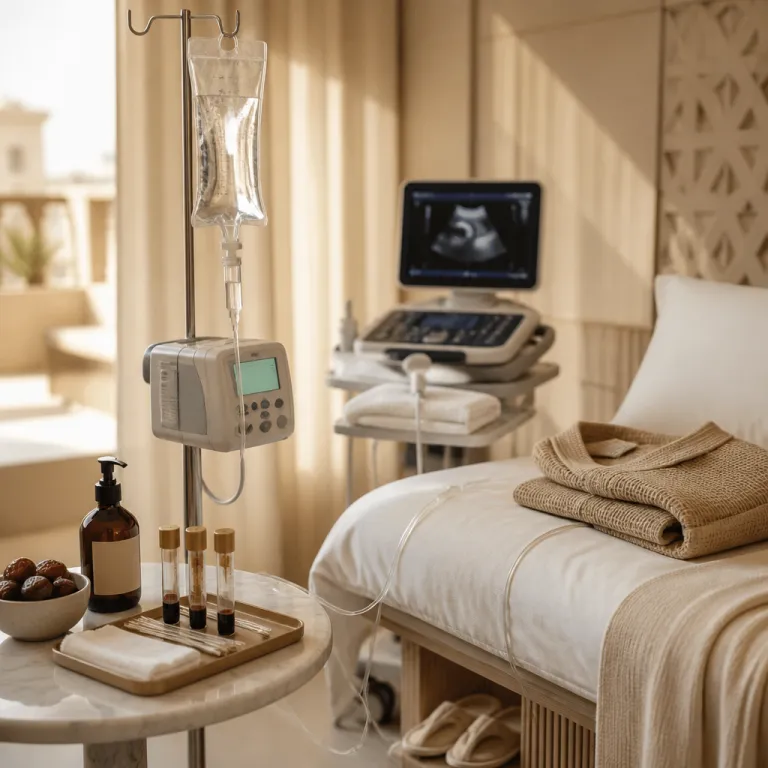
Why a medical spa hotel in the Middle East now rivals Europe’s great clinics
The idea of choosing a medical spa hotel in the Middle East is no longer a niche experiment for wellness insiders. These properties now combine full medical diagnostics, structured spa treatments and discreet resort service in a way that directly challenges the classic European health retreats. For couples used to flying to a wellness resort in Italy or a retreat in Spain, the question is no longer whether to go east, but which Gulf coastline best suits their health goals.
Across the region, medical spa hotels are built as clinics first and resorts second, with physicians, nurses and specialised staff on site throughout your stay. The leading medical spas offer comprehensive health assessments, lab work and imaging before you even step into the spa area for hydrotherapy, yoga or ayurveda sessions. For travellers who once defaulted to Villa Eden in Merano or a Swiss resort spa for longevity programmes, the Middle East now offers comparable medical wellness infrastructure with shorter flight times from the United States East Coast.
Investment scale is the real differentiator, and it shows in the clinical hardware as much as in the marble lobbies. AMAALA on Saudi Arabia’s Red Sea coast is planning six high end wellness resorts, including a Clinique La Prairie health resort, a Six Senses property with a dedicated longevity centre and other resort wellness brands that treat diagnostics as the core product. When you book a medical spa stay here, you are reserving time in a fully equipped health facility that simply happens to sit on a private bay with a spa resort attached.
From Mayr and the Alps to the Gulf: how the new circuit works
For years, the serious wellness retreat circuit ran from the Mayr clinics in Austria to the lakes of Switzerland and the Dolomites of Italy. Couples would plan escapes around detox, weight loss and structured medical spa programmes, then add a few days in a hotel spa on Lake Garda or a retreat in Spain as a softer finish. That European corridor still matters, but the medical spa hotel Middle East scene now offers a parallel route with different climate, culture and clinical focus.
In practical terms, the booking process for a wellness resort in the Gulf mirrors what you might know from Lanserhof or Clinique La Prairie in Switzerland. You complete detailed health questionnaires, share recent test results and pre select treatments such as metabolic testing, cardiology consultations or targeted spa treatments for musculoskeletal pain. Many properties encourage you to think in programme blocks of three, seven or fourteen nights, and resources such as this guide to choosing the right programme length at a medical spa hotel are particularly relevant when you weigh a shorter stay against a deeper reset.
Climate is the most obvious shift when you trade the Alps for the Arabian Peninsula. Instead of bracing mountain air and cold lake plunges, you navigate desert heat, warm seas and carefully timed outdoor protocols at each wellness spa or resort spa. Programmes at a medical spa hotel in the Middle East often front load diagnostics and indoor health wellbeing work during the hottest hours, then move yoga, walking and low intensity training to sunrise and after dark, which suits jet lagged travellers surprisingly well.
Inside the flagships: Zulal, ZOYA and the coming wave at AMAALA
Three names currently anchor the medical spa hotel Middle East conversation for serious wellness travellers. Zulal Wellness Resort by Chiva Som in northern Qatar, ZOYA Health & Wellbeing Resort in the United Arab Emirates and the forthcoming AMAALA cluster on Saudi Arabia’s Red Sea coast each interpret medical wellness through a different cultural and clinical lens. Together, they sketch the future of health focused resort wellness in the region.
Zulal Wellness sits on a quiet stretch of coastline and positions itself as both a family friendly spa resort and a rigorous medical spa with structured programmes. Here, traditional Arabic and Islamic medicine informs spa treatments and nutrition, while Western diagnostics and a resident medical team handle screenings, weight loss strategies and long term health planning. The property’s wellness retreat options range from stress management to metabolic health, and the staff are trained to balance couples’ desire for shared escapes with the reality that each partner’s health data may point to different daily schedules.
ZOYA Health & Wellbeing Resort in Ajman feels more overtly clinical, with a strong focus on detox, cardiometabolic health and evidence based wellness spa protocols. Guests move between consultation rooms, a modern spa area and quiet suites that function almost like a private clinic wing within a hotel, echoing the model of European medical spas where the physician never leaves the building, as explored in this analysis of medical spa hotels with resident physicians. AMAALA, meanwhile, is assembling a portfolio that includes a Clinique La Prairie health resort, a Six Senses property with a longevity centre and other resort spa brands, effectively creating a Red Sea wellness corridor that rivals long established hubs in Switzerland and northern Italy.
Programmes, protocols and what actually happens during your stay
What distinguishes a medical spa hotel in the Middle East from a conventional spa resort is the sequence and depth of its programmes. A typical stay begins with a battery of medical assessments, from blood panels and cardiovascular testing to body composition scans that inform weight loss or performance goals. Only after this diagnostic phase do you move into the more familiar rhythm of spa treatments, yoga classes and tailored nutrition.
Couples often arrive with overlapping aims, such as improving health wellbeing, managing stress and recalibrating sleep, yet the medical data quickly personalises each itinerary. One partner might be steered toward a detox heavy wellness retreat with targeted spa treatments and light movement, while the other follows a longevity focused path with strength training, hormone analysis and advanced recovery protocols. In both cases, the hotel spa becomes an extension of the clinic, not a separate leisure zone, and the staff coordinate timings so that shared meals and evening escapes still feel romantic.
Therapeutic menus blend global influences, but the serious properties avoid wellness theatre in favour of measurable outcomes. You will see ayurveda inspired rituals, but they sit alongside cardiology consultations and physiotherapy rather than replacing them, and yoga sessions are calibrated to your medical profile rather than offered as generic group classes. For travellers who have experienced structured programmes in Thailand, Sri Lanka or Bali in Indonesia, the Middle Eastern approach feels more overtly medical, closer to a European medical wellness clinic transplanted into a coastal resort.
Climate, culture and how the Gulf rethinks the wellness escape
Desert heat shapes everything about a medical spa hotel in the Middle East, from daily timetables to the design of thermal circuits. Outdoor pools and walking paths are used at sunrise and after dusk, while mid day hours are reserved for diagnostics, indoor movement and restorative spa treatments. This inversion of the typical European schedule actually suits jet lagged couples, who can ease into local time while still feeling they are using each day well.
Thermal experiences adapt too, with many wellness resort properties favouring tepidarium style spaces, cool plunge pools and carefully monitored saunas rather than the intense heat you might find in alpine clinics. Hydration protocols, electrolyte monitoring and skin health assessments become part of the medical conversation, especially for guests combining weight loss goals with outdoor training. Cultural context matters as well, and the best resort wellness teams brief international guests on local norms around swimwear, public affection and Ramadan timings without making the guidance feel restrictive.
For couples used to the easy informality of a spa resort in Thailand or a barefoot retreat in Spain, the Gulf’s more structured etiquette can feel formal at first. Yet this same structure underpins the professionalism of the medical spas, where staff are often drawn from international hospital systems and bring a clinical seriousness to every wellness retreat programme. The result is a style of wellness spa stay that feels less like a beach holiday with massages and more like a precisely managed health project, framed by sea views and high calibre hotel service.
How to choose and book the right Middle Eastern medical spa hotel
Selecting the right medical spa hotel in the Middle East starts with clarity about your health priorities. If you want intensive diagnostics and longevity focused medicine, the upcoming Clinique La Prairie health resort at AMAALA or properties aligned with similar medical wellness brands will be your reference points. For couples seeking a softer entry into the region, Zulal Wellness or ZOYA Health & Wellbeing Resort offer structured programmes that still leave room for unhurried escapes by the pool and time to enjoy the wider hotel facilities.
Before booking, request sample programme schedules and ask specific questions about medical staffing, including whether physicians are resident or visiting and how many consultations are included. Clarify which spa treatments are part of your package, how weight loss or metabolic programmes are structured and whether yoga, ayurveda or other modalities are delivered one to one or in groups. It is also worth checking how properties handle follow up, as the strongest medical spas now offer post stay telemedicine to help you maintain health wellbeing gains once you return home.
Price points reflect the clinical depth on offer, with average nightly rates around 500 USD for serious medical spa hotels in the region, and higher for suites or villa style accommodation. When you compare this with the cost of a week at a European wellness resort or a long haul trip to Bali in Indonesia or Sri Lanka, the Middle East often delivers better value for couples flying from the United States. For a deeper dive into how high end spa treatments such as oxygen facials fit into this landscape, this guide to luxury medical spa stays and advanced facial therapies offers useful context.
Regulation, safety and how the Gulf measures up to Europe
Safety and regulation are non negotiable when you choose a medical spa hotel in the Middle East over a long established European clinic. Gulf countries operate their own medical licensing systems, and serious wellness resort operators align with hospital grade standards for diagnostics, infection control and clinical governance. While frameworks differ from those in Switzerland or Germany, the leading medical spas in Qatar, the United Arab Emirates and Saudi Arabia are explicit about their accreditation and often partner with international healthcare groups.
For travellers, the key is to interrogate the medical side of any wellness retreat as thoroughly as you would a hospital. Ask who interprets your test results, how emergency care is handled and whether the resort spa’s more indulgent offerings are clearly separated from medical treatments that require physician oversight. Properties such as Zulal Wellness and ZOYA Health & Wellbeing Resort publish clear information about their medical teams, and AMAALA’s partnerships with brands like Clinique La Prairie and Six Senses signal a commitment to evidence based medical wellness rather than generic spa positioning.
Insurance coverage remains patchy, and you should not assume that weight loss programmes, longevity assessments or spa treatments will be reimbursed, even when delivered in a clinical setting. As one regional briefing notes, “They offer health diagnostics, personalized treatments, and luxury accommodations.” That combination is precisely what makes a medical spa hotel in the Middle East compelling, but it also means you are paying for a hybrid of healthcare and hospitality that sits outside most standard policies.
Key figures shaping the Middle Eastern medical spa hotel landscape
- The Middle East currently hosts around 15 dedicated medical spa hotels, a small but fast growing cluster compared with the dozens of established clinics across Switzerland, Austria and Germany (Health Travel data) ; this concentration allows for high investment per property.
- Average nightly rates at serious medical spa hotels in the region sit near 500 USD, positioning them between many European wellness resort prices and ultra luxury Swiss clinics, which often exceed 1 000 USD per night for comparable medical wellness programmes.
- AMAALA alone represents a multi billion dollar investment in resort wellness infrastructure on Saudi Arabia’s Red Sea coast, with six planned wellness resorts including a Clinique La Prairie health resort and a Six Senses property with a longevity centre, effectively creating a new diagnostic hub.
- Regional timelines show a rapid build out, with Zulal Wellness opening in Qatar, ZOYA Health & Wellbeing Resort launching in the United Arab Emirates and AMAALA announcing partnerships with leading wellness brands within a short period, signalling strong governmental support for medical spa tourism.
FAQ about medical spa hotels in the Middle East
What services do Middle Eastern medical spa hotels offer ?
Middle Eastern medical spa hotels typically combine full health diagnostics, personalised medical treatments and structured wellness programmes with high end resort facilities. They offer services such as blood work, imaging, cardiology consultations, physiotherapy, nutrition planning and targeted spa treatments under physician supervision. Many also integrate yoga, ayurveda inspired therapies and stress management into multi day or multi week programmes.
How do Middle Eastern medical spas compare to European ones ?
Clinically, leading medical spas in the Middle East now offer diagnostic suites, resident physicians and longevity focused programmes that are comparable to established European clinics. The main differences lie in climate, cultural context and design, with Gulf properties adapting protocols to desert conditions and often building from scratch with larger footprints. As one assessment notes, “They provide similar services with a focus on integrating traditional therapies,” which in the Middle East often means blending Arabic and Islamic medicine with Western diagnostics.
Are medical spa treatments in the Middle East covered by insurance ?
Coverage for medical spa treatments varies widely and depends on your insurer, your home country and the specific procedures involved. Most wellness retreat packages, including weight loss programmes, spa treatments and general health optimisation, are treated as elective and not reimbursed. Only clearly medical interventions prescribed by licensed physicians sometimes qualify, so you should confirm details with your insurer before booking.
How far in advance should I book a medical spa hotel in the Middle East ?
For peak travel periods and flagship properties such as Zulal Wellness or ZOYA Health & Wellbeing Resort, you should plan your booking at least two to three months ahead. This allows time for pre arrival health questionnaires, medical record sharing and programme tailoring, which are standard at serious medical spas. AMAALA’s future resorts are expected to operate on similar lead times, especially for longer longevity or intensive detox stays.
What practical planning steps should couples take before travelling ?
Couples should first align on primary goals, whether weight loss, stress reduction or long term health optimisation, then choose a medical spa hotel in the Middle East whose programmes match those aims. You will need to research visa requirements, consider climate and cultural norms and book key treatments in advance to secure preferred time slots. It is also wise to schedule a follow up consultation with your regular physician at home to integrate any findings from your wellness resort stay into ongoing care.