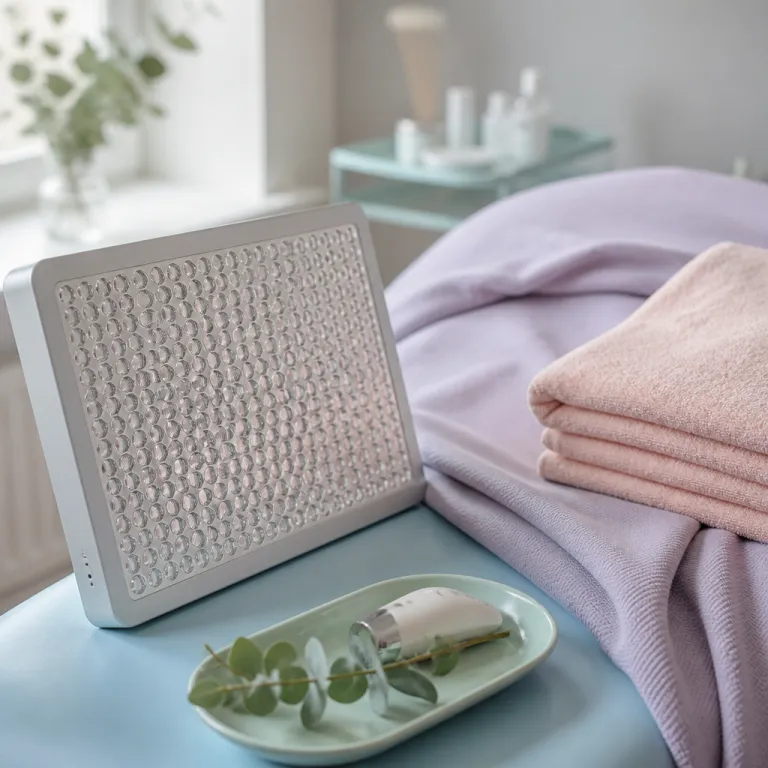
From sports clinics to the red light therapy medical spa hotel
Red light therapy moved quietly from research labs into elite sports clinics before arriving at the modern red light therapy medical spa hotel. In the early stages, researchers focused on how specific light wavelengths red between 630 and 850 nanometres could support muscle recovery and skin health in controlled trials. That same science now shapes the wellness protocols you see in serious medical spa properties worldwide.
Medical Spa Practitioners, researchers, and device manufacturers form a tight ecosystem that defines which therapy models reach the spa floor. Medical Spa Practitioners act as implementers, Researchers as investigators, and Device Manufacturers as suppliers, and together they decide whether a therapy session belongs in a clinical programme or only in marketing copy. When you book a stay, you are stepping into this network of health, wellness, and technology, not just a pleasant spa with soft lighting.
The Global Wellness Institute has highlighted how red light therapy is reshaping performance focused hospitality wellness. Professional sports teams now choose hotels partly for access to full body red light beds, cryotherapy chambers, and hyperbaric oxygen suites that support rapid recovery. That same performance lens now guides the best red light therapy medical spa hotel programmes for executives who want measurable benefits rather than vague relaxation promises.
At its core, light therapy or photobiomodulation uses red and near infrared light to trigger cellular responses without breaking the skin. Non invasive LED devices deliver controlled wavelengths red to mitochondria, aiming to improve skin texture, support hair growth, and accelerate tissue recovery after intensive training or long haul flights. The method is simple, but the difference between a cutting edge medical protocol and a cosmetic gadget lies in dosage, device quality, and how the treatment is sequenced with other therapies.
In serious properties, a physician or medically trained practitioner reviews your health history before prescribing any therapy red protocol. They may combine red light with an infrared sauna, compression boots, or IV infusions to support circulation, detoxification, and energy levels in a structured way. That medical framing is what elevates a stay from generic wellness to a true health wellness retreat with clear objectives and follow up.
What makes a medical grade red light protocol in a hotel
Not every panel that glows red in a spa treatment room qualifies as medical grade light therapy. Serious devices specify their wavelengths red, usually between 630 and 850 nanometres, and publish irradiance data so practitioners can calculate dose per therapy session. Without those numbers, you are buying ambience rather than evidence based treatment.
In a credible red light therapy medical spa hotel, staff can explain why they chose a particular device model and how it fits into your programme. They will reference clinical data, outline how many treatments you need per week, and clarify whether the focus is skin health, muscle recovery, or systemic wellness. When you ask about safety, they should echo the consensus that “Is red light therapy safe? Yes, when used as directed.” and then detail how they monitor your response.
Session structure matters as much as the hardware in any medical spa setting. Many protocols use around ten minutes of exposure per area, three to five times per week, to improve skin texture, reduce fine lines, and support collagen production without downtime. For travellers on shorter stays, physicians may compress this schedule into daily sessions while adjusting intensity to protect the skin and body from unnecessary stress.
Whole body red light beds deliver a uniform dose from head to toe, which suits guests targeting systemic benefits like energy levels, weight management support, or global muscle recovery. Targeted panels, by contrast, concentrate infrared light and red light on specific joints, facial areas, or hair growth zones where higher local doses are needed. The best properties offer both formats, then choose the right tool for each treatment rather than pushing a single signature experience.
Thermal facilities also play a role in how red light is integrated into a wider health wellness circuit. Some medical spa hotels pair an infrared sauna or a dry sauna red cabin with subsequent light therapy to encourage vasodilation before cellular stimulation. If you are curious about how heat affects skin health during a luxury stay, a detailed guide on whether the sauna is good for skin health during a luxury medical spa stay can help you frame the right questions before you book.
From skin rejuvenation to weight loss support: what the evidence really says
For many travellers, the first encounter with red light therapy comes through a facial treatment promising to improve skin tone. Clinical work on wavelengths red around 630 nanometres shows potential to improve skin texture, soften fine lines, and stimulate collagen production when used consistently over several weeks. In a medical spa environment, those same principles are applied with stricter dosing and follow up photography to track real changes in skin health.
Beyond the face, full body protocols aim to support circulation, reduce low grade inflammation, and accelerate recovery after intense training or long flights. Some programmes pair body red light exposure with lymphatic drainage or compression therapy to help manage fluid retention and support weight loss efforts, although the light itself is not a fat melting laser. When a hotel is honest, it will position red light as a supportive tool within a broader weight management and wellness strategy rather than a miracle treatment.
Hair growth is another frontier where medical spa hotels are cautiously integrating light therapy. Targeted infrared light and red light caps or panels are used over the scalp in repeated treatments to support follicle health, often alongside topical or oral medical therapies prescribed by a dermatologist. Guests should expect a long horizon for results, measured in months, and a clear explanation of how the light fits into a multi step hair restoration plan.
Performance focused travellers often care most about muscle recovery and energy levels during compressed business leisure trips. Here, red light therapy is used after strength sessions, long runs, or even extended meetings to support mitochondrial function and reduce delayed onset muscle soreness. Properties that work regularly with athletes will often schedule a therapy session immediately after training, then follow with an infrared sauna or contrast hydrotherapy to complete the recovery arc.
Destination also shapes how these protocols feel in practice for the guest. A wellness retreat hotel in the Balearic Islands, for example, might combine outdoor training, Mediterranean nutrition, and structured red light treatments into a cohesive performance and recovery programme. When you read an elegant guide to the best wellness retreat hotels in the Balearic Islands, look for mentions of physician oversight, device specifications, and clearly defined treatment goals rather than vague promises of glow.
How to read a red light therapy menu like a clinician
When you open a spa menu at a luxury property, the language around red light can range from precise to poetic. Your task is to translate that copy into clinical questions that reveal whether the red light therapy medical spa hotel is serious about outcomes. A few targeted queries at check in can quickly separate cutting edge practice from wellness theatre.
Start with the basics of the device and its intended use on the body or face. Ask which wavelengths red the equipment uses, whether it combines red light and near infrared light, and how they calculate dose per therapy session. If the team cannot answer or defaults to vague wellness language, you are likely dealing with a cosmetic add on rather than a medical protocol.
Next, clarify the treatment structure and expected benefits for your specific goals. For skin focused guests, that might mean a series of facial treatments designed to improve skin texture, reduce fine lines, and support collagen production alongside medical grade topicals. For performance travellers, the emphasis may shift to full body sessions scheduled around training to support muscle recovery, joint comfort, and stable energy levels across meetings.
Integration with other modalities is another marker of a mature programme in any medical spa. Ask whether red light is paired with cryotherapy, IV infusions, or an infrared sauna circuit, and whether a physician or Medical Spa Practitioner oversees the sequence. A structured answer that links each treatment to a health wellness objective signals that you are in a protocol driven environment rather than a menu of disconnected experiences.
Finally, explore how the property handles follow up and data, especially for longer stays. Some hotels photograph skin before and after a course of treatments, track subjective recovery scores, or monitor sleep and energy levels with wearables to measure benefits. If you are planning a refined medical spa stay that also includes aesthetic procedures such as lip injections, a detailed planning guide for a refined medical spa stay for lip injections in Fair Lawn shows how the same principles of preparation, sequencing, and aftercare apply across different treatments.
Where red light therapy fits in a performance and recovery stay
For the business leisure traveller, time is the rarest luxury during any medical spa stay. A well designed red light protocol respects that reality by fitting into a tight schedule while still delivering meaningful recovery and skin benefits. The goal is not to spend hours under panels, but to place short, precise sessions at the right points in your day.
Morning sessions often focus on systemic health wellness and energy levels rather than deep relaxation. A brief full body exposure can be paired with breathwork or light mobility work to prime the body for meetings, flights, or training without leaving you drowsy. Evening sessions, by contrast, may target muscle recovery after workouts or facial treatments that improve skin tone before a dinner or event.
In more advanced programmes, physicians use red light as one element in a layered treatment architecture. A typical sequence might start with cryotherapy to trigger vasoconstriction, move into a sauna red or infrared sauna circuit for controlled vasodilation, then finish with targeted light therapy on joints or the face. Each step is timed and dosed, turning what looks like a spa afternoon into a structured medical recovery protocol.
Weight management guests may see red light integrated around nutrition consultations and low impact training. While the light itself is not a direct weight loss tool, it can support circulation, reduce discomfort that limits movement, and help maintain skin health during body composition changes. Honest hotels will frame red light as a supportive treatment within a broader lifestyle and medical plan, not as a standalone solution.
Looking ahead, the most interesting trend is not more devices, but better integration between Medical Spa Practitioners, researchers, and hotel wellness teams. As clinical data on specific wavelengths red, treatment durations, and long term outcomes grows, protocols will become more personalised and precise for each guest. For travellers, that means a red light therapy medical spa hotel stay will feel less like a spa experiment and more like a tailored health programme that respects both your time and your ambitions.
FAQ
Is red light therapy safe during a hotel stay
When administered with medical grade devices and proper protocols, red light therapy is considered safe for most healthy adults. Hotels that work with Medical Spa Practitioners follow established guidelines on exposure time, eye protection, and contraindications. Guests with active skin diseases, photosensitivity, or complex medical histories should always seek a physician consultation before starting treatments.
How often should I schedule red light treatments on a short trip
Most clinical protocols use three to five sessions per week for optimal results, which aligns well with a typical business leisure stay. On a three night trip, you might schedule one full body session on arrival, then two targeted treatments for skin or muscle recovery on subsequent days. The key is consistency across the stay rather than very long single sessions.
What conditions can red light therapy address in a medical spa hotel
Evidence based uses include support for skin ageing, mild inflammatory pain, and post exercise muscle recovery when combined with appropriate training and rest. Some programmes also integrate red light into hair growth protocols or weight management plans as a supportive modality. A responsible property will always clarify that light therapy complements, rather than replaces, conventional medical care.
How do I know if a hotel uses medical grade devices
You can ask the spa or medical team for the device brand, wavelengths used, and whether the equipment is cleared by regulators such as the FDA for specific indications. Staff should be able to explain how they calculate dose per therapy session and why they chose that model for skin, body, or hair focused treatments. If they cannot provide these details, the device is likely cosmetic rather than clinical.
Should I combine red light therapy with other spa treatments
Combining red light with other modalities can enhance results when done under professional guidance. Common pairings include facials for skin health, massage for muscle recovery, and thermal circuits such as an infrared sauna to support circulation. Always ask the medical spa team to design a sequence that matches your health goals and respects any medical limitations.