Why a therapeutic fasting medical spa is not a juice cleanse
At a serious therapeutic fasting medical spa, the fast begins in the doctor’s office, not at the juice bar. Your individual fasting plan is built around your medical history, current laboratory results and how your cardiovascular and metabolic systems actually respond to stress. This is where fasting becomes a clinical tool rather than a lifestyle performance, and where a structured therapeutic fasting programme replaces improvised wellness experiments.
In leading fasting clinics, physicians distinguish between short fasting days for metabolic reset and longer therapeutic fasting retreats aimed at specific health goals such as hypertension, insulin resistance or joint pain. They assess cardiovascular risk, existing blood pressure or diabetes medication, previous fasting experiences and your relationship with solid food before approving any fasting cure. A good clinic treats fasting as a medical intervention that can influence every organ system, not as a casual wellness challenge or a glorified juice cleanse.
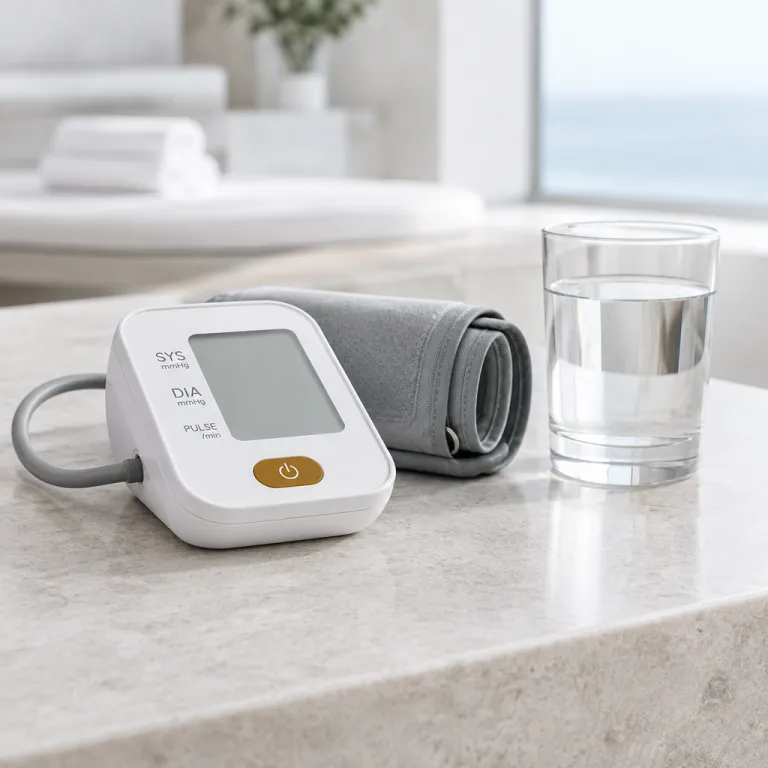
Guests quickly notice the difference between a spa hotel offering light detox menus and a clinic that runs full therapeutic fasting protocols. At a luxury property with a medical focus, nurses track your blood pressure, hydration status and sleep quality throughout the fasting days, often at least twice daily. That level of supervision allows fasting’s therapeutic benefits to emerge while keeping safety at the centre of the experience and reducing the risk of complications such as severe hypotension or electrolyte imbalance. As one cardiologist at a European fasting clinic summarises it, “The juices and broths are the easy part; the real work is in the monitoring, the dose of fasting and knowing when to stop.”
Inside the protocol: buchinger, Mayr and alkaline fasting in practice
Most therapeutic fasting medical spa programmes draw on three main European traditions that have been refined over decades. The first is the Buchinger fasting method, developed as a structured therapeutic fasting cure using vegetable broths, diluted juices, herbal teas and careful reintroduction of solid food. At clinics such as Buchinger Wilhelmi on Lake Constance, typical programmes last 7–21 days, with daily medical rounds and standard lab panels that often include complete blood count, electrolytes, kidney and liver function and fasting glucose. Observational data from this setting, for example analyses of several thousand participants over multi-day fasts, report improvements in weight, blood pressure and subjective well-being with low rates of serious adverse events when protocols are followed.
The second is the Mayr cure, which focuses on digestive rest, abdominal treatments and training guests to chew slowly to protect long term gut health. Mayr physicians frequently combine mild calorie restriction with manual abdominal therapy, posture work and breath training to reduce bloating and support parasympathetic tone. The third pillar is alkaline fasting, where the clinic removes acid forming foods and uses plant based broths and mineral rich vegetables to support kidney function during lighter fasting days. At a high level spa hotel, these approaches are not sold as trends but as medical programmes with clear indications and contraindications, documented in written protocols and informed consent forms that reference internal guidelines and published fasting medicine literature.
In practice, that means your fasting programme might start with two preparation days, then several structured fasting days, followed by a refeeding phase with carefully portioned solid food. During this time, the medical équipe adjusts your fasting plan if blood tests, blood pressure readings or energy levels suggest the body needs more support, for example when systolic blood pressure drops below an agreed threshold or dizziness persists despite hydration. Many clinics also use pragmatic safety cutoffs drawn from internal audits and general medical standards, such as modifying the protocol if weight loss approaches roughly 1 kg per day over several days or if potassium moves outside the laboratory’s reference range. If you are also considering aesthetic procedures such as injectables or advanced facials, clinics will coordinate timing with any treatment that affects facial tissues, often referring guests to guidance on how to safely enjoy a spa facial after Botox during a luxury medical stay so that cosmetic care and fasting do not interfere with each other.
What physician supervision really adds to a fasting retreat
Clinical supervision is what separates a therapeutic fasting medical spa from a wellness retreat that simply serves less food. On arrival, you undergo a full medical intake, with blood work, blood pressure checks and sometimes imaging at clinics that specialise in screening vacation concepts. At properties where a full body MRI or ultrasound is your first appointment, fasting clinics can tailor the fasting plan to organ function, musculoskeletal issues and even early metabolic changes such as fatty liver or prediabetes.
During the fasting retreat, doctors and nurses monitor how your body responds to the absence of solid food over several days. They track blood markers, adjust mineral supplementation and watch for warning signs that a fasting cure should be paused, such as arrhythmias, severe dizziness or uncontrolled hypertension. Many centres use simple thresholds, for example stopping or modifying the fast if heart rate exceeds a set limit at rest, if potassium drifts outside the normal range defined by their laboratory or if weight loss exceeds about 1 kg per day for several consecutive days. This level of observation allows therapeutic fasting to be extended safely for guests who tolerate it well, while shortening the fasting days for those whose health goals are better served by a modified programme.
Supervision also protects people who should not fast at all, including those with certain eating disorders, advanced kidney disease or unstable cardiovascular conditions. A responsible spa hotel clinic will decline to run a fasting therapeutic protocol if the medical risk outweighs potential wellness benefits. As one internist at a European fasting clinic explains, “Our job is not to push people to fast, but to decide who can fast safely, for how long and under which monitoring schedule.” This gatekeeping is part of the value you pay for in a luxury setting, and it is the reason serious travellers now seek out screening focused medical spa hotels where diagnostics lead and the programme follows.
From lake Constance to global clinics: how leading centres run fasting safely
Among therapeutic fasting medical spa destinations, the clinics around Lake Constance have set a reference standard for structured fasting cures. At Buchinger Wilhelmi on the German shore, the Buchinger fasting method is delivered as a fully medical programme with daily rounds, laboratory monitoring and psychological support. Published observational data from this clinic describe improvements in weight, blood pressure and subjective well being in thousands of guests over multi day fasts, with low rates of serious adverse events when protocols are followed. Guests follow a structured fasting plan that may include herbal teas, vegetable broths and gentle movement, with every element calibrated to protect blood pressure stability, electrolyte balance and organ function.
The same region hosts Mayr clinics where the Mayr cure is integrated into broader wellness and medical diagnostics. Here, fasting clinics may prescribe shorter fasting days combined with abdominal treatments, breathing exercises and posture work to support the body’s healing capacity and reduce abdominal pressure. A typical day might include morning lab checks, a physician consultation, supervised chewing training at breakfast and guided walks instead of vigorous exercise. Across these properties, luxury is expressed less through marble and more through the depth of clinical attention, from cardiology consults to nutrition sessions that translate fasting therapeutic insights into long term eating patterns and realistic lifestyle changes.
Internationally, serious spa hotel clinics borrow from these models while adapting to local regulations and medical cultures. Some focus on weight loss and metabolic health goals, others on autoimmune conditions, burnout or mild depression, but all credible centres share a commitment to evidence based protocols and documented safety procedures. For travellers comparing options, the most reliable signal is the presence of a multidisciplinary medical équipe and transparent information about how the fasting programme is supervised from the first blood test to the final plate of solid food, including how often vital signs are checked, which lab panels are repeated and what happens if you do not tolerate the fast.
Refeeding, realistic results and how to choose your medical spa hotel
The refeeding phase is where a therapeutic fasting medical spa either consolidates your gains or quietly erases them. After several fasting days, the digestive system needs a gradual return to solid food, starting with small portions, simple textures and careful chewing. Clinics that respect this physiology design a stepwise fasting cure exit, often over three to five days, to protect blood sugar stability and digestive comfort. Many use written meal plans that increase caloric intake by roughly 200–300 kcal per day, with close attention to fibre, protein and sodium to avoid rebound oedema or gastrointestinal distress.
Realistic outcomes from a supervised fasting programme include modest weight loss, improved insulin sensitivity and lower blood pressure in selected guests, particularly those with mild metabolic syndrome. The more important shifts are often invisible, such as changes in inflammatory markers or a reset in appetite regulation that supports long term health goals. In one frequently cited observational study from a German fasting clinic, participants completing a 10 day Buchinger style fast showed reductions in systolic blood pressure and improved subjective energy levels at follow up, with safety parameters such as electrolytes and kidney function remaining within reference ranges for the vast majority of participants. A good fasting retreat will help you translate these results into everyday routines, sometimes linking fasting therapeutic insights with other medical spa strategies, such as evidence based facial protocols that soften expression lines during travel without undermining systemic health, as explored in guides to how luxury medical spa hotels help soften eleven lines while you travel.
When choosing a spa hotel or clinic, prioritise medical depth over wellness theatre. Look for fasting clinics that explain their therapeutic framework, specify who should not fast and publish clear information about physician supervision, blood monitoring and emergency protocols, including when they would terminate a fast or transfer a guest to hospital care. In a market crowded with retreats, the properties that treat fasting as a clinical tool rather than a marketing hook are the ones most likely to protect both your health and your investment, while still delivering a restorative and carefully curated experience.
FAQ
How many days should a supervised fasting programme last at a medical spa ?
Most therapeutic fasting medical spa stays run between seven and fourteen days, including preparation and refeeding. Clinics usually dedicate four to ten fasting days to the core protocol, then allocate several days to a gradual return to solid food. At centres following Buchinger style methods, a common pattern is two light preparation days, five to ten fasting days and three structured refeeding days, but the exact duration depends on your health goals, baseline medical status and how your body responds to the first days of fasting.
Who should avoid a therapeutic fasting retreat altogether ?
People with unstable cardiovascular disease, advanced kidney or liver failure, certain psychiatric conditions and active eating disorders should not undertake a fasting cure. Reputable fasting clinics screen for these issues during the medical intake and will decline to run a fasting programme if the risk is too high, for example when ejection fraction is severely reduced, blood pressure remains uncontrolled despite medication or recent weight loss has already been rapid and unintentional. Pregnant or breastfeeding guests are also generally advised to avoid therapeutic fasting and focus on tailored nutrition instead.
Can supervised fasting help with long term weight loss ?
A supervised fasting plan can trigger short term weight loss and improve metabolic markers such as fasting glucose and blood pressure, particularly when combined with education on nutrition and movement. Long term weight management depends on how well you integrate the clinic’s nutrition guidance and physical activity recommendations once you leave. The most effective fasting retreats emphasise sustainable eating patterns, realistic calorie targets and regular follow up rather than repeated cycles of intensive fasting days without behavioural change.
What does daily life look like during a clinical fasting cure ?
During a fasting therapeutic stay, your days usually follow a structured rhythm of medical checks, light movement, rest and low intensity wellness treatments. You may receive vegetable broths, herbal teas or diluted juices at set times instead of regular meals, with nurses monitoring your blood pressure and overall function, often morning and evening. Gentle walks, hydrotherapy and educational talks often replace more strenuous activities to respect the body’s reduced energy intake, and many clinics schedule quiet hours to encourage sleep and psychological recovery.
How is a medical spa fasting clinic different from a standard wellness retreat ?
A medical spa fasting clinic is built around physician led protocols, diagnostic testing and clear safety criteria, while a standard wellness retreat may focus more on relaxation and generic detox menus. In a clinical setting, doctors adjust the fasting plan based on blood results, symptoms and medication needs, and they can stop the cure if complications arise or if contraindications emerge during the stay. This medical oversight is what allows therapeutic fasting to be used as a targeted intervention rather than a one size fits all wellness experiment, and it is why credible centres publish their medical leadership, monitoring schedules and inclusion criteria.