From scented candles to sleep science: why the spa floorplan is changing
Luxury travelers booking a sleep science medical spa hotel are no longer satisfied with dim lights and herbal tea. They want measurable changes in sleep quality, nervous system regulation and long term health, and medical spa hotels are quietly redesigning their floors to deliver that. This shift from ornamental relaxation lounges to fully equipped sleep laboratories reflects a simple reality: without deep, well structured night sleep, every other treatment on the programme underperforms.
For guests, the new question is not whether a hotel has a pretty spa, but whether it can run a clinically robust sleep study while still feeling like a refined retreat. The most advanced properties now integrate polysomnography sessions into multi night stays, using clinical grade studies of brain waves, oxygen saturation, movement and heart rate variability to map each patient’s sleep wake cycles. That data then shapes everything else on the schedule, from nutrition timing and water intake to exercise intensity, infrared sauna protocols and even the exact bed configuration in the room.
Medical spa hotels and their clinical équipes have understood that sleep medicine is no longer a niche specialty; it is the backbone of health wellness programming. When a guest checks into a sleep science medical spa hotel, the physician is as interested in core body temperature curves and REM sleep density as in blood panels or genetic tests. As sleep specialist Michael Breus has argued in interviews on sleep optimisation, consistent, high quality sleep underpins metabolic health, mood and cognitive performance, which is why these properties now treat sleep architecture as a primary clinical endpoint rather than a side benefit.
The market context is clear. Millions of adults live with undiagnosed sleep disorders, and the Cleveland Clinic’s Sleep Disorders Overview (2021) estimates that roughly 50 million adults in the United States alone are affected by conditions such as insomnia, sleep apnoea and restless legs syndrome. For a growing group of health conscious travelers, a hotel without serious sleep treatments feels incomplete, no matter how many hydrotherapy pools or spa treatments it offers. That is why the most ambitious hotels are reallocating square metres from generic lounges to cutting edge sleep laboratories that can run repeat sleep studies every month a guest returns.
Inside the sleep lab suite: clinical data in a room that still feels like a hotel
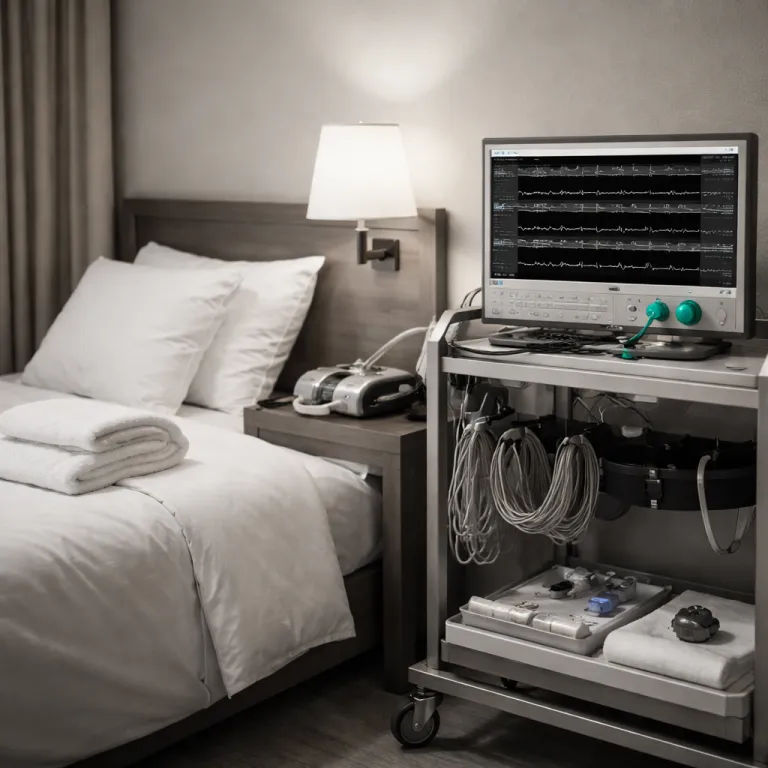
Walk into a next generation sleep science medical spa hotel and the most interesting room is no longer the corner suite with the best view. It is the sleep laboratory that looks, at first glance, like an understated high end bedroom, with a generous bed, layered textiles and acoustically isolated walls. Hidden in the design are clinical sensors that turn a single night sleep into a full sleep study without stripping away the comfort you expect from top tier hotels.
Polysomnography equipment tracks brain activity, breathing, limb movement and core body temperature while discreet cameras and motion sensors map physical restlessness. During these sessions, physicians trained in sleep medicine watch how your nervous system behaves across light sleep, deep sleep and REM sleep, and how your sleep wake rhythm responds to circadian lighting. The result is a detailed profile of your sleep quality that goes far beyond what consumer wearables or casual studies at home can provide.
What makes this compelling for travelers is the integration with the rest of the spa and medical offering. A guest might spend the afternoon in an infrared sauna session calibrated to avoid raising body temperature too close to bedtime, then move to targeted spa treatments that reduce muscular stress without overstimulating the nervous system. In parallel, nutritionists adjust evening meals and water intake, while physicians fine tune treatment timing so that every intervention supports better sleep and improved sleep continuity rather than disrupting it.
Some properties already known for performance focused stays, such as Equinox Hotel in New York and the wider Equinox Hotels group, have pioneered elements of this approach with dark, cool rooms and serious sleep amenities. A sleep science medical spa hotel goes further by embedding full diagnostic capability into that same level of comfort, turning each stay into a structured health wellness experiment. At one European alpine medical spa, for example, guests who return every few months undergo repeat polysomnography, with clinicians adjusting exercise intensity and evening heat exposure based on how previous stays affected REM sleep stability and next day recovery.
For solo travelers comparing options, this is where due diligence matters. Ask whether the hotel runs formal sleep study protocols or simply markets “sleep friendly” rooms, and whether sessions are supervised by qualified clinicians or outsourced to generic wellness staff. When you see references to evidence based protocols such as NAD IV therapy in medical spa hotels, as outlined in serious intravenous therapy programmes and similar clinical guidance, you are usually looking at a property that understands the difference between spa theatre and medical grade treatment.
Invisible wellness: how design engineering quietly upgrades your night sleep
The most sophisticated sleep science medical spa hotel does not shout about wellness at every turn. Instead, it engineers invisible layers of support so that every night sleep feels unusually restorative, even before you step into a lab for a formal sleep study. This is where circadian lighting, acoustic isolation and meticulous bed design quietly outperform any scented candle or generic relaxation lounge.
Guest rooms in these hotels are effectively mini laboratories for sleep quality, with blackout systems that eliminate stray light, ventilation that keeps core body temperature in the ideal range and mattresses selected after an initial assessment of body type and physical complaints. Some properties in the Seasons Hotel family, and competitors studying their model, are experimenting with pillow menus and bed bases that can be adjusted after the first night’s data, turning the bed itself into a personalised treatment device. Over time, repeat guests form a data rich group whose aggregated studies help the medical spa refine protocols for different chronotypes and stress profiles.
Public areas are also being reimagined. Instead of vast relaxation lounges where patients sip water and scroll their phones between spa treatments, you now see smaller, quieter recovery rooms designed around sleep wake biology, with light levels, soundscapes and seating that encourage short, high quality rest sessions. These spaces support the nervous system without pushing guests into full sleep, preserving deep sleep for the night when it matters most for health, body repair and improved sleep architecture.
This design led approach aligns with a broader shift in how medical spa hotels position themselves within healthcare infrastructure. As analysed in depth in this piece on medical spas as part of a new healthcare ecosystem, European properties in particular are moving beyond pampering to become extensions of preventive medicine. A sleep science medical spa hotel that can run rigorous sleep studies, adjust treatments based on data and coordinate with external physicians is no longer just a hotel; it is a node in a long term health strategy.
For the traveler, the practical question is how this invisible wellness translates into felt experience. You might notice that stress levels drop more quickly than on previous spa trips, that you wake without an alarm, or that physical recovery from exercise sessions feels faster. Those are subjective signals, but behind them sit hard numbers from sleep medicine diagnostics that give both you and your clinicians confidence that the treatment plan is working.
From one stay to a longitudinal sleep study: why data keeps guests coming back
The real power of a sleep science medical spa hotel emerges not on the first visit, but on the third or fourth. Each stay adds another night sleep or series of nights to your personal sleep study, creating a longitudinal record that most hospitals would struggle to assemble for healthy patients. Over months and seasons, clinicians can see how stress, travel, ageing and lifestyle shifts reshape your sleep wake patterns and overall health.
For solo travelers who return to the same hotel group, this continuity is invaluable. A physician can compare polysomnography studies from different seasons, correlate them with changes in body composition, physical performance and subjective experience, then adjust treatments accordingly. Hormone protocols, exercise sessions, water immersion therapies and even the timing of infrared sauna use can be recalibrated to support better sleep, more stable REM sleep and a calmer nervous system.
From the hotel’s perspective, reallocating space from static relaxation lounges to adaptable sleep laboratories is a strategic decision grounded in both health outcomes and loyalty. Guests who see tangible improvements in sleep quality and daytime energy are far more likely to return every few months, turning a one off spa experience into a structured health wellness partnership. In internal benchmarking shared by several European wellness groups with industry analysts, properties that added diagnostic sleep laboratories reported repeat visit rates in the range of 15–25% higher than comparable hotels that kept only traditional spa lounges, suggesting that better sleep outcomes translate directly into commercial performance.
Travelers should also pay attention to how these properties integrate adjacent therapies. A serious sleep focused programme will consider how skin focused heat therapies, such as those discussed in this guide to sauna use during luxury medical spa stays, interact with body temperature regulation before bed. It will also be transparent about which elements are grounded in robust studies and which are still experimental, echoing the evidence first mindset championed by clinicians like Michael Breus in the wider conversation about sleep optimisation.
For you as a guest, the decision to book into this kind of hotel is ultimately about priorities. If you want a few pleasant spa treatments and a pretty pool, almost any high end hotel will do. If you want to improve sleep in a way that shows up in your lab results, your physical performance and your long term health trajectory, then choosing a medical spa hotel that invests in sleep laboratories rather than ornamental lounges is the most rational move you can make.
Key figures shaping the rise of sleep laboratories in medical spa hotels
- Approximately 50 million adults in the United States live with sleep disorders, according to the Cleveland Clinic’s Sleep Disorders Overview (2021), which helps explain why medical spa hotels see strong demand for clinically supervised sleep studies during wellness stays.
- Industry analysts tracking wellness tourism report that properties integrating diagnostic sleep medicine into their spa treatments achieve repeat visit rates that are typically 15–25% higher than hotels offering only traditional relaxation lounges, a pattern echoed in Global Wellness Institute commentary on sleep focused programming and loyalty.
- Global wellness reports indicate that nervous system regulation and circadian lighting design have moved from niche features to standard considerations in new spa hotel projects, reinforcing the shift toward sleep quality as a core metric of programme success.
- Medical spa hotels that collaborate with sleep research organisations and invest in polysomnography equipment typically allocate several hundred thousand euros per project—often in the €250,000–€400,000 range for multi room labs and monitoring software—based on cost ranges cited in hotel design trade publications and supplier estimates, signalling a long term commitment to cutting edge sleep laboratories rather than short lived wellness trends.
References
- Cleveland Clinic – Sleep Disorders Overview (2021) and related epidemiology and clinical guidance on sleep disorders and sleep medicine.
- Global Wellness Institute – reports on wellness tourism, spa design and health wellness trends, including sleep focused programming and diagnostic spa models.
- Hotel Designs and Elite Traveler – analyses of circadian lighting, nervous system focused programmes and luxury hotel wellness innovation, with case studies from leading medical spa hotels and commentary on build costs for sleep laboratories.