Raindrop treatment as a signature ritual in luxury medical spas
Raindrop treatment has become a refined ritual in many luxury medical spas that cater to international travelers. In these settings, raindrop therapy is presented as a structured wellness journey rather than a simple massage, with every step explained and documented for guests who value transparency. For a premium booking website, clearly outlining how the raindrop technique fits into a wider therapy program helps travelers compare options with confidence.
The method was originally developed by D. Gary Young and later promoted through Young Living, and many high end properties still reference this heritage in their spa menus. In practice, the therapy raindrop protocol involves a specific order of essential oils applied along the spine, often combined with feather stroking movements and light massage therapy on the back and feet. Luxury medical spas translate this raindrop technique into curated sessions that integrate medical oversight, aromatherapy massage, and post treatment monitoring for people compromised by chronic conditions.
Because undiluted essential oils are sometimes used in raindrop treatment, reputable clinics now emphasize safety briefings and patch tests before the session. Medical spa teams explain that undiluted essential applications can increase the risk of irritation for sensitive oils skin, so they frequently introduce a carrier oil to adapt the original technique raindrop to modern dermatological standards. On a booking platform, highlighting which properties use undiluted essential oil and which dilute essential oils in a carrier oil allows guests to align the therapy with their own health priorities.
How raindrop therapy is structured from check in to post session care
For travelers booking a medical spa stay, understanding the full raindrop therapy journey is essential to setting realistic expectations. A well designed booking page should outline each stage of the session, from consultation to aftercare, so guests can see how the oils raindrop applications integrate with other clinical services. This level of detail reassures people compromised by back pain or inflammation that the spa has a coherent protocol rather than an improvised massage.
The session usually begins with a health intake where a practitioner reviews medical history, current medication, and any skin sensitivities. Guests are informed that essential oils will be applied in a specific order along the spine and feet, and that some products may be used undiluted essential, which can be more intense on the skin. Many luxury medical spas now offer a choice between the traditional raindrop technique and a gentler aromatherapy massage version where each essential oil is blended into a carrier oil to protect delicate skin.
During the massage, the therapist uses feather stroking and other light technique raindrop movements to distribute the essential oils along the back and legs. Some guests report a warming sensation or temporary tingling as the oils applied begin to absorb into the body and muscles. After the session, premium properties often provide a quiet relaxation area, hydration, and written guidance on sleep, stress management, and muscle tension care to extend the potential healing benefits beyond the treatment room.
Essential oils, safety claims, and informed consent for spa guests
One of the most important roles of a luxury booking website is to help travelers navigate the complex world of essential oils and safety claims around raindrop treatment. The original protocol used undiluted essential oils along the spine, which some practitioners still follow, while others adapt the therapy with more conservative dilution in carrier oil. Guests should be able to see, before they book, whether a property uses undiluted essential oil or diluted essential oils, and how they protect sensitive oils skin.
Medical spa teams must also address the ongoing debates about health outcomes linked to raindrop therapy. Some marketing materials have made bold claims about spinal alignment, immune support, or pain relief, but responsible properties now clarify that these are potential wellness benefits rather than guaranteed medical results. On a trustworthy platform, every claim about aromatherapy, healing, inflammation reduction, or stress relief should be balanced with clear language about limits and the absence of conclusive clinical evidence.
Guests also deserve transparency about brand affiliations such as Young Living and the use of living essential products in the raindrop technique. A premium listing can specify which essential oils are used, how many drops are applied in each session, and what patch testing is offered for people compromised by allergies. To support informed consent, many medical spas now include the following statement in their pre treatment materials : “Is Raindrop Therapy safe? Safety is debated; undiluted oils may cause skin irritation.”
Designing medical spa stays that integrate raindrop technique and clinical comfort
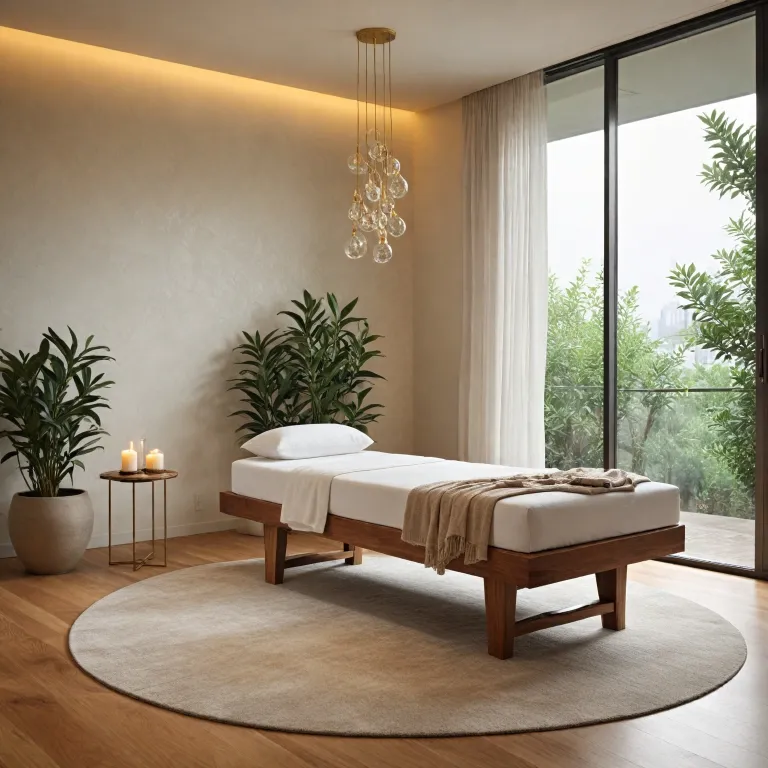
For travelers, the appeal of raindrop treatment often lies in the combination of clinical reassurance and sensory pleasure. Luxury medical spas respond by designing spaces where the massage table, lighting, and temperature all support relaxation while still allowing staff to monitor health indicators. A well curated booking website can highlight these design details so guests understand how raindrop therapy fits into a broader body and mind program.
Many properties now invest in advanced spa chairs and ergonomic tables that support the spine during the raindrop technique, especially for guests with chronic pain. If you want to understand how equipment affects comfort during therapy raindrop sessions, a detailed guide on the right medical spa chair can be helpful, and resources such as how the right medical spa chair elevates every luxury med spa stay provide useful context. These design choices matter because the oils applied along the spine, combined with feather stroking and aromatherapy massage, can feel more intense if the body is not properly supported.
Premium medical spas also consider how raindrop therapy interacts with other services such as physiotherapy, dermatology consultations, or sleep coaching. For example, a guest might schedule a raindrop session to address muscle tension and stress, followed by a skin assessment to ensure that essential oils have not triggered irritation. Booking platforms that allow guests to build such multi step itineraries, with clear timing between each session, help ensure that the body has adequate rest and that any inflammation or discomfort is promptly addressed.
Personalization, contraindications, and expectations for people with compromised health
Travelers with complex health profiles often turn to luxury medical spas because they expect a higher level of personalization and clinical oversight. For these guests, raindrop treatment must be carefully adapted, especially when people compromised by autoimmune conditions, pregnancy, or recent surgery are involved. A premium booking website should therefore present detailed contraindication lists and encourage guests to share medical records before confirming a therapy raindrop session.
Personalization can include adjusting the specific order of essential oils, changing the pressure of the massage, or shortening the session length to reduce fatigue. Some guests may prefer that only diluted essential oils are used, while others might request that certain essential oil ingredients be omitted entirely due to allergies or medication interactions. By clearly stating how the raindrop technique can be modified, medical spas help guests align expectations around pain management, sleep quality, and stress relief.
It is also important to address common misconceptions, such as the belief that raindrop therapy can correct structural spinal issues or cure scoliosis. Responsible properties explain that the technique raindrop may support relaxation, reduce perceived muscle tension, or contribute to a sense of healing, but it does not replace medical treatment. Booking platforms that highlight this balanced messaging, while still emphasizing the sensory pleasure of oils raindrop applications on the skin and body, build long term trust with discerning travelers.
Evaluating raindrop treatment options on a luxury booking website
When comparing medical spas online, travelers should look beyond the poetic language often used to describe raindrop treatment. A credible booking platform will provide structured information about the session length, the number of essential oils used, whether they are undiluted essential or blended with carrier oil, and what aftercare is recommended. This allows guests to evaluate how each property manages potential inflammation, skin sensitivity, and stress reduction.
Detailed listings might also specify whether the spa uses Young Living products or other living essential brands, and how therapists are trained in the raindrop technique. Guests can then compare how different properties integrate aromatherapy massage, feather stroking, and massage therapy into a coherent protocol that respects both comfort and safety. Reviews that mention outcomes such as improved sleep, reduced muscle tension, or temporary pain relief can be helpful, but they should be read as individual experiences rather than universal guarantees.
Finally, travelers should pay attention to how each medical spa communicates about claims and limitations. Transparent properties will state that essential oils and raindrop therapy are complementary wellness tools, not substitutes for medical care, and they will encourage guests with compromised health to consult their physician before booking. By using a luxury booking website that foregrounds this level of detail, travelers can choose a raindrop treatment that aligns with their body, their skin, and their personal approach to health.
Key statistics related to raindrop treatment in medical spas
- Reported adverse reactions linked directly to raindrop therapy in the reference dataset : 0 documented cases, although safety concerns remain under discussion.
- Raindrop technique emerged as an alternative aromatherapy massage approach in the late twentieth century and gained wider spa adoption in the following decade.
- Industry observers note increased scrutiny over safety and ongoing debates on effectiveness, especially regarding undiluted essential oils applied along the spine.
Frequently asked questions about raindrop therapy in luxury medical spas
Is Raindrop Therapy safe?
Is Raindrop Therapy safe? Safety is debated; undiluted oils may cause skin irritation. Luxury medical spas typically mitigate this risk by performing patch tests, using carrier oil for dilution when appropriate, and closely monitoring people compromised by allergies or chronic skin conditions. Travelers should review each spa’s safety protocol on the booking website and consult their physician before scheduling a session.
Does Raindrop Therapy cure scoliosis?
Does Raindrop Therapy cure scoliosis? No scientific evidence supports this claim. While some guests report temporary relief from muscle tension or stress after a raindrop treatment, reputable medical spas present the therapy as a complementary wellness experience rather than a structural correction for the spine.
Are essential oils used undiluted?
Are essential oils used undiluted? Yes, which raises safety concerns. Many contemporary luxury medical spas adapt the original raindrop technique by diluting essential oils in a carrier oil for sensitive skin, and they clearly state on booking pages whether undiluted essential applications are still part of the protocol.