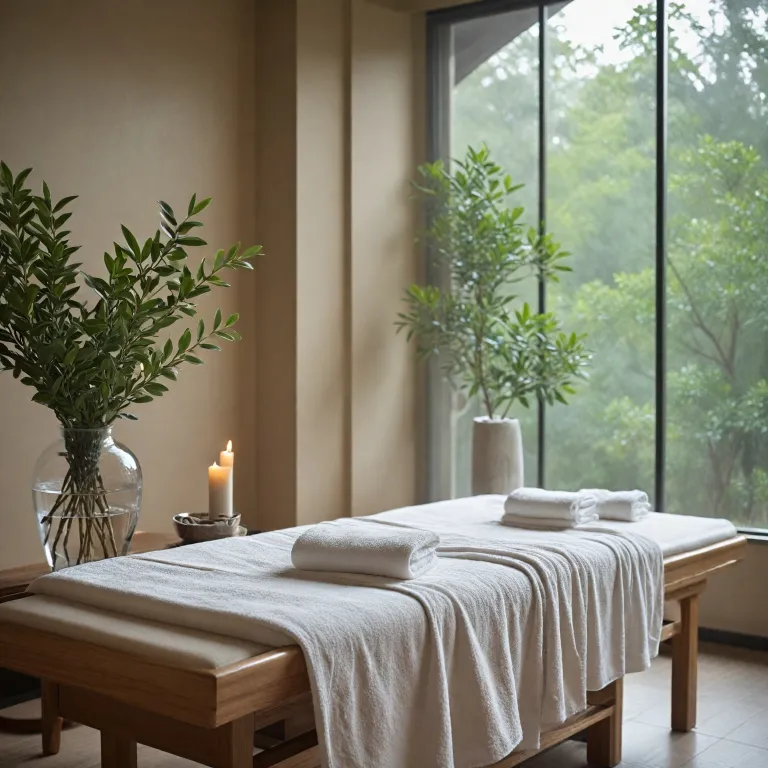
Raindrop massage as a signature of refined medical spa travel
Raindrop massage has quietly become a signature ritual in luxury medical spas. In high end clinics, this therapy is framed as a sensory journey that complements evidence based treatments rather than replacing them. For travelers, it offers a structured way to pause between consultations and let the body integrate clinical care.
At its core, raindrop therapy is a massage therapy protocol that combines essential oils with a precise technique massage sequence. The therapist uses a series of feather stroking movements along the spine and feet, applying each essential oil in a defined order. Sessions are usually timed in a series of stages, often lasting around 60 to 90 min depending on the medical spa’s services and assessment.
The method was created by D. Gary Young of Young Living Essential Oils, and many medical spas still reference this heritage when curating their raindrop technique menu. In these settings, therapists explain that “The Raindrop Technique is a massage therapy that combines the application of essential oils with specific massage techniques to promote relaxation and balance.” Guests are encouraged to read detailed protocols before booking, especially when undiluted essential oils or undiluted essential blends are used on sensitive skin. This transparency helps align expectations for people compromised by recent procedures or chronic conditions.
Because the oils applied are often concentrated, reputable properties insist on patch testing and the use of a suitable carrier oil when needed. They also clarify that “As of now, there is no scientific evidence to support the claims surrounding the Raindrop Technique and its potential benefits.” In a luxury context, that honesty builds trust while still allowing guests to enjoy the ritual for relaxation, sleep support, and perceived immune system balance.
How raindrop therapy is adapted for guests with medical needs
Luxury medical spas increasingly adapt raindrop therapy for travelers arriving after dermatology, orthopaedic, or aesthetic appointments. Pre arrival questionnaires ask about health history, medications, and whether people compromised by immune conditions have received medical clearance. This careful screening shapes how oils specific to the protocol are used, and whether any oils directly on the spine should be replaced with gentler alternatives.
In premium properties near major clinics, raindrop massage is often scheduled as part of a wider recovery series. Guests may alternate massage therapy with lymphatic drainage, light based treatments, or sleep optimisation consultations, each lasting a defined number of min. In destinations such as Dubai, refined medical spa stays near clinics often highlight integrated wellness programs around medical spa services, where raindrop technique sessions are framed as optional, comfort focused add ons.
Therapists trained in therapy raindrop protocols are taught to respect the skin barrier, especially after peels, lasers, or injectables. They may dilute essential oil blends in a neutral carrier oil to reduce the risk of irritation from undiluted essential formulas. This is particularly important because “Applying undiluted essential oils to the skin can result in serious irritation. It's important to consult with a qualified practitioner before undergoing the Raindrop Technique.”
For guests, the most reassuring properties provide written explanations of each oil, how the immune system is thought to respond, and why feather stroking and Vita Flex techniques are used. They also clarify that “The Raindrop Technique aims to restore balance and harmony to the body, enhance immune function, relieve muscle tension, and promote relaxation.” Even while acknowledging the lack of robust evidence, this level of detail helps travelers make informed choices about which services best support their body and sleep during a medical stay.
Understanding the raindrop technique: from oils to feather stroking
For travelers comparing medical spa menus, understanding the raindrop technique helps decode what is actually happening on the table. A classic session begins with Vita Flex work on the feet, where the therapist uses a rolling technique massage to stimulate points believed to correspond to the spine and organs. Essential oils are then layered in a specific series, with each oil applied in drops along the back like a gentle raindrop before being spread with feather stroking movements.
Many protocols use Young Living essential oils such as oregano, thyme, basil, cypress, wintergreen, marjoram, lavender, peppermint, black spruce, and frankincense. These essential oils are sometimes used undiluted, which is why high end medical spas emphasise informed consent and the possible need for a carrier oil on sensitive skin. Guests with reactive oils skin or a history of allergies should request that oils specific to their triggers be removed or diluted, and that no oils directly contact compromised areas.
Some luxury properties pair raindrop therapy with heat, using warm compresses to encourage absorption of each essential oil into the upper layers of the skin. Others integrate the ritual into broader wellness journeys, such as curated medical spa stays in coastal destinations. In these programs, raindrop massage may be offered after clinical check ups, helping guests shift from analytical discussions about health to a more sensory focus on the body.
Because “The Raindrop Technique was developed by D. Gary Young, founder of Young Living Essential Oils, in 1989.”, some travelers specifically seek properties that use original living essential formulations. Others prefer medical spas that adapt the protocol with different brands, lower concentrations, or shorter 45 min sessions. In both cases, the most trustworthy venues explain clearly how raindrop therapy fits within their overall services, and how it may or may not support immune system resilience, muscle comfort, and sleep quality.
Safety, skin sensitivity, and informed choices for spa guests
Safety is the central concern when raindrop massage appears on a medical spa booking website. Because the protocol traditionally uses undiluted essential oils, it carries a higher risk of irritation than standard massage oil blends. Travelers with sensitive skin, a history of eczema, or recent dermatological procedures should read the spa’s safety notes carefully before confirming any therapy raindrop session.
Responsible properties highlight that “Are there any risks associated with the Raindrop Technique? Applying undiluted essential oils to the skin can result in serious irritation. It's important to consult with a qualified practitioner before undergoing the Raindrop Technique.” They also explain how they adapt the raindrop technique for people compromised by autoimmune conditions, pregnancy, or strong medication. This may include shorter 30 to 45 min sessions, fewer oils applied, or the use of a richer carrier oil barrier on delicate areas of the body.
Guests should feel comfortable asking whether essential oil blends will be used undiluted or diluted, and how the therapist will respond if the skin shows redness or heat. In many luxury medical spas, therapists are trained to remove oils directly with cool compresses at the first sign of discomfort. They also keep detailed notes on which essential oils were used, how the skin responded, and whether any adjustments are needed for future services.
For travelers planning multi day stays, it is wise to schedule raindrop therapy after the most intensive clinical appointments rather than before. This allows the body and immune system to stabilise, and gives the medical team time to advise on any contraindications. When booking online, look for clear explanations of feather stroking, Vita Flex, and massage therapy qualifications, as these details signal a spa that treats raindrop massage as a serious protocol rather than a generic aromatherapy add on.
Booking raindrop massage on luxury medical spa platforms
On a premium booking website for medical spas, the way raindrop massage is presented can significantly influence guest confidence. The most refined platforms group this therapy under clearly labelled wellness services, separate from strictly medical procedures. Each listing explains the technique massage sequence, the essential oils used, and how the session may support relaxation, perceived immune system balance, and sleep quality.
Because there is “no scientific evidence to support the claims surrounding the Raindrop Technique and its potential benefits”, trustworthy platforms avoid exaggerated promises. Instead, they focus on experiential language, describing how feather stroking feels on the skin and how the body may respond with warmth or tingling. They also encourage guests to read pre arrival health questionnaires and to share information about any people compromised by recent surgery, chronic illness, or strong medication within their travel party.
Some booking sites curate destination specific collections, such as refined medical spa stays in New York or coastal wellness escapes. Within these, raindrop therapy may appear as an optional add on beside lymphatic massage therapy, sleep coaching, or nutrition consultations. A well designed platform will also link to in depth editorial content, such as guides to elegant medical spa stays with advanced aesthetic services, helping guests understand how raindrop technique can complement clinical care.
Filters that specify session length in min, use of undiluted essential or diluted essential oils, and therapist qualifications make it easier to compare options. Detailed photography of treatment rooms, massage tables, and oils specific to the protocol further reassures guests about hygiene and professionalism. Ultimately, a transparent booking journey allows travelers to align raindrop therapy with their health goals, skin needs, and expectations for a calm, restorative body experience.
Designing a personal raindrop therapy itinerary during a medical stay
For travelers planning a medical spa trip, integrating raindrop massage into a wider itinerary requires thoughtful timing. Many guests choose to schedule a first therapy raindrop session after initial consultations, once their doctor has confirmed there are no contraindications. This approach respects the body’s need to adapt to new treatments while still allowing time to enjoy the sensory benefits of essential oils and feather stroking.
A typical itinerary might include a series of two or three raindrop therapy sessions spaced over several days. Each session can be adjusted in min and intensity, with the first focusing on gentle Vita Flex work and lighter oils applied, and later sessions introducing more warming essential oil blends if the skin tolerates them. Travelers with sensitive oils skin or a history of reactions should request that no undiluted essential formulas or oils directly contact recently treated areas.
Some guests pair raindrop technique appointments with guided sleep rituals, breathwork, or mindfulness sessions offered by the same medical spa. This combination can help the nervous system settle, supporting more restful sleep and a calmer immune system response during recovery. Others focus on massage therapy that targets specific areas of tension in the body, using carrier oil rich blends to nourish the skin while still incorporating elements of raindrop massage.
When booking through a luxury platform, look for packages that clearly outline how many min are allocated to each service, which essential oils are included, and how therapists adapt for people compromised by chronic illness. Reading these details in advance allows you to arrive with realistic expectations and to communicate your health priorities clearly. In the refined setting of a medical spa, raindrop massage becomes less about claims and more about creating a structured, soothing space for the body and mind to pause.
Key statistics about raindrop massage and medical spa travel
- Holistic and alternative therapies, including raindrop therapy, are increasingly requested in wellness centers worldwide, especially when combined with medical spa services.
- Medical spas offering structured massage therapy programs report strong guest interest in protocols that integrate essential oils with defined technique massage sequences.
- Growing popularity of aromatherapy in wellness practices has encouraged more properties to train therapists in feather stroking and Vita Flex methods.
Questions travelers often ask about raindrop massage
What is the Raindrop Technique?
The Raindrop Technique is a massage therapy that combines the application of essential oils with specific massage techniques to promote relaxation and balance. In medical spa settings, it is usually offered as a complementary wellness service rather than a medical treatment. Guests should review how each property adapts the protocol, especially regarding dilution of essential oils and session length.
Who developed the Raindrop Technique?
The Raindrop Technique was developed by D. Gary Young, founder of Young Living Essential Oils, in 1989. Many luxury medical spas reference this origin when describing their raindrop massage offerings, although some adapt the protocol with different brands or modified sequences. Travelers interested in the original approach can ask whether the spa follows Young Living guidelines or a customised version.
What are the benefits of the Raindrop Technique?
The Raindrop Technique aims to restore balance and harmony to the body, enhance immune function, relieve muscle tension, and promote relaxation. However, there is currently no scientific evidence confirming these claimed benefits, so medical spas present it as a comfort focused, experiential therapy. Guests often value the ritual for its calming effect on sleep, its nurturing impact on the skin when carrier oil is used, and the sense of structured care it brings to a medical stay.
References
- National Center for Complementary and Integrative Health (NCCIH)
- International Spa Association (ISPA)
- European Spa Association