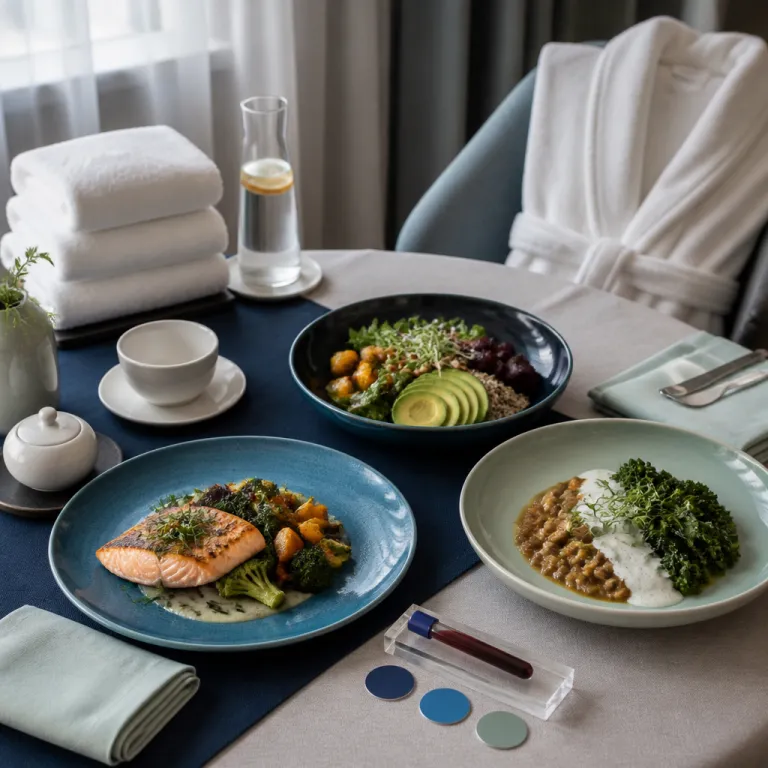
From restaurant to clinical department: when the kitchen follows your lab results
At the most serious medical spa hotels, the kitchen now behaves like a clinical department rather than a traditional restaurant. In these properties, a medically supervised nutrition plan with personalised meals is prescribed only after physicians have reviewed your blood panel, metabolic markers and sometimes your gut microbiome. The result is a wellness experience where every plate is part of a structured medical wellness programme, not an à la carte indulgence.
Medical spa teams start by treating food as a primary treatment, not a side note to massages or cosmetic procedures. A typical wellness retreat begins with a full medical intake, comprehensive blood analysis and sometimes stool testing, which then shapes a tailored eating strategy for the following days of your stay. This clinically driven approach is adjusted throughout the retreat as new health data and observable responses emerge.
Properties such as Mayrlife Altaussee in Austria, Melea – The Health Concept in Hungary and Cal-a-Vie Health Spa in California illustrate how far this integration can go. At these spa resorts, chefs sit in the same briefings as physicians, and the wellness clinic or medical team defines macronutrient ratios, fasting windows and detox phases for each guest. For travellers comparing spa retreats, this is the key distinction between a pleasant spa break and a true medical wellness retreat with measurable health outcomes.
The rise of the chef nutritionist in medical spa hotels
In leading wellness resort properties, the executive chef now works as a chef nutritionist embedded in the medical équipe. Their role is to translate a clinically designed nutrition programme with personalised meals into dishes that still feel like an amazing hotel experience rather than a hospital tray. The best medical spa hotels treat this culinary role as a clinical post, not a lifestyle accessory.
At destinations such as Chenot Palace Weggis on Lake Lucerne or SHA Wellness Clinic on Spain’s Mediterranean coast, the kitchen is briefed daily by doctors and nutritionists. Blood sugar variability, inflammatory markers and weight loss targets are discussed alongside guest preferences, then converted into tailored wellness programme menus for the coming days. This is where the tension between hospitality and prescription is negotiated, especially for solo travellers who value autonomy during a long term stay.
In Switzerland, Clinique La Prairie and Grand Resort Bad Ragaz show two different models of integrating chef nutritionists into a medical wellness framework. Clinique La Prairie leans into longevity medicine, using food as a tool in cellular and detox programmes, while Bad Ragaz balances thermal spa retreat pleasures with structured health programme pathways. Across these resorts, the chef nutritionist ensures that each plate respects the medical protocol while still feeling like the best version of a full board palace stay.
What personalised nutrition really means when your blood panel writes the menu
Personalised nutrition at a serious medical spa is not a vague promise about healthy options. It is a medically designed eating plan with individualised meals built from your blood panel, body composition data and sometimes genetic and microbiome analyses. The medical team uses this data to define protein targets, carbohydrate timing, fat quality and micronutrient priorities for each phase of your stay.
Medical spa physicians first identify metabolic goals such as weight loss, insulin sensitivity, lipid optimisation or recovery from chronic inflammation. They then prescribe a wellness programme or night programme that might include therapeutic fasting days, low glycaemic meal sequences or elimination diets to test suspected intolerances. Chefs in the wellness clinic kitchen adjust textures, flavours and plating so that these clinical decisions still feel like a refined hotel experience rather than a restrictive regime.
Guests at places like Mayrlife Altaussee or Melea – The Health Concept often arrive with digestive issues, fatigue or long term lifestyle concerns. One guest at Mayrlife, for example, began with a three day light detox phase of broths and easily digestible meals, followed by gradually more complex dishes as the gut stabilised and energy returned. Over a ten day stay, the team tracked weight, waist circumference and inflammatory markers; by departure, C-reactive protein had fallen by around 30% and fasting glucose had normalised, illustrating how a targeted nutrition plan can deliver measurable changes within a short retreat.
Gut microbiome testing, fasting protocols and the new clinical food rules
Gut microbiome testing has become the new starting point at many advanced wellness retreats. Instead of relying on generic dietary guidelines, some medical spa hotels use stool analysis to design a diagnostic based nutrition programme with personalised meals that support specific bacterial strains and reduce inflammation. This approach reframes the spa retreat restaurant as a microbiome lab, where each dish is a targeted intervention.
Clinics such as SHA Wellness Clinic, Chenot Palace Weggis and Chiva Som in Thailand increasingly pair microbiome data with blood panels to refine their wellness programme design. A guest might follow several days of modified fasting, then transition to fibre rich, polyphenol dense menus that encourage microbial diversity and support long term health. These spa resorts often integrate thermal circuits and hydrotherapy, which you can explore in depth through a guide to how water, heat and cold orchestrate a medical spa programme on Medical Spa Stay.
Therapeutic fasting at these properties is very different from a casual intermittent fasting trend followed at home. Under medical supervision, guests may follow water fasts, broth based fasts or carefully calibrated low calorie days embedded in a broader medical wellness program. The medical spa team monitors vital signs, adjusts treatments and ensures that the detox phase remains safe, while the hotel side maintains comfort, quiet and an atmosphere that still feels like an amazing retreat rather than a clinic ward.
Balancing prescription and pleasure: autonomy at the table during a clinical stay
For independent travellers, the biggest question is how much freedom remains when meals are prescribed. A rigorous, data driven nutrition plan with personalised meals can feel intimidating if you are used to choosing freely from a hotel menu. The best wellness resort properties manage this by offering structured choice within the boundaries of the medical programme.
At Grand Resort Bad Ragaz or Palace Weggis hosting Chenot Palace programmes, you might be given two or three clinically approved options at each meal. All respect your blood panel data, detox phase and weight loss targets, yet they differ in flavour profile, texture or cultural influence. This allows the stay to feel like a genuine hotel experience, with the small rituals of choosing your lunch or dinner preserved even during strict spa retreats.
Some guests negotiate specific flex points with their physician, such as one less structured meal after several highly controlled days. Others opt for full board adherence, trusting the medical wellness équipe to drive results during a short retreat. Either way, the most sophisticated spa resorts communicate clearly about what is non negotiable in the programme and where hospitality can soften the clinical edges, ensuring that the personalised nutrition strategy supports both health and psychological comfort.
How to choose a medical spa hotel for clinically driven nutrition
Choosing the right property starts with understanding how deeply the clinic and kitchen are integrated. A credible, lab informed nutrition programme with personalised meals will always begin with diagnostics such as blood tests, body composition scans and sometimes microbiome analysis. If a hotel markets a wellness retreat but cannot explain its medical assessment process, you are looking at spa marketing rather than medical wellness.
Look for destinations where medical, nutrition and culinary teams work as a single unité, as seen at Mayrlife Altaussee, Melea – The Health Concept and Cal-a-Vie Health Spa. These properties use advanced diagnostic equipment, specialised dietary software and professional culinary teams to translate data into daily menus. Their programmes often run over several days, with regular health monitoring and adjustments that make the stay feel like a coherent wellness programme rather than a collection of isolated treatments.
Before booking, ask whether the resort offers long term follow up, especially if your goals include longevity, chronic condition management or sustained weight loss. Clarify whether you will be on a strict night programme, a more flexible full board plan or a phased detox retreat with increasing autonomy. As one expert summary from the International Journal of Obesity notes, a large European personalised nutrition trial involving roughly 1,600 adults across seven countries found that tailored dietary advice led to significantly greater improvements in diet quality and weight related markers than one size fits all guidance (Food4Me study, Celis-Morales et al., 2017) — a reminder that the right medical spa, wellness resort or wellness clinic can turn each stay into a precise intervention rather than a vague promise.
Key figures shaping personalised nutrition at medical spa hotels
- Recent consumer research in Europe and North America suggests that a majority of adults are interested in some form of personalised nutrition, reflecting a strong demand for medically guided meal plans that go beyond generic healthy menus (for example, surveys summarised by the European Food Information Council).
- Industry reports from spa and wellness associations indicate that visits to medical spa and wellness retreat properties have risen steadily over the past decade, showing how travellers now prioritise health focused stays over purely leisure trips.
- Many leading spa resorts now operate year round medical wellness programmes, with structured timelines that start with initial consultations and blood tests, followed by several days of implementation and monitoring during the stay.
- Guests who engage in clinically supervised detox and weight loss programmes at destinations such as Mayrlife Altaussee, SHA Wellness Clinic or Chenot Palace Weggis typically commit to multi day retreats, which allows enough time for diagnostic based adjustments to their personalised meals.
FAQ: medical spa hotels and blood panel based meal prescriptions
What is a medical spa and how is it different from a regular spa resort ?
A medical spa is a facility combining medical treatments with spa services for health and wellness, usually under physician supervision. Unlike a standard spa resort, it offers diagnostics such as blood tests and structured wellness programmes rather than only relaxation treatments. This clinical layer is what enables a medical spa hotel to prescribe nutrition based on your health data.
How do blood tests influence meal plans at these medical spa hotels ?
Blood tests identify individual nutritional needs, intolerances and metabolic patterns that generic diets miss. At serious wellness clinics and wellness resorts, doctors use these results to set macronutrient ratios, fasting windows and detox phases, which the kitchen then translates into daily menus. This is how a spa retreat becomes a targeted medical wellness programme rather than a simple healthy eating week.
Are personalised meal plans at medical spa hotels actually effective ?
When they are based on diagnostics and monitored by clinicians, these personalised programmes can improve markers such as blood sugar, lipids, inflammation and weight. In the Food4Me study, for instance, participants receiving tailored advice showed greater reductions in body weight and waist circumference than those given standard guidelines, supporting the potential of this model when applied rigorously (Celis-Morales et al., 2017). Their effectiveness in a spa setting still depends on the rigour of the medical team, the quality of the wellness programme design and your commitment to follow up after the stay. Properties like Mayrlife Altaussee, SHA Wellness Clinic and Clinique La Prairie are known for evidence based approaches rather than wellness theatre.
What should I do before booking a medical spa retreat focused on nutrition ?
Research spa facilities and services carefully, paying attention to whether they offer genuine medical assessments and a clear nutrition programme structure. Consult with your usual healthcare provider before booking, especially if you have chronic conditions or take medication. Prepare for dietary adjustments during the stay, as a clinically supervised nutrition plan may include fasting days, elimination diets or strict full board plans.
Can I still enjoy my stay if meals are strictly prescribed by the programme ?
Yes, provided you choose a property that balances clinical precision with thoughtful hospitality. Many spa resorts offer limited but appealing choices within your prescribed framework, so you retain some autonomy at the table while respecting the medical goals. The most refined wellness retreats make the experience feel like staying in a discreet palace or resort, even when every plate is written by your blood panel.