Thermal herbal rituals for refined medical spa travellers
For travellers booking a luxury medical spa, a thoughtfully curated poultice massage can become the quiet centrepiece of the entire stay. This therapeutic massage uses heated herbal poultice compresses that glide across the body to melt stress and ease pain. Within premium wellness hotels, massage therapists integrate this ritual into wider treatment programs that address body and mind with clinical precision and sensory elegance.
In leading medical spas, the therapist begins by assessing muscle tension, skin sensitivity, and any existing aches pains that might influence the session. They then prepare thai herbal poultice bundles filled with carefully selected herbs such as ginger lemongrass, kaffir lime, and other plants known in thai medicine for their soothing properties herbs. When the poultice meets the skin, the controlled heat herbs penetrate deep into muscles, encouraging blood circulation and gentle lymphatic drainage.
Clients often report that the first contact of the warm herbal poultice feels both refreshing and grounding. As the therapist alternates between poultice massage and hands on massage techniques, the body gradually releases stored muscle tension and emotional stress. This approach offers a wide range benefits that extend beyond simple relaxation, especially when combined with aromatherapy massage oils tailored to individual needs.
Within a medical spa environment, the massage thai influence is balanced with clinical oversight, ensuring the treatment supports existing rehabilitation or pain management plans. People with sore muscles from long flights, sports activities, or desk bound work particularly appreciate the massage benefits of this ritual. For travellers comparing premium booking options, understanding how this treatment fits into a broader healing strategy can help them select the right property and therapist.
From thai medicine to modern medical spa protocols
The roots of poultice massage lie in traditional thai medicine, where heated compresses were used to ease muscle pain after physical labour or martial arts training. Today, luxury medical spas reinterpret these thai herbal practices with modern hygiene standards, precise temperature control, and evidence informed treatment planning. This evolution allows people to enjoy authentic massage thai influences while benefiting from contemporary clinical safeguards.
In a typical protocol, the therapist warms the herbal poultice to a carefully monitored level so the heat herbs relax muscles without irritating the skin. The compress is then pressed, rolled, and tapped along the body, following energy lines and areas of muscle tension identified during the consultation. Between poultice applications, the therapist may use oil based massage techniques to maintain heat, support blood flow, and enhance relaxation.
Many medical spas now combine poultice massage with aromatherapy massage to deepen the sensory experience and support emotional balance. Essential oils are selected to complement the properties herbs inside the compress, such as ginger lemongrass for invigorating circulation or kaffir lime for a more refreshing effect. This layered approach can help people who arrive with high stress levels shift into a calmer state before other clinical treatments.
Because these properties herbs are applied through both heat and gentle pressure, they can support natural healing responses in the body. Clients often notice reduced aches pains, easier movement, and a lingering sense of warmth in previously sore muscles. When integrated into multi day medical spa programs, poultice sessions are scheduled strategically to prepare the body for physiotherapy, hydrotherapy, or targeted skin treatments.
Designing a luxury stay around poultice massage benefits
For travellers using a premium booking website for medical spas, it is worth examining how each property structures its massage offerings. A refined itinerary might include an initial poultice massage to release muscle tension, followed by clinical consultations and lighter treatments on subsequent days. This sequencing allows the body to respond fully to the heat herbs and herbal poultice before more intensive therapies begin.
When reviewing hotel descriptions, look for details about thai herbal compresses, the specific herbs used, and whether massage thai traditions are integrated with modern diagnostics. Properties that highlight ginger lemongrass, kaffir lime, and other circulation enhancing herbs usually emphasise blood circulation and lymphatic drainage as key outcomes. These elements are particularly valuable for people dealing with sore muscles, swelling after travel, or chronic aches pains.
Some medical spas also pair poultice massage with targeted aromatherapy massage to support sleep, digestion, or mood regulation. In these programs, massage benefits extend beyond the treatment room, influencing how the body and mind adapt to new time zones and travel related stress. Guests often report that a carefully timed session on arrival day helps reset their internal rhythm and prepares the skin and muscles for the rest of the stay.
To understand how a results focused approach works in practice, travellers can review specialised guidance such as how a results focused medical spa stay transforms your luxury wellness trip. This type of resource explains how treatments like poultice massage fit into broader healing strategies. By aligning expectations with the spa’s clinical philosophy, people can better appreciate the full range benefits offered by each session.
Herbs, heat and sensory detail in premium spa suites
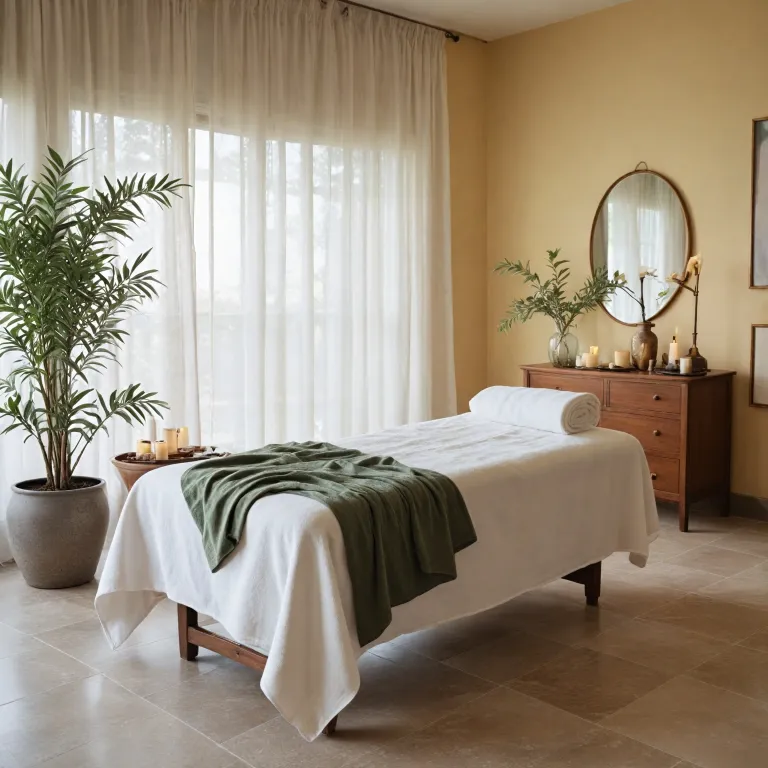
The sensory environment surrounding a poultice massage matters greatly in luxury and premium hotels. High end medical spas often design treatment suites where the aroma of thai herbal compresses, gentle lighting, and precise temperature control work together. This setting allows the body to relax more quickly, so the heat herbs and properties herbs can act effectively on muscles and skin.
Inside the poultice, therapists may blend ginger lemongrass, kaffir lime, and other herbs chosen for their traditional thai medicine significance. As the compress is applied along the body, these herbs release essential oils that mingle with the carrier oil used for massage techniques. The result is a layered aromatherapy massage effect that supports both physical relaxation and emotional balance.
For people with sensitive skin, medical spas usually adjust the contact time and pressure of the herbal poultice. They may also choose milder herbs or add a protective layer of oil to prevent irritation while still delivering massage benefits. This careful calibration is especially important for guests undergoing dermatological treatments, where the skin barrier needs extra protection.
Travellers should feel comfortable asking how the spa sources its herbs and prepares each poultice massage. Transparent explanations about hygiene, ingredient quality, and temperature control reinforce trust and highlight the spa’s commitment to safe healing. When these details align with the overall standard of the hotel, the experience feels coherent, refined, and genuinely therapeutic for body and mind.
Clinical considerations, safety and personalised treatment planning
Within a medical spa, poultice massage is never treated as a simple indulgence but as a structured treatment. Before applying any herbal poultice, therapists review medical histories, current medications, and any existing pain conditions. This assessment helps them adapt massage techniques, select appropriate herbs, and decide how much heat the body can safely tolerate.
People with cardiovascular issues, neuropathy, or highly reactive skin may require lower temperatures or shorter contact times. In such cases, the therapist might focus more on gentle oil based massage thai inspired strokes, using the poultice only on less sensitive areas. This approach still encourages blood flow and lymphatic drainage while reducing the risk of irritation or discomfort.
Communication remains essential throughout the session, especially when dealing with sore muscles or chronic aches pains. Clients are encouraged to report any excessive heat, tingling, or unusual sensations on the skin so the therapist can adjust the herbal poultice immediately. This responsive style of care reflects the medical spa’s broader commitment to safety, efficacy, and measurable massage benefits.
As part of post treatment guidance, therapists often recommend hydration, gentle stretching, and rest to support ongoing healing. They may also suggest how frequently people should schedule poultice massage sessions to maintain reduced muscle tension and improved blood circulation. "Possible skin irritation; consult with a therapist before treatment." This clear advice underscores why professional oversight is crucial, particularly in a clinical hotel environment where guests may be combining several treatments.
How to choose and book the right poultice massage stay
When using a luxury and premium booking website for medical spas, travellers should look beyond generic spa labels. Focus on properties that clearly describe their poultice massage protocols, the thai herbal ingredients used, and how these sessions integrate with medical consultations. This level of detail signals that the hotel treats massage as a structured treatment rather than a simple add on.
Examine whether the spa team includes massage therapists experienced in thai medicine principles and modern anatomy. Their expertise ensures that the heat herbs and properties herbs are applied strategically to support blood flow, reduce muscle tension, and ease sore muscles. Reading about specific herbs such as ginger lemongrass and kaffir lime can also indicate a thoughtful approach to aromatherapy massage and skin compatibility.
Booking platforms that highlight session length, average 75 minutes, and clear objectives make it easier to plan a stay. People can align poultice massage appointments with arrival times, fitness activities, or medical check ups to maximise massage benefits. For example, scheduling a herbal poultice session after a long flight can help the body and mind adjust more comfortably to a new environment.
Finally, consider how the overall spa philosophy matches your personal goals for healing and relaxation. A property that emphasises evidence based treatment, respectful use of thai herbal traditions, and personalised care will usually deliver a richer range benefits. In such settings, each poultice massage becomes more than a pleasant ritual ; it becomes a precise, heat based intervention that supports long term wellbeing for travellers who value both luxury and clinical rigour.
Key statistics about poultice massage in medical spas
- Average poultice massage session duration in medical spas is around 75 minutes, allowing enough time for heat and herbs to act on muscles.
- Traditional thai medicine based poultices typically combine about five main types of herbs, often complemented by additional local plants.
- Many premium spas now offer poultice massage year round, integrating it into both short stays and extended medical wellness programs.
Questions people also ask about poultice massage
What is a poultice massage?
A poultice massage is a therapeutic massage using heated herbal compresses that are applied and rolled over the body. The combination of heat and herbs helps relieve muscle tension, ease pain, and promote deep relaxation. In medical spas, this technique is often integrated with other treatments to support circulation and overall healing.
What are the benefits of poultice massage?
The main benefits of poultice massage include reduced muscle pain, improved blood circulation, and a profound sense of relaxation. The heat and herbal ingredients can ease sore muscles, support lymphatic drainage, and calm stress related tension in the body. Many guests also report softer skin and a lingering feeling of warmth and comfort after the session.
Are there any side effects?
Possible side effects of poultice massage include temporary skin irritation, redness, or sensitivity to heat. These reactions are usually mild and can be minimised when therapists adjust temperature, pressure, and herbs to suit individual needs. Guests with known allergies or medical conditions should always consult with a therapist before treatment and share relevant health information.
Trustful expert sources
- International Spa Association (ISPA)
- National Certification Board for Therapeutic Massage & Bodywork (NCBTMB)
- European Spa Association