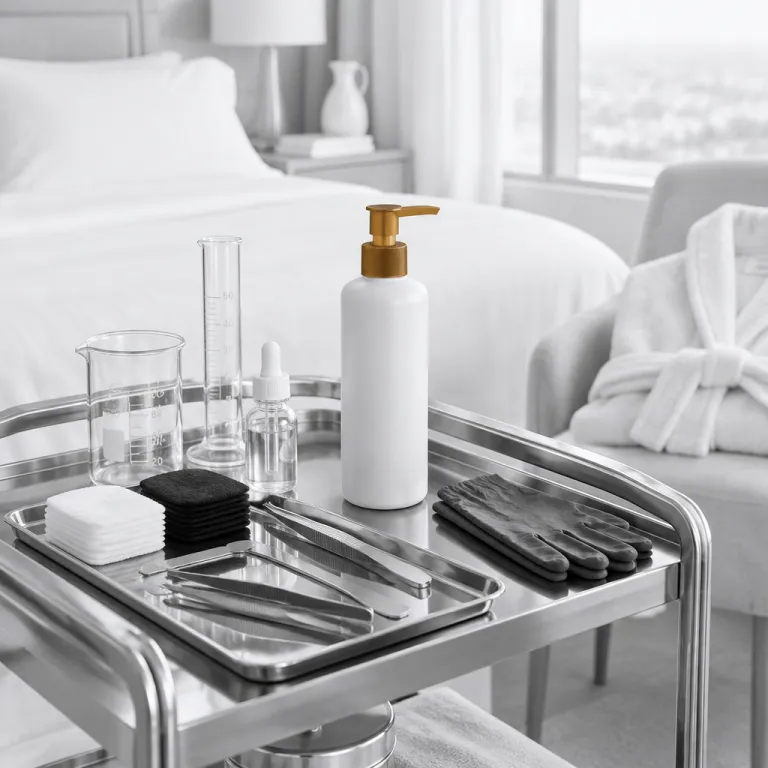
Why luxury medical spa hotels care about a skin script glycolic cleanser
In high end medical spa hotels, every cleanser on the vanity is chosen with clinical precision. Guests arrive expecting that each glycolic based face wash reflects the same medical rigor as their aesthetic treatments, and that expectation shapes the entire spa philosophy. A carefully selected AHA cleanser becomes part of a seamless wellness narrative that follows you from treatment room to suite.
Dermatology led spas increasingly prefer a glycolic cleanser because glycolic acid belongs to the alpha hydroxy family, which gently refines the skin surface without excessive downtime. When a product combines this exfoliating acid with soothing water based humectants, witch hazel, and barrier supporting ingredients, it supports both pre treatment cleansing and post procedure maintenance during your stay. For travelers managing acne or dry patches, having a reliable resurfacing cleanser in room reduces the need to pack multiple products and simplifies the daily ritual.
From a hospitality perspective, the texture and fragrance of any cleanser must feel luxurious while still suitable for every common skin type. A well formulated glycolic face wash offers a silky texture that rinses clean with minimal residue, which matters when guests use it several times a week between facials. Spa directors study the full ingredient script, checking details such as surfactant system, alpha hydroxy concentration, and supporting acids like malic acid or tartaric acid, to ensure the product aligns with medical protocols and published dermatology guidance.
How glycolic based cleansers prepare your skin for innovative spa treatments
Before advanced facials or laser sessions, therapists often begin with a glycolic cleanser to create an even canvas. This type of exfoliating wash uses glycolic acid and other hydroxy acid components to loosen dead cells on the skin surface, which helps active serums penetrate more effectively. When used in gentle circular motions with a small amount of product and rinsed after about 30 to 60 seconds, it offers a quick yet thorough preparation step.
Many medical spa hotels now pair an AHA cleanser with oxygen based facials, especially those similar to the Intraceuticals oxygen facial concept. On a luxury booking platform, you may see packages where a glycolic cleanser is listed as the pre treatment wash for an oxygen facial protocol, ensuring that the skin type of each guest is respected while still achieving deep cleansing. The combination of alpha hydroxy exfoliation and oxygen infusion can soften fine lines and brighten uneven skin tone during a short stay.
For travelers concerned about acne scars or regular breakouts, therapists often adjust how many times a week they recommend using this kind of resurfacing cleanser. A balanced routine might include this acid alpha blend on alternate evenings, followed by hydrating serums to counter any dry sensation. Because the product usually contains witch hazel and carefully measured soothing agents, it can reduce excess oil without stripping the skin, which is crucial when you are moving between flights, saunas, and treatment rooms in a single day.
Targeting fine lines, acne, and uneven tone during a short spa stay
Guests booking a three or four day medical spa escape often arrive with specific goals, such as softening fine lines or calming stubborn acne. A professionally chosen glycolic cleanser becomes a strategic tool, allowing therapists to extend treatment benefits beyond the facial cabin and into your private bathroom. Used correctly, this exfoliating wash supports visible improvements even within a limited number of days.
Because glycolic acid is a small molecule alpha hydroxy acid, it penetrates quickly and helps fade the look of acne scars and irregular skin tone. When combined with complementary ingredients such as malic acid, tartaric acid, and sometimes brightening agents like alpha arbutin, the product can address multiple concerns at the skin surface simultaneously. For guests undergoing injectables such as those discussed in many age management programs, a gentle AHA cleanser keeps the surrounding skin clear without disturbing sensitive areas.
Therapists usually recommend using a glycolic face wash a few times a week rather than at every wash, especially if your skin type tends toward dry or reactive. On other days, they may suggest a milder cleanser with more water and less acid, ensuring that the oil barrier remains intact while still benefiting from regular alpha hydroxy renewal. This tailored rhythm allows travelers to maintain results after check out, since they can continue the same pattern at home with the full retail product purchased directly from the spa.
Evaluating product details, price, and ingredients on a booking platform
When browsing a luxury medical spa booking website, you increasingly see detailed product descriptions alongside treatment menus, including information about any glycolic cleanser used in protocols. This transparency around cleanser ingredients, glycolic acid concentration, and supporting components such as witch hazel or hydrating complexes helps guests make informed choices before committing to a stay. Clear details about price and usage frequency also allow travelers to compare packages that include a full size product versus those that offer only in room amenities.
Serious medical spa hotels now publish the complete ingredient script for their hero exfoliating cleanser, listing alpha hydroxy acids, malic acid, tartaric acid, and any alpha arbutin or hydroxy acid complexes. Guests with acne or very dry skin can then assess whether the texture, oil control claims, and acid alpha levels match their dermatologist’s advice. This level of disclosure builds trust, especially for travelers who have experienced irritation from poorly labeled products in the past.
Price positioning also matters, because a premium glycolic cleanser is often sold as part of a curated clinical skincare set that you can continue using after your trip. Some properties include a travel size cleanser in the room rate, while others offer an upgrade where you receive the full product as part of a multi day transformation program. For frequent spa travelers, this clarity on price and product value becomes as important as room category or pool access when choosing between several medical spa hotels.
Designing an in room ritual with a glycolic cleanser during your stay
Thoughtful medical spa hotels design in room rituals that extend the benefits of clinical treatments, often starting with a glycolic cleanser placed beside the vanity. After a long day of hydrotherapy circuits or body contouring sessions, guests can perform a quick yet indulgent cleanse using a small amount of product and gentle circular motions. This simple step removes oil, sunscreen, and city pollution while supporting the skin surface renewal triggered in the treatment rooms.
The best properties provide clear instructions on how many times a week to use the glycolic cleanser, especially for those with sensitive or dry skin types. A typical guideline might suggest alternating evenings, followed by a hydrating serum rich in water and barrier supporting ingredients, so that glycolic acid and other hydroxy acid components can work without causing tightness. Some hotels even differentiate amenities by room category, offering a more advanced AHA formula with added alpha arbutin or refined malic acid and tartaric acid complexes in their top suites.
For guests concerned about acne, fine lines, or uneven skin tone, this structured in room routine turns a standard cleanser into a targeted treatment. When combined with educational materials about alpha hydroxy acids, witch hazel benefits, and the role of balanced electrolytes in maintaining hydration, travelers leave with a deeper understanding of their own skin. They also gain confidence to continue using the same exfoliating cleanser at home, preserving the results of their medical spa stay long after check out.
From microbiome testing to glycolic cleansers : the future of spa personalization
Luxury medical spa hotels are moving toward highly personalized skincare, where a glycolic cleanser is chosen based on data rather than trend. Some properties now integrate gut and microbiome analysis into their wellness programs, using insights similar to those described in advanced microbiome testing concepts to guide topical product selection. In this context, an AHA cleanser becomes one element in a broader strategy that links internal health with external skin quality.
As diagnostics evolve, therapists can match the concentration of glycolic acid, the blend of alpha hydroxy and hydroxy acid components, and the presence of soothing agents like witch hazel to the precise needs of each skin type. Guests with a history of acne scars may receive a formula enriched with malic acid, tartaric acid, and alpha arbutin, while those with dry or reactive skin might use a gentler cleanser with more water and less acid alpha content. Over several times a week, this tailored approach refines the skin surface, balances oil production, and softens fine lines without compromising comfort.
For travelers comparing medical spa hotels on a booking platform, the level of personalization around something as simple as a cleanser can signal the overall quality of care. When a property explains how its chosen exfoliating cleanser supports barrier health, clarifies the role of hydration balance, and provides full ingredient details and price transparency, it demonstrates a commitment to both safety and results. This alignment between clinical science and everyday rituals is reshaping expectations of what a luxury medical spa stay should offer.
Key statistics on medical spa travel and clinical skincare
- The global medical spa market was valued at approximately 16.4 billion US dollars in 2022, with a projected compound annual growth rate of around 15% from 2023 to 2030, according to Grand View Research ("Medical Spa Market Size, Share & Trends Analysis Report," Grand View Research, 2023).
- Industry surveys from the International Spa Association report that more than half of spa goers now prioritize evidence based skincare products, including alpha hydroxy acid cleansers, when choosing a destination, although exact percentages vary by survey year and region.
- Dermatology literature indicates that glycolic acid concentrations between about 5% and 10% in cleansers, formulated at a pH in the range of roughly 3.5 to 4.0, can improve skin texture and fine lines with regular use over several weeks while maintaining a favorable safety profile for most skin types (for example, see Ditre et al., Journal of the American Academy of Dermatology, 1996).
- Travel behavior studies consistently show that wellness focused trips are growing faster than general leisure travel, with a significant share of guests booking medical spa hotels specifically for integrated skincare and aesthetic programs, as summarized in reports from the Global Wellness Institute and similar organizations.
FAQ about glycolic cleansers in luxury medical spa hotels
How often should I use a glycolic cleanser during a short spa stay ?
Most medical spa therapists recommend using a glycolic cleanser a few times a week rather than at every wash, especially if you are new to alpha hydroxy acids. During a three or four day stay, that usually means one or two evenings, followed by a hydrating routine. Your therapist will adjust the schedule based on your skin type, sensitivity, and any concurrent treatments.
Is a skin script glycolic cleanser suitable for sensitive skin ?
A well formulated glycolic cleanser can be suitable for some sensitive skin types, but the concentration of glycolic acid, the pH of the formula, and supporting ingredients such as witch hazel and humectants are crucial. Medical spa professionals often start with shorter contact times of about 20 to 30 seconds and fewer applications per week to test tolerance. If you experience stinging, redness, or persistent dryness, they may switch you to a gentler cleanser or reduce usage.
Can a glycolic cleanser help with acne and acne scars ?
Glycolic acid and other alpha hydroxy acids in a glycolic cleanser can help reduce clogged pores and improve the appearance of acne scars over time. By exfoliating the skin surface, these products encourage more even texture and tone, especially when combined with ingredients like malic acid, tartaric acid, or alpha arbutin. In a medical spa setting, therapists often pair the cleanser with targeted treatments such as peels or light based therapies for more pronounced results.
What should I look for in the ingredient list of a spa provided cleanser ?
When reviewing a spa provided cleanser, check the full ingredient script for glycolic acid concentration, the presence of other hydroxy acid components, and soothing agents such as witch hazel or hydrating water based humectants. Avoid formulas with excessive fragrance if your skin is reactive, and ask about the pH, since this affects how strongly the acid alpha components work. Price should reflect both the quality of ingredients and the clinical testing behind the product, including any data the spa can share from manufacturer trials or peer reviewed studies.
Do I need to change my home routine when using a spa glycolic cleanser ?
During your stay, your therapist will usually adjust your routine so that other exfoliating products are reduced while you use the spa’s glycolic cleanser. At home, you can often continue with the same cleanser a few times a week, but you should avoid layering multiple strong acids on the same day. Consistent sunscreen use becomes essential, because alpha hydroxy acids like glycolic acid increase sun sensitivity even when the skin feels comfortable.
References
- American Academy of Dermatology Association. Guidance on alpha hydroxy acid use in cosmetic skincare.
- International Spa Association. Consumer and industry research on spa product preferences.
- Grand View Research. Medical Spa Market Size, Share & Trends Analysis Report. 2023.
- Ditre, C.M., et al. "Improvement of photodamaged skin with alpha-hydroxy acid (AHA) containing cosmetic formulations." Journal of the American Academy of Dermatology. 1996;34(2):187–195.